March 14, 2026
10 Best Islands in Europe for Smart Travelers
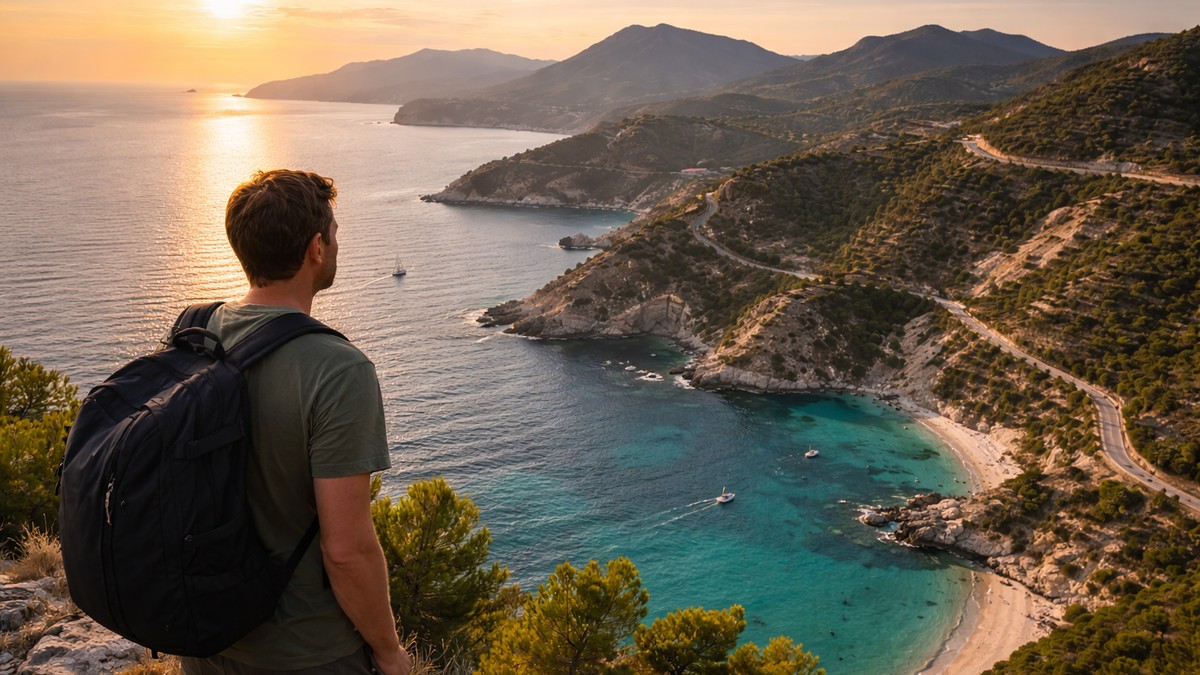
The secret behind the 10 Best Islands in Europe for Smart Travelers is not choosing the most famous island.
It is choosing the right combination of islands.
Many travelers chase a single postcard destination. Santorini. Ibiza. Capri.
Smart travelers think differently.
They treat island travel as a portfolio. One island for scenery. Another for culture. Another for food.
Europe is uniquely suited for this strategy. The continent contains more than 50000 islands according to the European Environment Agency, ranging from Mediterranean resorts to remote North Atlantic landscapes.
For travel agencies and travel planners the challenge is not finding good islands.
It is selecting the islands that deliver the most memorable experiences.
Mediterranean Islands That Still Deliver
Santorini Greece
Few places look as dramatic as Santorini.
White villages cascade down volcanic cliffs while the Aegean Sea stretches below.
The island was formed after a massive volcanic eruption around 1600 BC according to geological studies estimate.
What still makes Santorini remarkable is the landscape itself.
Top experiences include
• Sunset views from Oia
• Boat trips around the caldera
• Volcanic beaches
• Wine tastings overlooking the sea
Example
A boutique travel agency designed a three night Santorini stay costing about 450 dollars per night for a cliffside hotel estimate.
Guests ranked the sunset sailing cruise as the highlight.
Even in a crowded destination, the natural setting still wins.
Mallorca Spain
Mallorca is often underestimated.
Yes, it is popular. But it is also incredibly diverse.
Mountains, vineyards, historic villages, and beaches all sit within a compact island.
Palma airport handled more than 31 million passengers in 2023 according to Spain’s AENA airport authority, making it one of Europe’s busiest leisure airports.
Yet large parts of Mallorca remain peaceful.
Smart travelers focus on
• Serra de Tramuntana mountain villages
• Palma’s historic cathedral district
• quiet northern beaches
• cycling routes used by professional teams
Sardinia Italy
Sardinia’s beaches rival the Caribbean.
The Costa Smeralda region attracts luxury travelers but the island’s real appeal lies in its untouched coastline.
Granite cliffs and turquoise coves dominate the landscape.
Example
A travel advisor organized a five night Sardinia itinerary averaging 3600 dollars including boat excursions estimate.
Clients spent most of their time exploring remote beaches rather than resort areas.
The result felt far more authentic.
Hvar Croatia
Hvar combines beauty with energy.
Lavender fields cover the hills while historic harbor towns line the Adriatic coastline.
The island is famous for nightlife but it also offers quiet villages and vineyard landscapes.
Smart travelers explore beyond the harbor towns.
Cultural Powerhouse Islands
Sicily Italy
Sicily is technically the largest island in the Mediterranean.
It is also one of Europe’s richest cultural destinations.
The island holds Greek temples, Norman cathedrals, Roman ruins, and Baroque towns.
Mount Etna dominates the landscape and remains one of Europe’s most active volcanoes.
Example
A cultural travel specialist designed a seven day Sicily itinerary costing about 2600 dollars including guided archaeological tours estimate.
Clients described the volcano tour on Etna as unforgettable.
Corsica France
Corsica blends French and Italian influences.
Mountain peaks dominate the interior while beaches line the coastline.
Nearly 40 percent of the island is protected natural parkland according to regional tourism data estimate.
Travel here centers around
• coastal drives
• hiking trails
• mountain villages
• historic ports
Corsica rewards travelers who enjoy exploration rather than resort travel.
Northern and Atlantic Escapes
Isle of Skye Scotland
The Isle of Skye offers some of Europe’s most dramatic scenery.
Cliffs plunge into the sea while waterfalls cascade through green valleys.
The island receives around 650000 visitors annually according to Scottish tourism estimates.
Yet outside peak summer it still feels remote.
Highlights include
• Fairy Pools waterfalls
• Quiraing rock formations
• Old Man of Storr viewpoint
Madeira Portugal
Madeira sits far into the Atlantic but remains surprisingly accessible.
The island combines cliffs, botanical gardens, and volcanic landscapes.
Average annual temperature stays around 19 degrees Celsius according to Portuguese climate data estimate, making it a year round destination.
Popular experiences include
• hiking the levada irrigation trails
• coastal viewpoints
• botanical gardens
Azores Portugal
The Azores remain one of Europe’s most underrated island groups.
Nine volcanic islands rise from the Atlantic Ocean.
Activities revolve around nature
• crater lakes
• whale watching
• thermal hot springs
• hiking routes
Tourism numbers remain far lower than Mediterranean islands which makes the experience feel uncrowded.
Gotland Sweden
Gotland is Scandinavia’s summer island.
The medieval town of Visby sits inside ancient stone walls and is recognized as a UNESCO World Heritage Site.
During summer Swedish travelers arrive for
• cycling routes
• coastal beaches
• historic architecture
• seafood restaurants
The atmosphere is relaxed and distinctly Nordic.
Comparing Europe’s Island Personalities
| Island Type | Example Islands | Best For |
|---|---|---|
| Scenic Mediterranean | Santorini Sardinia Hvar | Beaches and sailing |
| Cultural islands | Sicily Corsica | History and architecture |
| Northern landscapes | Skye Gotland | Nature and exploration |
| Atlantic adventure | Madeira Azores | Hiking and scenery |
The smartest island trips combine multiple island styles rather than focusing on one.
What This Means for Travel Agencies
European island travel is extremely attractive to modern travelers.
But agencies can add far more value than simply booking hotels.
Build island combinations
Instead of recommending one island create a two island itinerary.
Example
Three nights Santorini paired with four nights Sicily.
Travelers experience both scenery and culture.
Encourage shoulder season travel
Peak summer crowds reduce the island experience.
Late spring and early autumn often offer the best balance of weather and pricing.
Monitor hotel rate fluctuations
Island hotels change prices frequently due to seasonal demand.
Tools such as Rebookify help travel agencies track hotel price drops after booking and rebook rooms at lower rates, improving margins without changing the traveler’s experience.
Focus on experiences not just locations
Island trips sell best when built around memorable activities.
Examples include
• sailing excursions
• volcano hikes
• food tours
• vineyard visits
Experiences create the stories travelers share.
Quick takeaways
• Europe offers thousands of islands with very different personalities
• Mediterranean islands dominate but Atlantic and Nordic islands are rising in popularity
• Combining two islands creates stronger itineraries
• Shoulder seasons deliver better value and fewer crowds
• Experiences such as sailing or hiking elevate island travel
Common mistakes
• Choosing islands based only on social media popularity
• Planning island travel only during peak summer
• Ignoring northern European island destinations
• Staying in one resort area for the entire trip
• Underestimating transportation between islands
Conclusion
The appeal of the 10 Best Islands in Europe for Smart Travelers lies in their diversity.
From the volcanic cliffs of Santorini to the windswept landscapes of Skye, Europe’s islands offer dramatically different travel experiences.
The smartest strategy is not choosing the most famous island.
It is building a trip that blends scenery, culture, and exploration across multiple destinations.
For travel agencies this approach creates richer itineraries and far happier clients.