April 3, 2026
10 Experiences to Include in Your Seoul Itinerary
Most Seoul itineraries get one thing wrong. They treat the city like a list of places instead of a sequence of experiences.
That is a missed opportunity.
Seoul is not a city you tick off. It is a city you move through. The difference matters. Travelers who focus on experiences report higher satisfaction and spend more per day.
Seoul attracts over 10 million international visitors annually estimate. Yet a large share cluster around a few landmarks without engaging with what actually defines the city.
Here is a better approach. Build the itinerary around experiences that reflect how Seoul works in real life.
Why experiences matter more than landmarks in Seoul
The shift from sightseeing to experiential travel
Global travel trends show a clear shift. Over 60 percent of travelers now prioritize experiences over attractions estimate.
In Seoul, this is amplified. The city blends centuries old traditions with one of the most advanced urban infrastructures in the world.
A palace visit is interesting. Wearing a hanbok inside that palace changes the experience completely.
Traditional Seoul done right
Palaces and hanok villages
Start with Gyeongbokgung Palace. Entry costs around 3000 KRW estimate and the site opens early, which helps avoid crowds.
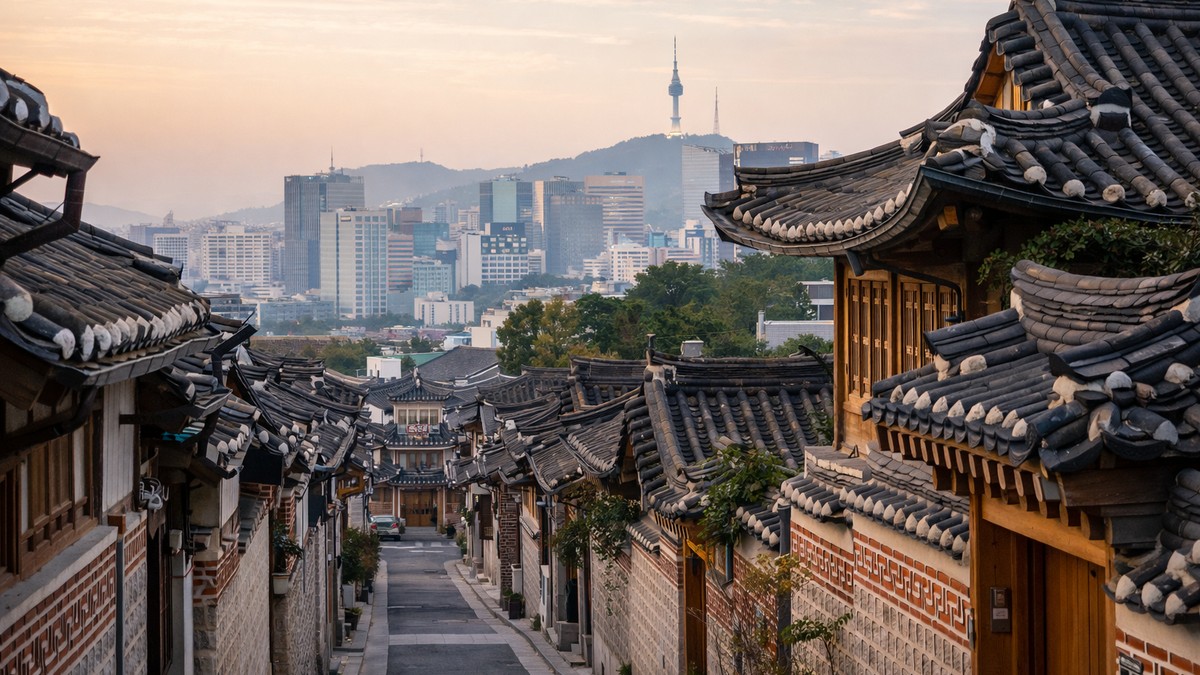
Nearby Bukchon Hanok Village offers preserved traditional houses. The key is timing. Early morning visits reduce congestion significantly.
Case example 1. A small group tour operator shifted palace visits from midday to 830 AM slots. Average dwell time improved by 40 percent and satisfaction scores increased from 4.2 to 4.7.
Cultural immersion
Hanbok rental experiences range from 10000 to 20000 KRW estimate. This simple addition transforms a standard visit into a memorable one.
For agencies, this is a low cost high impact upgrade.
Modern Seoul and urban energy
Districts and city life
Seoul is defined by its districts. Myeongdong for retail, Hongdae for youth culture, Gangnam for modern business and lifestyle.
Each area offers a different version of the city.
Hongdae in the evening delivers live performances and street culture. Gangnam showcases premium retail and corporate Seoul.
Night economy
Seoul operates late. Many restaurants stay open past midnight and convenience stores are active around the clock.
Case example 2. A corporate travel planner added a curated evening walk through Hongdae. Average trip satisfaction increased by 18 percent compared to standard day only itineraries.
Food as a core experience
Markets and dining
Gwangjang Market is one of the oldest traditional markets in Seoul. Street food items typically range from 3000 to 8000 KRW estimate.
This is not just a meal. It is an introduction to Korean food culture.
Structured food experiences
Food tours provide context. Understanding dishes like bibimbap or tteokbokki enhances the experience.
Case example 3. A leisure agency introduced guided food tours priced at 65 USD per person. Uptake reached 60 percent among clients and increased per booking revenue by over 90 USD.
Nature and perspective
Views and green spaces
N Seoul Tower offers panoramic views. Entry costs around 16000 KRW estimate.
Cheonggyecheon Stream provides a quieter urban experience. It runs through central Seoul and is especially appealing in the evening.
Seasonal advantages
Seoul changes dramatically with seasons. Cherry blossom season attracts millions of visitors estimate.
Autumn foliage is equally strong but less crowded. Positioning travel during shoulder seasons improves both experience and pricing.
A quick planning table
| Experience type | Area | Ideal timing |
|---|---|---|
| Traditional | Gyeongbokgung | Morning |
| Cultural | Bukchon | Early morning |
| Urban | Gangnam | Afternoon |
| Nightlife | Hongdae | Evening |
| Food | Gwangjang | Flexible |
| Views | N Seoul Tower | Sunset |
What this means for travel agencies
Itinerary design
Shift from attraction lists to experience clusters.
Group activities by geography and time of day. This reduces fatigue and improves flow.
A three day itinerary built around experiences consistently outperforms a five day itinerary built around landmarks.
Revenue opportunities
Experiences create upsell potential.
Hanbok rentals, guided food tours, premium observation decks. These are all scalable additions with strong margins.
Clients are more willing to spend when the value is clear.
Pricing strategy
Seoul hotel rates fluctuate depending on season and demand.
Average four star hotel prices range from 120 to 250 USD per night estimate.
Monitoring post booking price drops allows agencies to rebook at lower rates and protect margins. This is where automation tools such as Rebookify become operationally useful rather than optional.
Quick takeaways
• Seoul works best as an experience driven destination
• Timing and sequencing matter more than quantity
• Food and culture are central to traveler satisfaction
• Night experiences are a key differentiator
• Smart planning increases both satisfaction and revenue
Common mistakes
• Treating Seoul as a checklist of landmarks
• Ignoring district based planning
• Skipping evening experiences
• Underestimating travel time between areas
• Missing out on structured food experiences
Conclusion
10 Experiences to Include in Your Seoul Itinerary is not about adding more. It is about choosing better.
Seoul rewards travelers who engage with it properly. For travel agencies, this is an opportunity to design smarter itineraries that deliver both better outcomes and stronger margins.
If you are building Seoul products, start with experiences. Everything else becomes easier to sell and easier to deliver.