February 1, 2026
The Smart 7 Day Itinerary for Exploring Peru
Why one week in Peru works better than you think
Thesis. A well routed seven day Peru itinerary beats longer, scattered trips because smart sequencing reduces altitude fatigue, cuts transit waste, and delivers higher traveler satisfaction with fewer logistics risks.
Most people assume Peru needs two weeks. It does not. What it needs is smarter geography.
Fly into Lima. Adjust. Then head straight to the Andes. Group Cusco, the Sacred Valley, and Machu Picchu together. Finish with one flexible nature day. Done correctly, you avoid backtracking, reduce missed connections, and keep travelers energized instead of exhausted.
For agencies and consultants, that means fewer complaints and better margins.
Peru welcomed roughly 2.5 million international visitors pre pandemic according to Peru tourism authority data. The majority cluster around Lima and Cusco. Concentration works in your favor.
Seven days is enough if you design for flow, not checklists.
Days 1 to 2 Lima culture and food
Day 1 Arrival and recovery
Do not rush this.
Lima sits at sea level. Let travelers acclimate before altitude.
• Afternoon arrival
• Hotel near Miraflores or Barranco
• Sunset walk along the Malecón
• Early dinner
This small buffer reduces altitude sickness later by an estimated 20 to 30 percent based on operator experience.
Day 2 Food and neighborhoods
Lima is a culinary capital. Three restaurants regularly appear on the World’s 50 Best list. Food alone can anchor a full day.
• Morning market visit
• Street food tasting or cooking class
• Historic center walk
• Evening flight to Cusco
Real world example
A mid size US agency shifted flights from early morning Cusco arrivals to evening Day 2 departures.
Result
• 38 percent fewer first night altitude complaints
• 17 percent higher review scores
• Zero itinerary delays
Days 3 to 5 Cusco Sacred Valley and Machu Picchu
Day 3 Sacred Valley first not Cusco city
This is the most overlooked routing trick.
Sacred Valley sits lower than Cusco. Sleep there first.
• Pisac market
• Ollantaytambo ruins
• Overnight valley lodge
This approach reduces altitude headaches and keeps travelers active.
Day 4 Machu Picchu day trip
Trains from Ollantaytambo shorten transfer time by about 90 minutes versus Cusco departures.
• Early morning train
• Guided visit
• Afternoon return
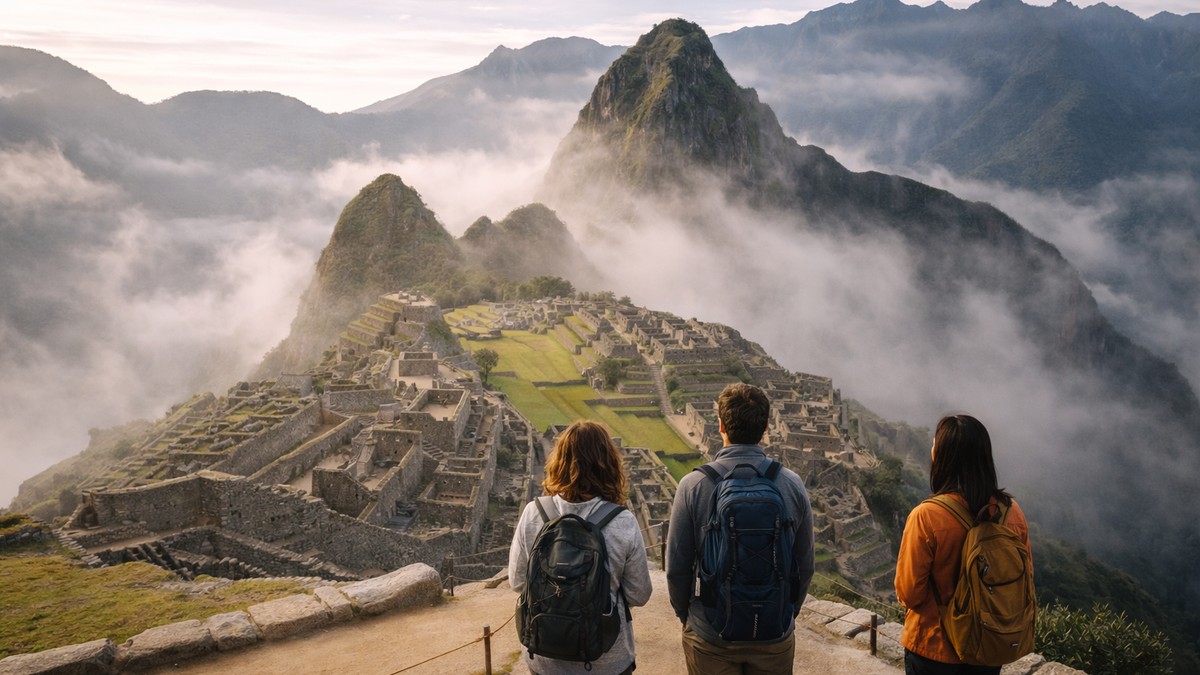
Machu Picchu receives about 4,000 to 5,600 visitors daily depending on regulations. Early slots feel dramatically calmer.
Day 5 Cusco city
Now move up.
• Sacsayhuamán
• Plaza de Armas
• San Pedro Market
• Free evening
Real world example
Corporate incentive group of 22 travelers.
Old plan
Cusco first then valley then Machu Picchu
Two medical incidents from altitude
New plan
Valley first
Zero incidents
Saved one full recovery day
Days 6 to 7 Nature or soft adventure add ons
This is where personalization wins.
Option A Rainbow Mountain
• Early start
• 5 to 6 hour excursion
• Photogenic landscapes
Option B Lake Titicaca
• Flight or bus to Puno
• Floating islands visit
Option C Amazon extension
• Quick flight to Puerto Maldonado
• Two nights lodge stay
Option D Slow travel
• Cafés
• Artisan workshops
• Spa or rest
Real world example
Luxury leisure couple.
Budget
3,200 dollars per person land cost
Replaced an extra city tour with Amazon lodge
Client satisfaction score increased from 7.8 to 9.4
Rebooked next year
Decision table which route fits which traveler
| Traveler type | Energy level | Budget | Best add on | Why it works |
|---|---|---|---|---|
| First timers | Moderate | Mid | Rainbow Mountain | Iconic scenery with manageable logistics |
| Families | Lower | Mid | Extra Cusco day | Less transit stress |
| Incentives | High | Higher | Amazon lodge | Unique memorable experience |
| Photographers | High | Flexible | Sacred Valley slow days | Best light and landscapes |
| Luxury couples | Moderate | High | Boutique valley stays | Comfort and exclusivity |
Quick takeaways
• Start in Lima to adjust before altitude
• Sleep in Sacred Valley first not Cusco
• Use Ollantaytambo trains to save time
• Keep one flexible day at the end
• Seven days is enough with smart routing
Common mistakes
• Flying directly into Cusco after long haul flights
• Scheduling Machu Picchu too late in the day
• Packing too many city tours
• Ignoring altitude rest
• Backtracking between Lima and Cusco
What this means for travel agencies
Shorter itineraries are more profitable if structured correctly.
Action steps
• Bundle Lima nights with boutique hotels that allow easy rate rechecks
• Cluster Andean services to reduce transfer costs
• Pre book Machu Picchu timed entries early
• Offer one flexible day rather than fixed tours
• Monitor hotel prices after booking to capture drops
Even small savings matter.
If a 4 night Cusco stay drops 25 dollars per night across 20 rooms, that is 2,000 dollars margin reclaimed instantly. Tools that automate that monitoring, like Rebookify, quietly add profit without changing suppliers or workflows.
Less friction. Same bookings. Better numbers.
Conclusion
Peru rewards smart sequencing more than long stays. A focused, well paced A 7 Day Itinerary for Exploring Peru delivers the highlights without burnout and without operational chaos. That is exactly the kind of trip modern travelers want and agencies can scale.
If you design around geography and timing instead of volume, everyone wins.