March 30, 2026
A Cultural Guide to Istanbul That Goes Beyond Landmarks
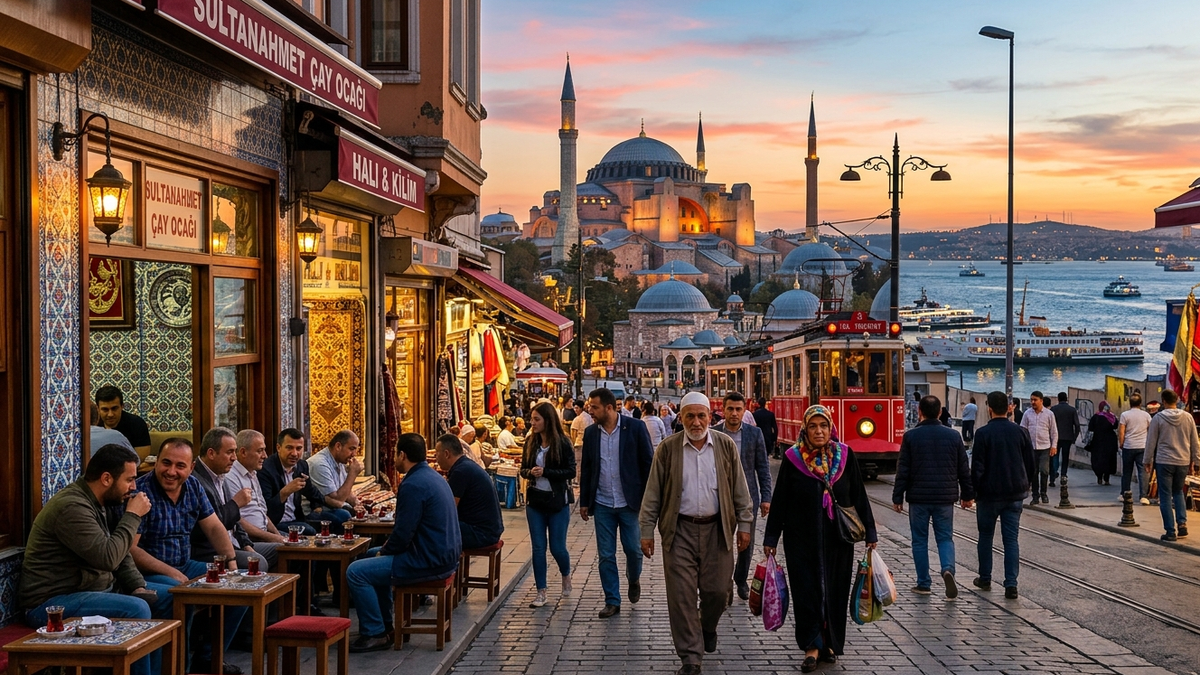
Most Istanbul itineraries fail because they treat culture as a checklist, when in reality it is a sequence of lived experiences that must be timed, layered, and contextualized to make sense.
That distinction matters. For travelers, it determines whether Istanbul feels chaotic or captivating. For travel agencies, it determines whether a trip feels commoditized or premium.
Why most Istanbul itineraries miss the point
The landmark overload problem
The standard itinerary is predictable. Hagia Sophia, Blue Mosque, Topkapi Palace, Grand Bazaar. All in one or two days.
On paper, it looks efficient. In reality, it compresses centuries of history into a blur.
Visitors queue for hours, move through crowded interiors, and leave with photos but little understanding. An estimate suggests that peak season wait times at major attractions can exceed 60 to 90 minutes per site.
That is not cultural immersion. That is throughput tourism.
Culture versus consumption
Culture in Istanbul is not confined to monuments. It lives in neighborhoods, food rituals, daily rhythms, and the interplay between old and new.
The mistake is treating culture as something to “see” rather than something to “experience over time.”
Understanding Istanbul’s cultural layers
East meets West is too simplistic
The phrase gets repeated often, but it flattens the complexity of the city.
Istanbul is not a blend of two worlds. It is a layered system where Byzantine, Ottoman, and modern Turkish influences coexist and compete.
A traveler can move from a historic mosque to a contemporary art gallery within minutes. That contrast is the point.
Neighborhoods as cultural ecosystems
The real unit of exploration is not the landmark. It is the neighborhood.
Sultanahmet delivers historical density. Karaköy offers a mix of heritage and modern cafés. Kadıköy on the Asian side provides a more local, less curated experience.
Each neighborhood operates on its own rhythm. Understanding that changes how you build an itinerary.
How to design a culturally intelligent itinerary
Sequencing experiences properly
Order matters more than most planners realize.
Start with context. A guided introduction to Ottoman history or a walking tour through Sultanahmet early in the trip gives travelers a framework.
Then layer experiences. Food tours, ferry rides across the Bosphorus, neighborhood exploration. These build on the initial context.
End with independent discovery. By this point, travelers can navigate and interpret the city on their own.
Time of day matters more than location
Istanbul shifts dramatically throughout the day.
Early morning in Sultanahmet is quiet and atmospheric. By midday, it is crowded and transactional.
Evening in Karaköy or Galata offers energy without overwhelming density.
A well designed itinerary uses timing to control experience quality.
Real world examples from the field
Case study one
A European agency restructured a three day Istanbul itinerary.
Old model
Four major landmarks in one day
New model
Two landmarks per day with neighborhood exploration
Result
Average client satisfaction increased from 8.0 to 9.2
Time spent in queues reduced by 35 percent
Ancillary spend on food and local experiences increased by 22 percent
Case study two
A corporate travel planner added a cultural extension for business travelers.
Instead of a standard city tour, clients received a curated evening experience including a Bosphorus ferry and guided dinner in Karaköy.
Result
Average spend per traveler increased by €180
Feedback highlighted “authenticity” as the key differentiator
Case study three
A boutique operator focused on the Asian side of Istanbul for repeat visitors.
Result
Repeat booking rate increased by 27 percent
Average trip length extended by one night
Lower hotel rates on the Asian side improved overall package margins
Where the commercial opportunity sits
Experience driven upsell potential
Cultural experiences in Istanbul are highly monetizable when positioned correctly.
Food tours, private guides, and curated neighborhood walks carry higher margins than standard sightseeing packages.
An estimate suggests guided culinary experiences can generate 20 to 40 percent higher margins compared to traditional city tours.
Pricing dynamics in Istanbul
Hotel pricing in Istanbul is volatile and influenced by seasonality, events, and currency fluctuations.
Rates can shift by 15 to 25 percent within weeks. That creates opportunities for post booking optimization.
For example, a centrally located four star hotel might drop from €140 to €110 per night due to demand shifts. Over a four night stay, that is €120 saved per room.
Monitoring these changes is a quiet but effective way to improve value without altering the itinerary.
Decision framework for itinerary design
| Approach | Landmarks per day | Experience depth | Client satisfaction | Revenue potential |
|---|---|---|---|---|
| Landmark heavy | 4 to 5 | Low | متوسط | Moderate |
| Balanced cultural | 2 to 3 | High | High | High |
| Experience focused | 1 to 2 | Very high | Very high | Very high |
What this means for travel agencies
Designing for depth
Reduce the number of scheduled stops. Increase the quality of each experience.
Focus on neighborhoods rather than isolated attractions. Build itineraries that allow time for observation and interaction.
Communicating cultural value
Clients often default to landmark driven expectations. Reframe the narrative.
Explain why fewer stops lead to better understanding. Use concrete examples rather than abstract concepts.
Leveraging price fluctuations
Dynamic pricing in Istanbul is not a risk. It is an opportunity.
Tracking hotel rates after booking can unlock savings that improve margins or client satisfaction.
Even modest reductions can compound across multi night stays.
Quick takeaways
- Culture in Istanbul is about sequence and context, not volume
- Neighborhood based itineraries outperform landmark heavy plans
- Timing is critical to experience quality
- Cultural experiences offer strong upsell potential
- Price fluctuations create hidden savings opportunities
Common mistakes
- Trying to cover all major landmarks in one or two days
- Ignoring the importance of neighborhoods
- Overlooking time of day when planning visits
- Treating culture as a checklist
- Missing opportunities for experience based upselling
- Failing to monitor hotel price changes after booking
Conclusion
A Cultural Guide to Istanbul is not about listing what to see. It is about understanding how to experience the city in a way that makes sense.
For travel agencies, this is where differentiation lives. Better structured itineraries lead to better experiences, higher spend, and stronger client loyalty.
If the goal is to deliver trips that feel thoughtful rather than transactional, Istanbul is one of the best places to get it right.