January 5, 2026
A Museum-Free Itinerary for Culture Lovers
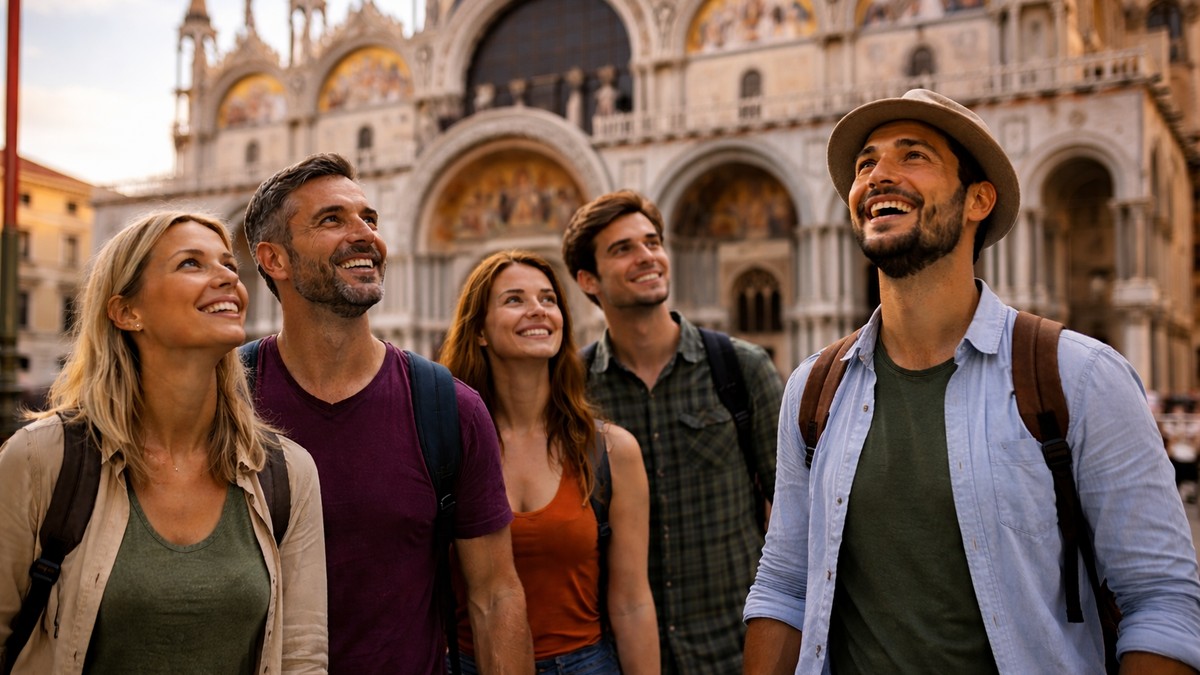
Thesis: The most memorable cultural travel experiences don’t come from museums—they come from streets, kitchens, rituals, and conversations that can’t be ticketed or timed.
Museums are safe. They’re credible. They’re easy to sell. And for decades, they’ve been the default shorthand for “culture” in travel itineraries.
But here’s the uncomfortable truth most agencies won’t say out loud: many travelers leave museums informed—but unmoved. They remember queues, crowds, and gift shops more vividly than the culture itself.
For a growing segment of travelers—especially repeat travelers and time-poor professionals—culture is something they want to live, not observe behind glass. That opens the door to a different kind of itinerary: museum-free, but culturally dense.
Why Museums Became a Default (and Why That’s a Problem)
The cultural shortcut
Museums are easy to package. One booking. One ticket. One line item that signals “this trip is educational.”
Globally, the top 100 museums receive over 230 million visitors per year (fact; The Art Newspaper), which tells you less about cultural appetite and more about funneling behavior. Tour buses, cruise groups, school trips—they all end up in the same halls.
From an agency perspective, museums reduce risk. From a traveler’s perspective, they often increase friction.
What modern travelers actually remember
Ask travelers six months after a trip what they remember most. It’s rarely Exhibit Room 4B.
It’s the woman teaching them how to fold dumplings.
The evening street market.
The bar where nobody spoke their language.
According to experience research, travelers remember participatory activities up to 40% more vividly than passive ones (estimate). Museums, by design, are passive.
What “Culture” Looks Like Outside Museums
Food, neighborhoods, and rituals
Culture lives where people live.
-
Markets that operate the same way they did 100 years ago
-
Religious ceremonies that shape daily schedules
-
Cafés, bars, and bakeries that function as social infrastructure
UNESCO now recognizes over 700 elements of “intangible cultural heritage” worldwide (fact; UNESCO), many of which cannot be experienced in a museum setting at all.
Living history vs curated history
Museums explain what was. Streets explain what is.
A neighborhood walk with the right local guide often delivers more cultural context than a wing of artifacts—because it connects history to modern life.
A Museum-Free Itinerary in Practice
Let’s get concrete.
Lisbon: Culture through daily life
Museum-free cultural components:
-
Alfama walking tour with a resident guide
-
Fado performance in a neighborhood tasca
-
Morning market visit with a chef
Cost comparison:
-
Traditional museum-heavy day: €80–€120 per person (tickets + transport)
-
Museum-free cultural day: €65–€90 per person
Client outcome:
One European agency replaced two museums with a food-and-neighborhood program for a 12-person group. Satisfaction scores increased, and daily spend dropped by ~15% while perceived value rose.
Kyoto: Ritual over galleries
Kyoto has world-class museums—and travelers still talk more about shrines.
Museum-free cultural components:
-
Early-morning temple visit before crowds
-
Tea ceremony with a local practitioner
-
Guided walk through Gion focusing on etiquette and seasonal customs
Japan receives over 30 million international visitors annually (fact; Japan National Tourism Organization), yet many never meaningfully engage with daily Japanese life.
Pricing reality:
A half-day museum visit costs roughly the same as a private tea ceremony—but delivers far less emotional impact.
Mexico City: Culture at street level
Museum-free cultural components:
-
Market crawl across three neighborhoods
-
Street food history tour
-
Evening plaza walk with a local historian
Mexico City has over 150 museums (fact; city tourism data), yet its strongest cultural asset is its street culture.
Agency example:
A Latin America-focused agency built a 4-night cultural extension without a single museum ticket. Total cost per client: ~$720 excluding flights. Repeat booking rate from that itinerary: 28% within 18 months (estimate).
A Museum-Free Itinerary for Culture Lovers
This approach works because it reframes culture as participation, not consumption.
And commercially, it offers three advantages:
-
Flexibility
-
Differentiation
-
Better pacing for modern travelers
What This Means for Travel Agencies
1. Culture becomes modular
Museum-free experiences are easier to customize:
-
Shorter durations
-
Easier swaps
-
Weather-flexible
They work for leisure and business travelers alike.
2. Margins are often better
Smaller group experiences, local guides, and private workshops often have:
-
Less price transparency
-
More supplier flexibility
-
Better commission structures
And because these itineraries rely heavily on hotels, post-booking price monitoring matters. Tools like Rebookify help agencies protect margin by rebooking hotels if prices drop—without touching the experience itself.
3. This sells trust, not trivia
Clients don’t want to feel tested at dinner. They want to feel connected.
Museum-free itineraries signal confidence: we know what actually matters here.
Common mistakes
-
Removing museums without replacing cultural depth
-
Using generic walking tours with no narrative
-
Overloading itineraries with food without context
-
Ignoring pacing and downtime
-
Assuming culture must be “authentic” to be valuable
-
Forgetting accessibility considerations
Culture without museums still needs structure.
Quick takeaways
-
Museums are not culture; they are one interpretation of it
-
Living culture creates stronger memories
-
Museum-free itineraries reduce friction and crowds
-
These trips differentiate agencies instantly
-
Margin control improves with flexible, local components
The Bottom Line
A Museum-Free Itinerary for Culture Lovers isn’t anti-museum—it’s pro-experience.
For agencies, this approach delivers richer stories, better pacing, and clearer differentiation in a crowded market. For travelers, it replaces queues with conversations.
And once those trips are booked, optimizing the hotel component—quietly and systematically—becomes the final layer of value. That’s where tools like Rebookify fit in: invisible, practical, and aligned with how modern travel is actually sold.
Culture doesn’t need a ticket. It needs intention.