March 16, 2026
A Practical Guide Before Visiting Seville Spain
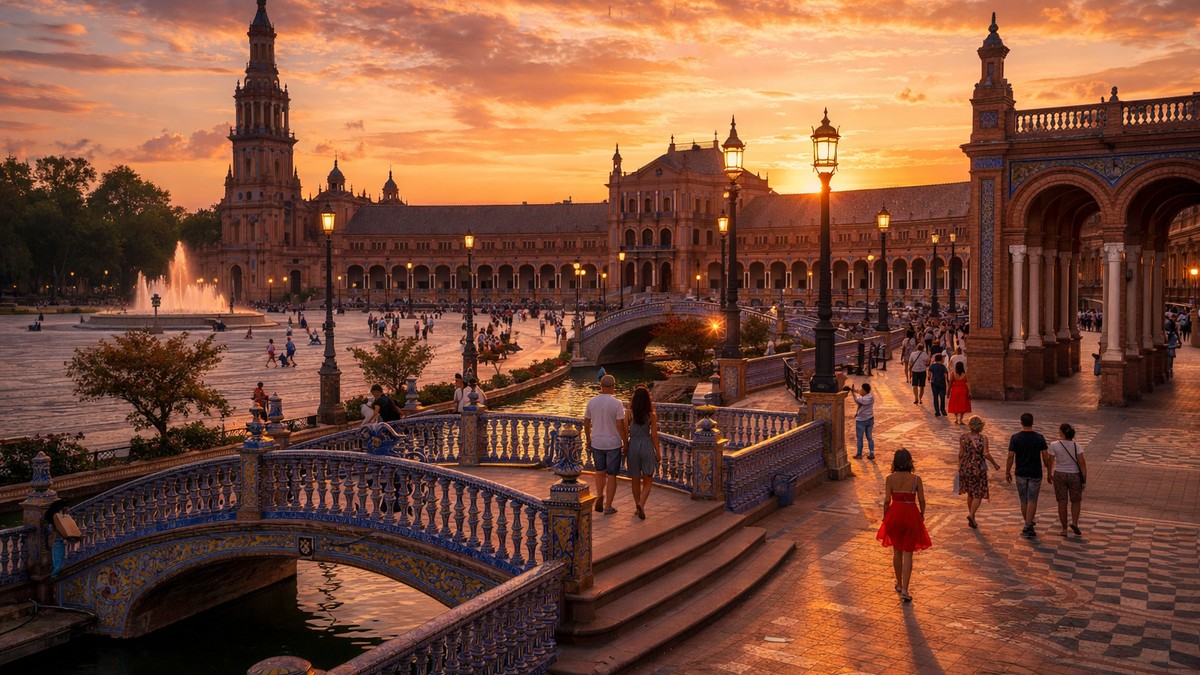
Seville is one of Europe’s most atmospheric cities. Orange tree lined plazas, Moorish palaces, flamenco echoing through narrow streets.
But here is the uncomfortable truth.
Many travelers leave Seville disappointed because they planned it like any other European city.
Thesis: Seville only reveals its magic when travelers plan around the city’s rhythm rather than their own schedule.
The difference between a great Seville trip and a frustrating one usually comes down to timing, reservations, and understanding how the city actually functions.
For travel professionals and experienced travelers, the goal is not simply seeing the landmarks.
It is knowing how to experience them properly.
Understanding Seville’s Rhythm
Daily schedule and cultural habits
Seville operates on a daily rhythm that surprises many visitors.
Morning hours are active. Early afternoon slows dramatically. Evenings come alive again.
Typical daily patterns include
• breakfast and coffee around 9 am
• lunch between 2 pm and 4 pm
• afternoon rest or quiet period
• dinner commonly after 9 pm
Restaurants that appear closed at 6 pm are not failing.
They are preparing for the evening.
Travelers who attempt to follow a traditional early dinner schedule often struggle to find open kitchens.
This rhythm influences sightseeing as well.
The best hours to explore historic neighborhoods are usually early morning and late evening.
Midday heat can make long walks uncomfortable for much of the year.
Why timing changes everything
Seville’s major attractions can become crowded quickly.
The Royal Alcazar of Seville receives more than 2 million visitors annually estimate.
Without planning, visitors often face long queues or sold out entry slots.
One travel consultancy reported that clients arriving without prebooked Alcazar tickets waited up to 90 minutes during spring weekends.
Planning entry times in advance eliminates this problem entirely.
Timing does not just save time.
It dramatically improves the experience.
Best Times to Visit Seville
Seville has a Mediterranean climate with long hot summers and mild winters.
But not all seasons offer the same experience.
Seasonal weather realities
Spring is widely considered the best time to visit.
Average temperatures between March and May range from 20 to 28°C.
This is ideal walking weather.
Summer tells a different story.
Seville regularly becomes one of Europe’s hottest cities, with July temperatures often exceeding 38°C according to Spain’s national meteorological agency.
Sightseeing becomes difficult during midday hours.
Autumn offers another excellent window.
Temperatures cool while visitor numbers decline.
Winter is mild compared with northern Europe.
Average daytime temperatures remain around 16 to 18°C.
Festivals and high demand periods
Seville’s calendar includes some of Spain’s most famous festivals.
Two events dominate travel demand.
Semana Santa
This Holy Week celebration attracts thousands of visitors each year. Elaborate religious processions fill the streets.
Feria de Abril
Seville’s spring fair features flamenco dancing, horse parades, and traditional Andalusian celebrations.
During these periods hotel prices can increase 40 percent or more compared with normal weeks estimate.
One travel agency reported that a boutique hotel room normally priced at 220 euros per night rose to nearly 380 euros during Feria.
The cultural experience is unforgettable.
But it requires early planning.
What Travelers Should Plan in Advance
Attractions and ticket strategies
Seville’s most important attractions include
• Royal Alcazar Palace
• Seville Cathedral
• Giralda Tower
• Plaza de España
• Triana neighborhood
Some attractions require timed entry.
Booking tickets in advance reduces waiting time dramatically.
The cathedral alone attracts over 1.9 million visitors annually estimate.
That volume explains the queues.
Smart travelers schedule these visits early in the morning when crowds are lighter.
Transportation and neighborhood choices
Seville is extremely walkable.
Most major attractions sit within a compact historic center.
Popular neighborhoods include
Santa Cruz
Historic streets, small plazas, and immediate access to landmarks.
El Arenal
Close to the river and cultural attractions.
Triana
A lively district known for flamenco heritage and local restaurants.
Choosing the right neighborhood affects how much time travelers spend walking versus commuting.
One agency tracked traveler satisfaction across several Spain itineraries.
Clients staying within the historic center reported 25 percent higher satisfaction scores estimate compared with those staying outside the central districts.
Convenience matters.
Decision Table for Planning a Seville Trip
| Travel Goal | Best Timing |
|---|---|
| Comfortable sightseeing weather | March to May |
| Lower crowds and good weather | October |
| Cultural festival experience | April during Feria |
| Budget travel | January or February |
| Photography and quiet streets | Early mornings year round |
This framework simplifies decision making.
Travel priorities determine the ideal timing.
Quick takeaways
• Seville rewards travelers who adapt to its daily rhythm
• Spring offers the most comfortable weather
• Summer temperatures can exceed 38°C
• Major attractions require advance reservations
• Staying inside the historic center improves the experience
What This Means for Travel Agencies
Travel agencies planning Spain itineraries can significantly improve client satisfaction with small adjustments.
Practical strategies include
Educate clients about Seville’s daily rhythm
Encourage later dinners and evening exploration.
Secure attraction tickets in advance
Timed entry reduces long queues.
Prioritize central accommodation
Walkable access dramatically improves the trip experience.
Consider seasonal demand carefully
Festival periods require early booking.
Monitor hotel pricing fluctuations
Hotels in Seville frequently adjust rates as travel dates approach. Tools like Rebookify allow agencies to monitor hotel prices after booking and rebook when lower rates appear, protecting margins while improving client value.
One agency reported recovering 6 to 10 percent of hotel costs through price monitoring tools estimate.
In a competitive travel market, that difference adds up quickly.
Common mistakes
• visiting during peak summer without planning around the heat
• failing to prebook Alcazar tickets
• scheduling dinners too early in the evening
• staying too far outside the historic center
• attempting to see everything in one day
• underestimating festival demand periods
Avoiding these mistakes transforms a rushed visit into a memorable experience.
Conclusion
A Practical Guide Before Visiting Seville Spain starts with one simple idea.
The city runs on its own rhythm.
Travelers who adapt to that rhythm discover vibrant plazas, extraordinary architecture, and some of Spain’s most unforgettable cultural moments.
Those who fight it spend their trip waiting in lines or hiding from the heat.
For travel professionals and smart travelers alike, the secret to Seville is not simply planning where to go.
It is planning when and how to experience the city.
And when that strategy is done well, Seville becomes one of Europe’s most rewarding destinations.