March 23, 2026
Affordable Chicago: Food, Fun, and Entertainment for Less
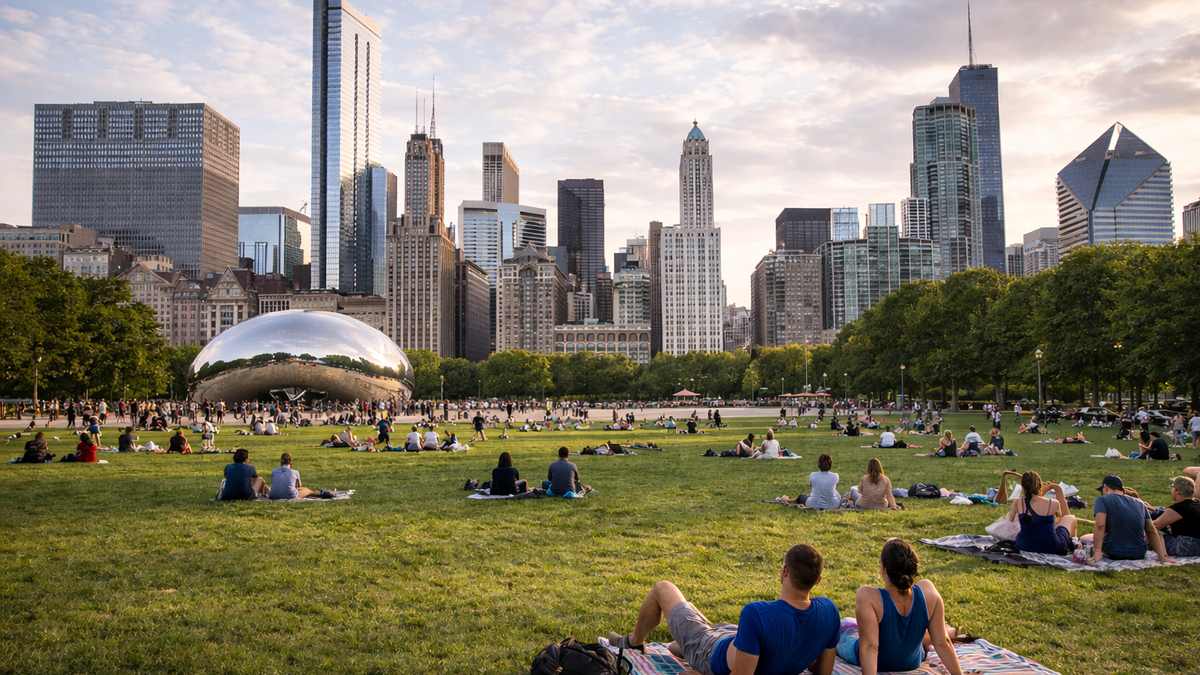
Chicago is not cheap, but it is one of the easiest major cities to make feel like it is.
That is the key insight behind Affordable Chicago: Food, Fun, and Entertainment for Less. The city does not compete on lowest price. It wins on how much experience travelers can extract from a fixed budget. With the right structure, a Chicago trip can feel premium without actually being expensive.
For travel agencies, this is a positioning advantage that is often underused.
Chicago’s value is hidden in plain sight
Chicago sits in an unusual category.
It offers
- World class food
- Major cultural attractions
- Strong entertainment options
Yet it is often priced below coastal cities.
Estimate
- Hotel rates are typically 15 to 25 percent lower than New York for comparable categories
- Dining costs are more flexible across price ranges
The result is a city that rewards smart planning.
Why Chicago delivers high experience for lower cost
The value comes from how the city is structured.
Food scene at every price point
Chicago’s food culture is diverse and accessible.
Options include
- Street food and casual dining
- Iconic local specialties
- High end restaurants
Example
A traveler spent three days exploring Chicago food
- Daily food budget averaged $45
- Included both casual meals and one premium dining experience
Result
- High satisfaction without exceeding budget
Free and low cost attractions
Chicago offers significant free experiences.
Highlights
- Public parks and lakefront
- Museums with free entry days
- Architectural walking routes
Estimate
- Travelers can fill 40 to 60 percent of their itinerary with low or no cost activities
This reduces overall trip cost.
Efficient city layout
Chicago is relatively easy to navigate.
Advantages
- Walkable downtown areas
- Reliable public transport
- Clear neighborhood structure
This reduces both time and transport expenses.
Where travelers actually spend time
Understanding behavior helps optimize itineraries.
Neighborhood exploration
Chicago is a neighborhood driven city.
Key areas
- Central districts for major attractions
- Local neighborhoods for food and culture
Example
An agency designed a four day itinerary
- Included three different neighborhoods
- Travel time between locations averaged under 25 minutes
Result
- Increased engagement and satisfaction
Entertainment and events
Chicago offers constant entertainment options.
Examples
- Live music
- Theater
- Seasonal festivals
Example
Adding a live event to itineraries
- Increased booking value by $60
- Improved overall trip ratings
Waterfront and public spaces
The lakefront is a major asset.
Features
- Scenic walking paths
- Beaches
- Public spaces
These experiences are often free but highly valued.
The economics of affordable Chicago travel
Chicago performs well when measured against experience delivered.
Cost versus experience ratio
Travelers get strong value for their spend.
Example
A four night Chicago trip
- Total cost $950
- Included accommodation, food, and activities
Comparable coastal city trips often exceed $1,300.
Short stay efficiency
Chicago works well for shorter trips.
Advantages
- High experience density
- Minimal travel time
- Flexible itinerary design
Example
A three night itinerary
- Covered major attractions and neighborhoods
- Delivered high satisfaction without additional days
Hotel pricing opportunities
Chicago’s hotel market is dynamic.
Opportunities
- Frequent price fluctuations
- Wide inventory across categories
Estimate
- Price changes of 5 to 12 percent are common within booking windows
Monitoring these changes creates savings opportunities.
What this means for travel agencies
Understanding Affordable Chicago: Food, Fun, and Entertainment for Less allows agencies to design smarter products.
Designing budget smart itineraries
Focus on value per day.
Action steps
- Combine free and paid experiences
- Limit unnecessary transport
- Prioritize high impact activities
Positioning tip
- Sell Chicago as high value not low cost
Pricing and packaging strategy
Chicago supports flexible pricing.
Best practices
- Bundle key experiences
- Offer tiered packages
- Highlight total experience value
| Package type | Duration | Key feature | Ideal client | Margin potential |
|---|---|---|---|---|
| City sampler | 3 nights | Core highlights | First time visitors | Medium |
| Food focused | 4 nights | Dining and neighborhoods | Couples | High |
| Premium value | 4 to 5 nights | Curated experiences | High value clients | Very high |
Post booking savings opportunities
Operational efficiency adds value.
Approach
- Monitor hotel rates after booking
- Rebook when prices drop
- Use savings to enhance experience or protect margin
Even small savings can improve both profitability and client perception.
Quick takeaways
- Chicago delivers high experience for moderate cost
- Food variety supports flexible budgets
- Free attractions increase perceived value
- Short stays are highly effective
- Price optimization improves margins
Common mistakes
- Positioning Chicago as a budget destination instead of high value
- Overloading itineraries with paid attractions
- Ignoring free experiences
- Underutilizing neighborhoods
- Missing hotel price fluctuations
- Not balancing food and activities
Conclusion
The real strength of Affordable Chicago: Food, Fun, and Entertainment for Less lies in how the city delivers value.
It is not about spending less. It is about getting more from what is spent.
For travel agencies the strategy is clear
- Design itineraries that maximize experience density
- Balance free and paid elements
- Optimize pricing continuously
Chicago is one of the few cities where a well designed trip can feel premium without requiring a premium budget.
That is a proposition worth selling.