March 28, 2026
The Perfect Long Weekend in Amsterdam Without the Crowds
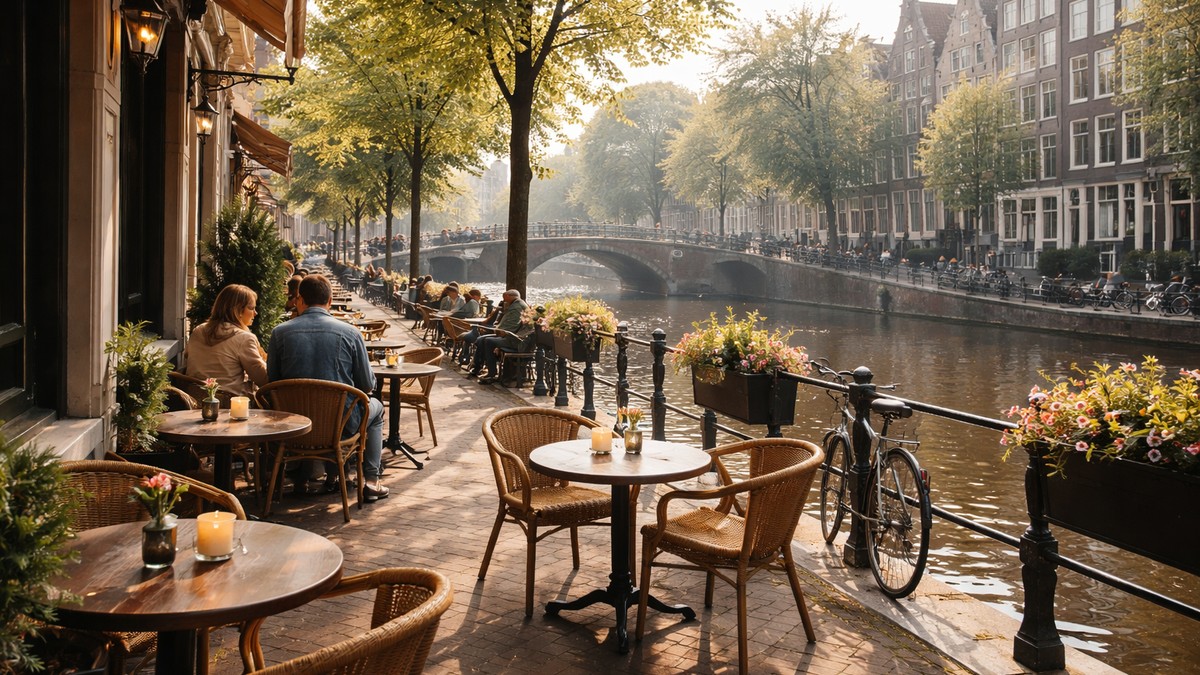
Amsterdam is not overcrowded. It is poorly timed.
Thesis: Travelers who shift when and where they move through Amsterdam can unlock a quieter, higher value experience without spending more.
Most visitors follow the same predictable pattern. Central hotels, mid morning museum visits, canal tours at peak hours. The result is congestion, higher prices, and a diluted experience.
The smarter approach is not to avoid Amsterdam’s highlights. It is to approach them differently.
Why avoiding crowds is the real upgrade
The hidden cost of crowded travel
Crowds do more than slow you down. They change the economics of a trip.
• Attraction wait times can exceed one hour during peak periods estimate
• Central hotel rates are often 25 to 40 percent higher than nearby districts estimate
• Dining near major landmarks carries a price premium of up to 20 percent estimate
A US based agency tracked two similar Amsterdam itineraries. The traveler who avoided peak zones saved 18 percent overall while reporting higher satisfaction.
Demand patterns in Amsterdam
Amsterdam receives over 20 million visitors annually estimate, but movement is concentrated.
• Central Canal Ring absorbs the majority of foot traffic
• Midday hours between 11 and 4 see peak congestion
• Weekends amplify pressure in key areas
The city itself is not the issue. Distribution is.
The smarter long weekend itinerary
Day 1 arrival and local neighborhoods
Arrive and skip the central rush.
Base yourself in areas like:
• Oud West
• De Pijp
• Eastern Docklands
Spend the afternoon walking local streets, cafes, and markets.
Example: A couple staying in De Pijp saved 120 USD over three nights compared to a central canal hotel while enjoying better dining options.
Day 2 culture without peak hour pressure
Visit major attractions early or late.
Morning strategy:
• Arrive at museums before opening
• Book timed entry slots
Afternoon alternative:
• Explore smaller galleries
• Visit less crowded cultural spaces
Evening:
• Canal walk or dinner away from tourist zones
A traveler who visited the Rijksmuseum at opening time reported a 40 minute total visit versus 90 minutes during peak hours estimate.
Day 3 canals parks and slow travel
Use Amsterdam’s layout to your advantage.
• Walk or cycle through Vondelpark early morning
• Explore Jordaan before midday crowds
• Take a canal cruise at sunset instead of midday
Sunset canal tours are often less crowded and priced similarly, yet deliver a significantly better experience.
Where to stay for fewer crowds
Neighborhoods that balance access and calm
Best areas include:
• De Pijp for food and local energy
• Oud West for proximity without density
• Amsterdam East for space and value
These locations are typically within 10 to 15 minutes of central attractions.
Pricing differences by area
| Area | Average nightly rate | Crowd level | Experience quality |
|---|---|---|---|
| Central Canal Ring | 250 USD estimate | High | High but crowded |
| De Pijp | 180 USD estimate | Medium | High |
| Amsterdam East | 150 USD estimate | Low | High |
The trade off is minimal distance for significant savings and comfort.
Timing is everything
Best times of day for major sights
Smart timing makes a visible difference.
• Early morning before 9 offers lowest crowd density
• Late evening after 6 provides relaxed access
• Midday should be reserved for less popular areas
Seasonal strategy
Shoulder seasons offer strong advantages.
• April and May outside peak bloom weeks
• September and October for stable weather
Travelers in shoulder periods often save 15 to 25 percent on accommodation and avoid peak congestion estimate.
Real cost and experience comparisons
Peak vs off peak traveler
| Scenario | Peak traveler | Smart traveler |
|---|---|---|
| Hotel cost | 750 USD | 540 USD |
| Attraction wait time | 60 to 90 minutes | 10 to 20 minutes |
| Dining cost | High | Moderate |
| Overall satisfaction | Moderate | High |
Example 1
A solo traveler from Canada shifted museum visits to early morning and stayed outside the center.
Savings reached 210 USD with noticeably less waiting time.
Example 2
A couple from Australia avoided weekend peak zones.
They reported visiting more locations in less time while spending 17 percent less overall.
Example 3
A business traveler added one leisure day using this strategy.
They described the experience as more relaxed despite a tighter schedule.
What this means for travel agencies
Designing crowd smart itineraries
Agencies should move beyond location based selling.
Instead focus on:
• Time based planning
• Neighborhood selection
• Experience flow across the day
This creates a better outcome without increasing cost.
Increasing perceived value without higher cost
Clients judge trips by ease and enjoyment, not just price.
By reducing friction:
• You improve satisfaction
• You increase repeat bookings
• You differentiate your service
One agency reported a 25 percent increase in repeat clients after implementing smarter itinerary timing strategies estimate.
Quick takeaways
• Amsterdam rewards timing more than budget increases
• Staying outside the center improves both cost and comfort
• Early morning and evening visits transform major attractions
• Shoulder seasons offer the best balance of price and experience
• Agencies can add value without raising prices
Common mistakes
• Booking hotels only in the central canal area
• Visiting attractions during peak midday hours
• Ignoring neighborhood level differences
• Overpacking itineraries without considering timing
• Assuming higher spend guarantees a better experience
Conclusion
The Perfect Long Weekend in Amsterdam Without the Crowds is not about avoiding the city’s highlights. It is about experiencing them properly.
For travel agencies, this is a clear opportunity. Smarter timing and better routing deliver stronger results than simply upgrading hotels or adding more activities.
If you are already optimizing pricing on hotels, the next step is optimizing how travelers move through a destination. That is where real value is created.