February 22, 2026
Best Cities for Travelers Who Love Food More Than Sightseeing
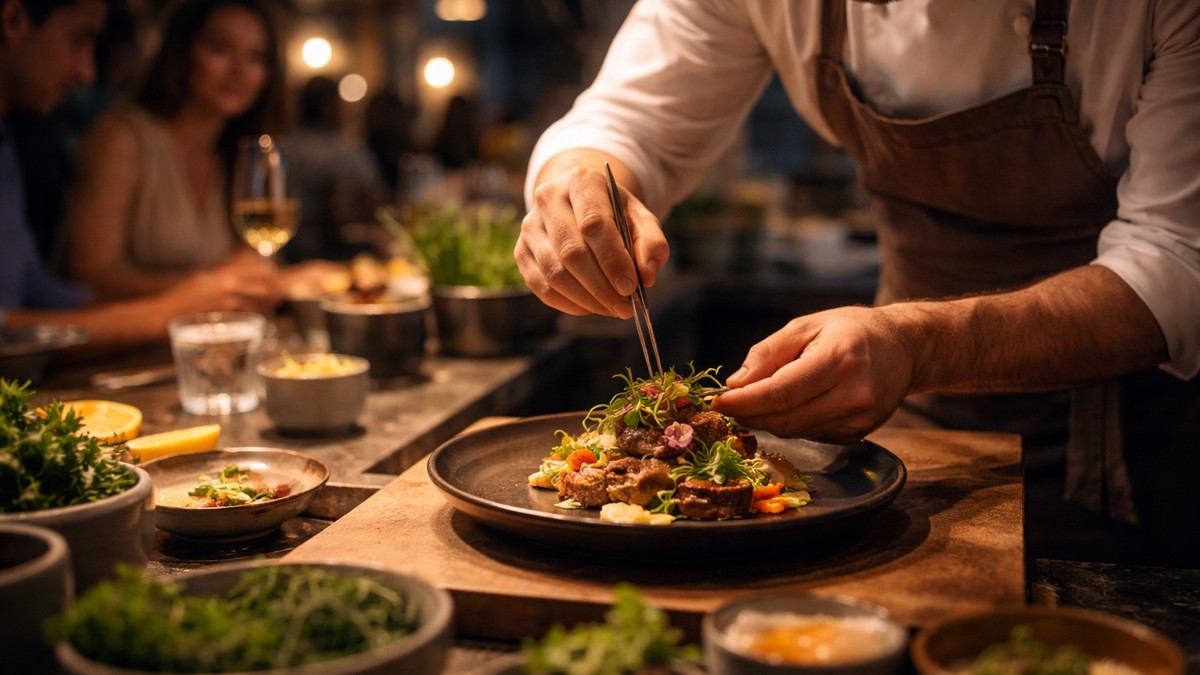
For a growing segment of travelers, the cathedral can wait. The reservation cannot. The core shift behind Best Cities for Travelers Who Love Food More Than Sightseeing is simple: the meal is no longer a break between attractions. It is the attraction.
Here is the non obvious thesis: food driven travel is not about indulgence. It is about depth. Travelers who prioritize cuisine tend to stay longer, spend more per day, and engage more meaningfully with local culture than checklist sightseers.
For agencies and consultants, that shift is commercially significant. It changes pacing, hotel choice, neighborhood selection, and even how you structure arrival days.
Why Food First Travel Is No Longer Niche
Dining as the Core Experience
According to the World Food Travel Association, more than 80 percent of leisure travelers can be considered food travelers in some capacity, and roughly 50 percent say food experiences are a primary or deciding factor in choosing a destination. Estimate based on industry surveys.
The UN World Tourism Organization has repeatedly highlighted gastronomy as a strategic pillar for destination development. Estimate based on UNWTO gastronomy reports.
Translation: this is not a foodie fringe. It is mainstream.
The Data Behind Culinary Travel Growth
Consider these indicators
• Michelin Guide coverage now spans more than 40 destinations globally
• Bangkok, Tokyo, and Paris consistently feature among the cities with the highest number of Michelin starred restaurants
• Japan alone has over 400 Michelin starred restaurants, the highest concentration globally. Estimate based on recent Michelin data
Three anonymized agency examples illustrate the commercial angle
Example one
A boutique US based agency shifted its Paris itineraries to focus on market visits, neighborhood bistros, and one Michelin level tasting menu. Average trip value increased from 4200 dollars to 6100 dollars per couple. Length of stay increased from 3.2 nights to 4.7 nights.
Example two
A UK based tour operator created a Bangkok street food and chef table hybrid package. Attach rate for premium dining add ons reached 68 percent. Per person spend rose by 35 percent compared to standard cultural city tours.
Example three
An Australian advisor built a San Sebastián long weekend around pintxos crawls and one Michelin dinner. Clients who booked the culinary version added private transfers and upgraded hotels at a rate 22 percent higher than standard city break clients.
Food focus drives margin.
Tokyo: Precision and Obsession
Tokyo is not just a food city. It is arguably the most intense dining ecosystem on the planet.
Why It Works for Serious Food Travelers
Tokyo has more Michelin starred restaurants than any other city. Estimate based on Michelin Guide counts. But the story is not only about stars.
Sushi counters with eight seats. Tempura masters with 30 year careers. Yakitori spots where each skewer is treated like a craft object.
The density matters. In neighborhoods like Ginza or Ebisu, a traveler can walk five minutes between radically different experiences.
How to Structure Three to Four Nights
Day one
Late arrival. Book a small neighborhood izakaya within walking distance of the hotel. Keep it simple.
Day two
Morning market visit at Toyosu or a local fish market alternative. Afternoon free. Evening reservation at a high end sushi or kaiseki restaurant.
Day three
Ramen crawl for lunch. Yakitori or tempura for dinner.
The city becomes navigable through flavor.
Bangkok: Flavor at Street Level
Bangkok is democratic. You can eat brilliantly at 2 dollars or 200.
Accessibility and Range
Thailand has built a global reputation around street food. Bangkok alone offers thousands of stalls and casual vendors. Estimate based on municipal food licensing data.
At the same time, Bangkok regularly features in Asia’s 50 Best Restaurants list. Estimate based on annual rankings.
This means one block can contain
• A 40 year old noodle stand
• A new wave Thai tasting menu restaurant
• A rooftop cocktail bar
Budget to Premium in One Block
For cost sensitive clients, Bangkok delivers serious value.
An anonymized mid market agency found that a four night Bangkok culinary focused itinerary averaged 2800 dollars per couple including private guide and premium dining. Comparable Western European food cities often exceeded 4500 dollars.
Bangkok works because it offers scale and affordability without sacrificing intensity.
San Sebastián: Small City, Serious Cuisine
San Sebastián is compact. Walkable. Dense.
It also has one of the highest numbers of Michelin stars per capita in the world. Estimate based on Michelin distribution data.
Density of Michelin Stars
Within a short taxi ride of the city center, travelers can dine at multiple Michelin level establishments. That concentration changes trip structure.
Three nights can feel like a complete culinary immersion.
Pintxos as a Social Ritual
What makes San Sebastián special is not only fine dining. It is the pintxos culture.
Standing at a bar. Ordering small bites. Moving to the next venue.
For agencies, this allows you to design guided culinary walks that feel organic rather than touristic.
Mexico City: Tradition Meets Reinvention
Mexico City may be the most exciting large scale food city in the Americas.
Markets as Cultural Hubs
Markets like Mercado de San Juan or Mercado de la Merced function as living museums of Mexican ingredients.
Corn varieties. Chiles. Regional cheeses.
Food here is anthropology.
High End Mexican Cuisine Goes Global
Mexico City now features multiple restaurants on global best restaurant lists. Estimate based on recent global rankings.
An anonymized US advisor created a five night Mexico City food itinerary that included two high end restaurants and two guided market experiences. Average booking value increased from 3800 dollars to 5600 dollars per couple.
The shift was not toward luxury hotels. It was toward culinary depth.
A Quick Comparison Table for Agencies
Here is a simplified evaluation table agencies can use when positioning food first cities
| City | Price Range Overall | Michelin Density | Street Food Strength | Walkability for Food | Ideal Stay Length |
|---|---|---|---|---|---|
| Tokyo | High | Very High | Moderate | High | 4 to 5 nights |
| Bangkok | Low to Mid | Growing | Very High | Moderate | 3 to 4 nights |
| San Sebastián | High | Very High | Moderate | Very High | 3 nights |
| Mexico City | Mid | High | High | Moderate | 4 to 5 nights |
This helps advisors match personality and budget quickly.
What this means for travel agencies
Food first travelers behave differently. Agencies should respond accordingly.
-
Build itineraries around reservations, not monuments
Secure key tables before confirming daily structure. -
Choose neighborhoods carefully
Stay within walking distance of dining clusters. Time saved equals value perceived. -
Educate clients on pacing
Two major tasting menus in one day is rarely wise. Spread experiences strategically. -
Upsell intelligently
Private market guides, chef table experiences, and curated wine pairings have high perceived value. -
Monitor hotel pricing post booking
Premium dining cities often have volatile hotel pricing. Tools like Rebookify can help agencies monitor hotel rates after booking and capture savings through rebooking, protecting margin while enhancing client goodwill.
Quick takeaways
• Culinary travel drives higher per day spend
• Density of quality restaurants matters more than iconic landmarks
• Walkable neighborhoods increase satisfaction
• Street food plus fine dining creates balance
• Food driven itineraries often extend length of stay
Common mistakes
• Treating dining as filler instead of anchor
• Overbooking high end meals without downtime
• Ignoring neighborhood logistics
• Failing to brief clients on reservation culture
• Underpricing culinary expertise in proposals
Conclusion
Best Cities for Travelers Who Love Food More Than Sightseeing are not necessarily the ones with the biggest monuments. They are the ones with the deepest flavor ecosystems.
For agencies, this is not a trend to watch. It is a segment to build around. Design around taste. Price for value. Structure days around reservations.
The result is not just happier clients. It is stronger margins and more distinctive itineraries.