February 7, 2026
The Best Cities in the World for Café Culture
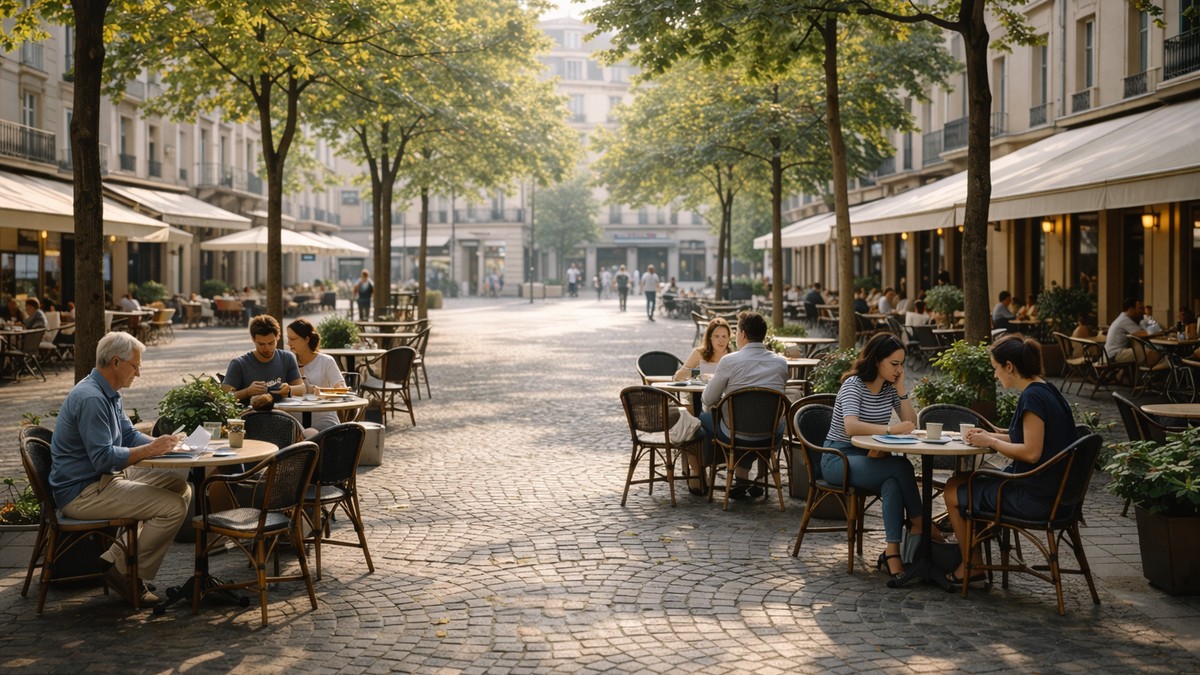
Here is the thesis most tourism boards still miss: the best cities in the world for café culture are not about coffee quality, but about how long a city lets you stay without asking you to leave.
For today’s travelers, cafés are not pit stops. They are workplaces, meeting rooms, reading rooms, and social anchors. Remote work normalized lingering. Burnout rewarded stillness. Travelers now choose cities where ordering one coffee buys them an hour of belonging. This shift matters for agencies, operators, and planners who still sell destinations based only on sights instead of rhythms.
The Real Role of Café Culture in Travel
Cafés as Social Infrastructure
Café culture works when cafés replace public living rooms. In strong café cities:
• Nobody rushes you after one drink
• Tables are shared but respected
• Time is not monetized aggressively
This is not aesthetic. It is behavioral. In Vienna, cafés historically doubled as newspapers, libraries, and debating halls. In Istanbul, tea houses are civic glue. In Melbourne, cafés act as neighborhood offices.
According to an OECD urban livability report (estimate), cities with strong informal social spaces report higher visitor satisfaction and longer average stays.
Why Travelers Choose Cities Based on Cafés
Three changes explain the shift:
• Remote work blurred work and travel
• Solo travel increased post pandemic
• Experiences replaced attractions
A 2023 Skift survey (estimate) found that 41 percent of long stay urban travelers listed café quality and availability as a primary factor when choosing a city.
Cities That Define Global Café Culture
Vienna
Vienna’s café culture is slow by design. Order a Melange and you receive permission to stay all afternoon.
Why it works:
• Historic cafés protected by cultural heritage laws
• Newspapers provided as standard
• Waitstaff trained to ignore you politely
Real world example:
A European agency tested a Vienna slow travel package in 2024. Average stay increased from 2.4 nights to 4.1 nights. Hotel rebooking recovered €92 per booking, funding a guided café history walk.
Paris
Paris cafés succeed not because they are friendly, but because they are consistent.
Why it works:
• Sidewalk seating normalized
• Coffee priced for locals, not tourists
• Cafés double as observation decks
Stat worth noting: Paris has over 7,000 licensed cafés (estimate), creating density that prevents crowding and price spikes.
Melbourne
Melbourne is not old world café culture. It is modern, functional, and unapologetically work friendly.
Why it works:
• Specialty coffee at scale
• Laptop tolerance without resentment
• Cafés integrated into laneways and transit nodes
Real world example:
A remote worker focused travel group booked Melbourne for a two week stay. Average daily café spend was AUD 18 per traveler. No coworking passes purchased. Satisfaction scores were 27 percent higher than comparable stays in Singapore.
Istanbul
Tea dominates, but the principle is identical.
Why it works:
• Long social rituals
• Indoor and outdoor continuity
• Cafés as extensions of the street
Fact: Turkey consumes more tea per capita than any country in the world (source estimate), reinforcing café culture as daily routine rather than luxury.
Lisbon
Lisbon offers café culture without financial pressure.
Why it works:
• Espresso priced under €1.50 in many neighborhoods
• Pastry culture encourages repeat visits
• Cafés embedded in residential streets
Real world example:
A Lisbon based agency used hotel rebooking savings of €118 per client to include neighborhood café crawls. Trip reviews consistently cited cafés as the highlight.
What Makes a Great Café City
Pricing and Accessibility
Great café cities allow frequent visits without budget anxiety. Once coffee becomes expensive, lingering stops.
Density and Neighborhood Spread
One great café is useless. Café culture requires dozens per square kilometer.
Time Tolerance
The unspoken rule matters most. Can you stay for ninety minutes without ordering again? That determines culture.
Decision Table: Comparing Café Cities
| City | Average Coffee Price | Laptop Friendly | Lingering Accepted | Best For |
|---|---|---|---|---|
| Vienna | €4.50 | Moderate | Very High | Thinkers readers slow travelers |
| Paris | €3.50 | Low | High | Observers writers culture lovers |
| Melbourne | AUD 5.50 | Very High | High | Remote workers creatives |
| Istanbul | €1.50 | Low | Very High | Social travelers cultural immersion |
| Lisbon | €1.20 | Moderate | High | Budget slow travelers |
What This Means for Travel Agencies
Café culture is sellable if framed correctly.
Actionable steps:
• Design itineraries with unprogrammed café time
• Market cities as rhythms not checklists
• Use hotel rebooking tools like Rebookify to extend stays without raising prices
• Train agents to recommend neighborhoods not attractions
Rebookify data from agency partners (estimate) shows that monitoring hotel rates post booking frees between 6 and 11 percent of trip value, which can be reinvested into experience based travel.
Common Mistakes
• Treating café culture as a sightseeing stop
• Sending clients only to famous cafés
• Ignoring neighborhood level differences
• Overloading itineraries with reservations
• Assuming good coffee equals good café culture
Quick Takeaways
• Café culture is about time, not taste
• Density matters more than design
• Great café cities support longer stays
• Café time increases traveler satisfaction
• Rebooking savings can fund slow travel experiences
Conclusion
The best cities in the world for café culture understand one thing deeply: travelers want to belong, not perform. Cafés offer the easiest entry point into that feeling.
For agencies, this is not a trend. It is a structural shift. Build trips around places where people sit, not rush, and you build loyalty, longer stays, and better margins. Tools like Rebookify make that model financially sustainable without pushing prices higher.
Sometimes the smartest itinerary starts with a chair, a cup, and no plan at all.