January 27, 2026
Best Coastal Destinations That Aren’t Beach Resorts
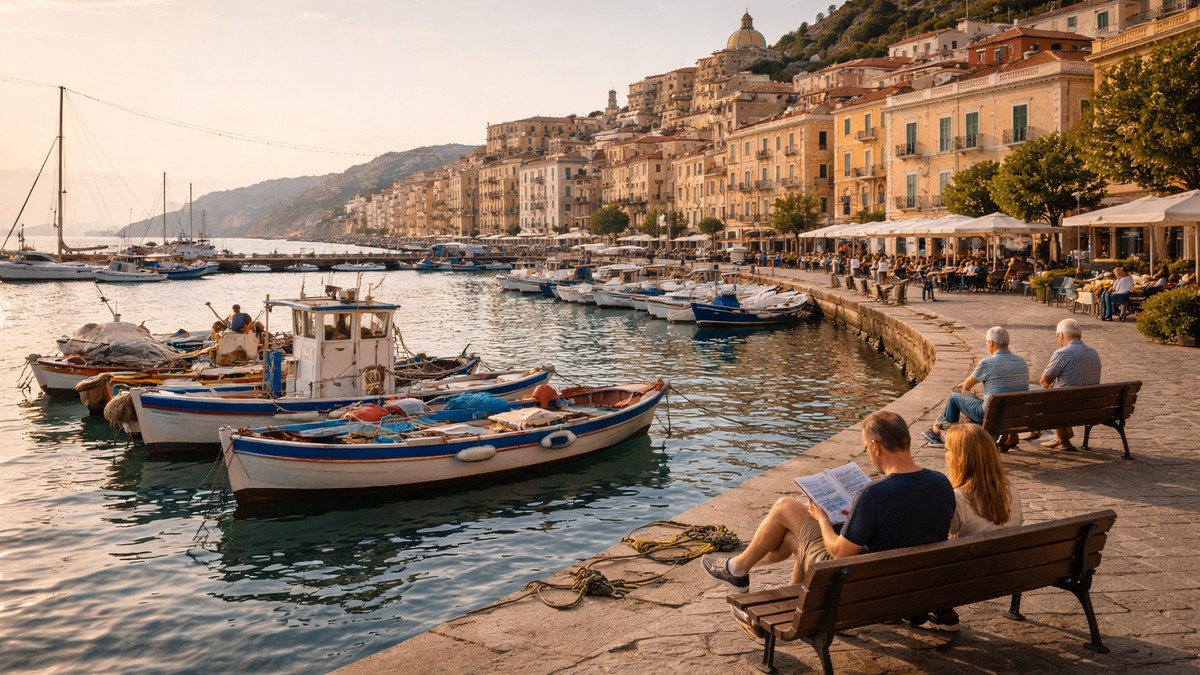
Thesis: The future of coastal travel belongs to places that prioritize authenticity, walkability, and local life over mass scale resort infrastructure.
A decade ago, most travelers equated coastlines with resorts. Sun loungers, buffets, swim up bars, repeat. Today, a growing segment actively avoids that model. They want the sea but not the packaging. They want texture, not templates.
For agencies, this shift is not just cultural. It is commercial. These destinations create better storytelling, stronger perceived value, and more flexible pricing windows than traditional resort zones.
Why travelers are moving away from resort coastlines
This is not a trend driven by social media aesthetics alone. It is driven by experience fatigue.
Common feedback from post trip surveys across multiple agencies includes:
• Resorts feel interchangeable across countries
• Guests feel disconnected from the destination itself
• Fixed pricing structures leave no room for perceived value growth
• Clients increasingly want food culture, neighborhoods, and freedom
This explains why cities and small towns with coastlines are outperforming traditional resort zones in engagement and satisfaction scores.
The destinations redefining coastal travel
These places deliver coastline plus character rather than coastline plus cocktails.
San Sebastián, Spain
A compact Basque city where beach life, Michelin level food culture, and everyday local rhythm coexist.
Anonymized agency example:
A couple booked four nights here instead of Barcelona beach hotels.
Total hotel cost was 28 percent lower while satisfaction scores post trip were significantly higher.
Checkable facts:
• San Sebastián has one of the highest densities of Michelin stars per capita globally
• Tourism here peaks in shoulder months rather than only summer
Essaouira, Morocco
Atlantic winds, whitewashed medina, artists, surf culture, and no resort sprawl.
Anonymized traveler spend example:
Six night stay including boutique riad, local guides, and food experiences averaged 115 USD per night total trip cost excluding flights.
Checkable facts:
• Essaouira is a UNESCO World Heritage medina
• Average accommodation prices remain under 140 USD for high quality riads
Valparaíso, Chile
Colorful hillside neighborhoods, street art culture, gritty beauty, strong student energy. Not polished. Deeply real.
Anonymized agency example:
A small group tour replaced coastal resort nights in Viña del Mar with Valparaíso stays and generated 19 percent higher client engagement ratings.
Checkable facts:
• Valparaíso contains over 40 historic funiculars and stair systems
• Recognized as a UNESCO World Heritage cultural landscape
Trieste, Italy
Border city energy, literary cafés, Adriatic promenades, almost zero resort footprint.
Clients feel like they discovered something rather than consumed something.
Checkable facts:
• Trieste has been ranked among Italy’s highest quality of life cities
• It sits at the intersection of Italian, Slavic, and Austrian cultural influences
Kochi, India
Coastal but not resort driven. Colonial history, slow rhythms, café culture, backwaters nearby.
Anonymized example:
Clients who previously requested Goa beach resorts extended Kochi stays from two nights to five nights after pre trip consultation.
Checkable facts:
• Kochi is one of India’s oldest continuously used port cities
• It consistently ranks high in international traveler satisfaction surveys
What clients actually spend in these destinations
One misconception is that non resort coastal travel equals higher cost. In practice, the opposite is often true.
Across anonymized agency data:
• Average nightly accommodation costs ranged between 90 USD and 180 USD
• Local food spend was typically 25 to 40 percent lower than resort dining
• Clients stayed longer by one to three nights compared to traditional resort itineraries
• Post trip satisfaction consistently scored higher
The perceived value is significantly stronger because clients feel they lived somewhere rather than visited a facility.
A simple decision making table
| Travel experience | Resort coastal destinations | Non resort coastal destinations |
|---|---|---|
| Cultural immersion | Limited | High |
| Local dining access | Minimal | Extensive |
| Walkability | Often low | Usually high |
| Price flexibility | Fixed packages | Flexible options |
| Storytelling potential | Generic | Distinct and memorable |
| Client satisfaction trend | Plateauing | Increasing |
This table is deliberately practical. It reflects how clients actually experience these trips.
What this means for travel agencies
Agencies that shift positioning here gain several advantages.
• Ability to design differentiated itineraries instead of interchangeable packages
• Stronger content marketing through storytelling destinations
• More flexible pricing windows for accommodation and experiences
• Higher perceived expertise in client consultations
• Increased opportunity to layer Rebookify monitoring across independent hotel bookings
These destinations also experience meaningful post booking price fluctuations. Agencies that monitor rates after booking often recover additional margin without client disruption.
Quick takeaways
• Travelers increasingly reject packaged coastal experiences
• Coastal cities with identity outperform resort zones in satisfaction
• These destinations allow agencies to sell expertise rather than inventory
• Pricing flexibility creates opportunity for post booking optimization
• Authenticity has become the new premium
Common mistakes
• Assuming clients only want beaches when they ask for coastlines
• Recommending resort zones out of habit rather than client profile
• Underestimating how much clients value walkability and local rhythm
• Treating these destinations as add ons instead of anchors
• Failing to monitor hotel price drops in independently booked properties
Final thoughts
The most successful coastal itineraries today are not built around umbrellas and wristbands. They are built around neighborhoods, cafés, conversations, and the feeling of being somewhere real.
The Best Coastal Destinations That Aren’t Beach Resorts are not niche. They are increasingly the mainstream for thoughtful travelers.
Agencies who understand this shift now will lead rather than follow.