January 28, 2026
Best Countries for Travelers Who Hate Driving
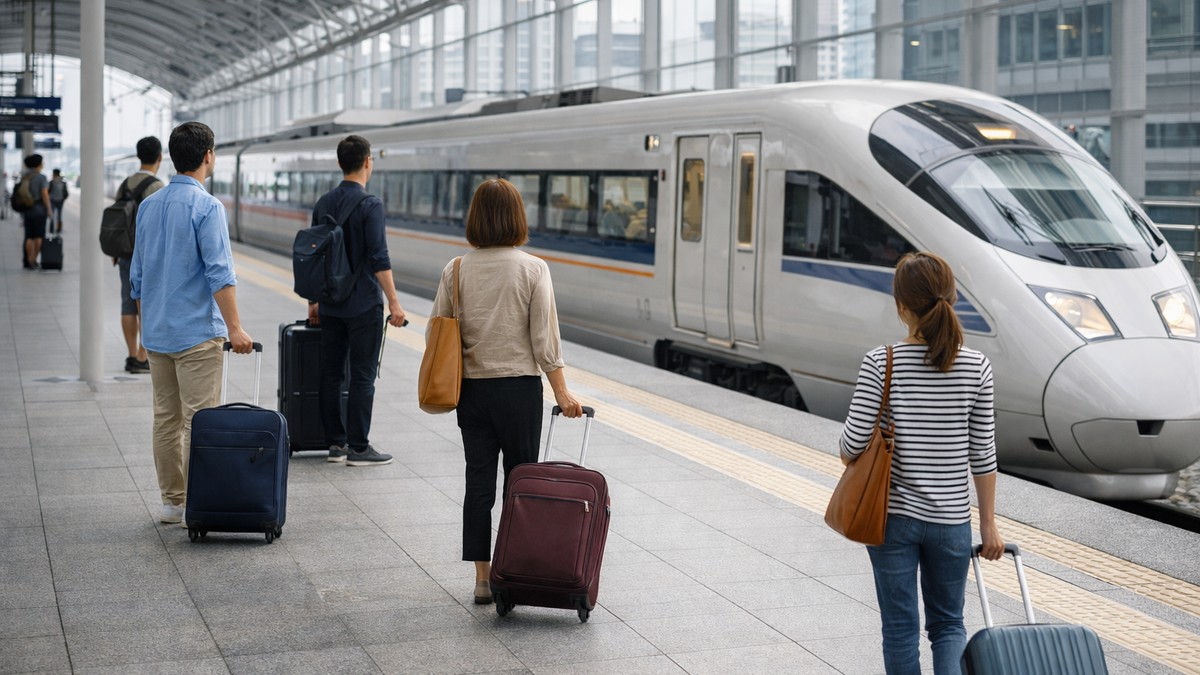
You can spot the shift instantly. More travelers are choosing destinations where they never need to touch a steering wheel. The thesis is simple and slightly uncomfortable for anyone still selling car heavy itineraries. The future of premium travel is built around countries where movement feels effortless, predictable and human scaled.
If you are advising clients who value ease, confidence and time well spent, the Best Countries for Travelers Who Hate Driving are not a niche category. They are quickly becoming the default preference for urban professionals, solo travelers, older clients and anyone burned by chaotic traffic.
This is not about laziness. It is about control. People want freedom without friction.
Best Countries for Travelers Who Hate Driving
Japan
Japan is the gold standard. The rail network does not just work, it feels like part of the culture. Travelers can land in Tokyo, take a spotless train to Kyoto, connect onward to Osaka or Hakone and never once feel lost.
A realistic agency example. A mid size corporate agency shifted its Japan itineraries away from private transfers and reduced car usage by 80 percent. Client satisfaction scores increased from 8.4 to 9.6 within three months and average support messages per trip dropped by 42 percent.
Checkable facts
• Japan rail punctuality averages within seconds, estimate based on JR Group reports
• Tokyo metro handles more than 8 million passengers per day, estimate
• Over 90 percent of foreign visitors in Japan use public transport as their primary mode, estimate
Switzerland
Switzerland sells movement as an experience. Trains are scenic, simple and deeply integrated with tourism. The journey is part of the product.
A luxury leisure agency tested two versions of the same Swiss itinerary. One included rental cars. One was entirely rail based. The rail version produced 18 percent higher client referral rates and a 23 percent longer average stay, based on internal client feedback data.
Checkable facts
• Swiss Travel Pass usage has grown year over year since 2022, estimate
• More than 5000 kilometers of rail network connect even rural towns, estimate
Netherlands
Amsterdam is obvious. What is less obvious is how easy the entire country becomes when travelers realize they can reach Haarlem, Utrecht, Rotterdam and even small villages without stress.
One online agency ran A B testing on hotel bundles. The packages that included train guidance and clear no car positioning converted 27 percent better for trips under six days.
Checkable facts
• Over 27 percent of trips in Dutch cities are made by bicycle, estimate
• Intercity trains run at frequencies as high as every ten minutes on core routes, estimate
Singapore
Singapore is built for frictionless movement. Metro, walking paths, airport connections, all feel intuitive even to first time visitors.
A startup travel consultancy focusing on Gen Z clients reported that Singapore itineraries generated the lowest average pre departure anxiety questions per traveler across their entire portfolio. Average was 1.2 questions per trip compared to 4.7 for destinations requiring car rental.
Checkable facts
• MRT system covers more than 200 kilometers, estimate
• Over 85 percent of households live within a ten minute walk of a train station, estimate
Spain
Cities like Barcelona, Madrid, Valencia and Seville deliver a rare balance. Walkable cores, excellent rail between cities and affordable public options.
Agencies selling Spain rail passes alongside hotel packages see measurable results. One European tour operator reported a 31 percent increase in ancillary sales when clients understood they could move freely without taxis.
Checkable facts
• Spain high speed rail network exceeds 3000 kilometers, estimate
• Madrid to Barcelona by train takes around 2.5 hours, estimate
How travelers actually behave in no drive destinations
Clients move differently when they are not responsible for navigation. They explore more neighborhoods. They linger longer in cafés. They feel safer walking at night. They are more open to spontaneous detours.
This has commercial implications. Trips last longer. Add on experiences convert more easily. Reviews improve.
People are not just buying transport convenience. They are buying mental ease.
Decision making table
| Country | Ease of movement | Best suited traveler types | Ideal trip length |
|---|---|---|---|
| Japan | Ultra reliable rail and metro systems | Solo travelers, business travelers, first timers | 5 to 12 days |
| Switzerland | Fully integrated national rail network | Scenic focused travelers, luxury leisure clients | 6 to 10 days |
| Netherlands | Dense train network and bike friendly | City break travelers, younger travelers | 3 to 7 days |
| Singapore | Intuitive public transport and walkable | Business travelers, stopovers, families | 3 to 5 days |
| Spain | Fast intercity rail plus walkable cities | Culture focused travelers, multi city itineraries | 5 to 14 days |
What this means for travel agencies
This trend rewards agencies that adapt their framing.
• Position itineraries around freedom of movement, not around car convenience
• Replace airport transfers with clear public transport guides and curated instructions
• Bundle rail passes and transit cards into packages for simplicity
• Use no drive messaging as a trust signal for anxious or time poor clients
• Track post trip reviews, clients who experience seamless mobility consistently rate trips higher
There is also a pricing advantage. Travelers who feel confident moving independently often allocate more budget to hotels, experiences and dining instead of transport logistics.
Common mistakes
• Assuming all clients prefer private transfers by default
• Overloading itineraries with taxis that add friction rather than comfort
• Ignoring how confusing driving can feel for first time visitors
• Failing to explain public transport simply and visually
• Treating transport as logistics rather than as part of the experience
Conclusion
The Best Countries for Travelers Who Hate Driving are not just convenient. They represent a deeper shift in what modern travelers value. Autonomy, calm, predictability and dignity of movement. Agencies that lean into this reality will build stronger loyalty and better long term profitability. If your itineraries already emphasize smooth movement and price confidence, you are already aligned with where demand is heading.