February 16, 2026
Best Destinations for Short Stopovers
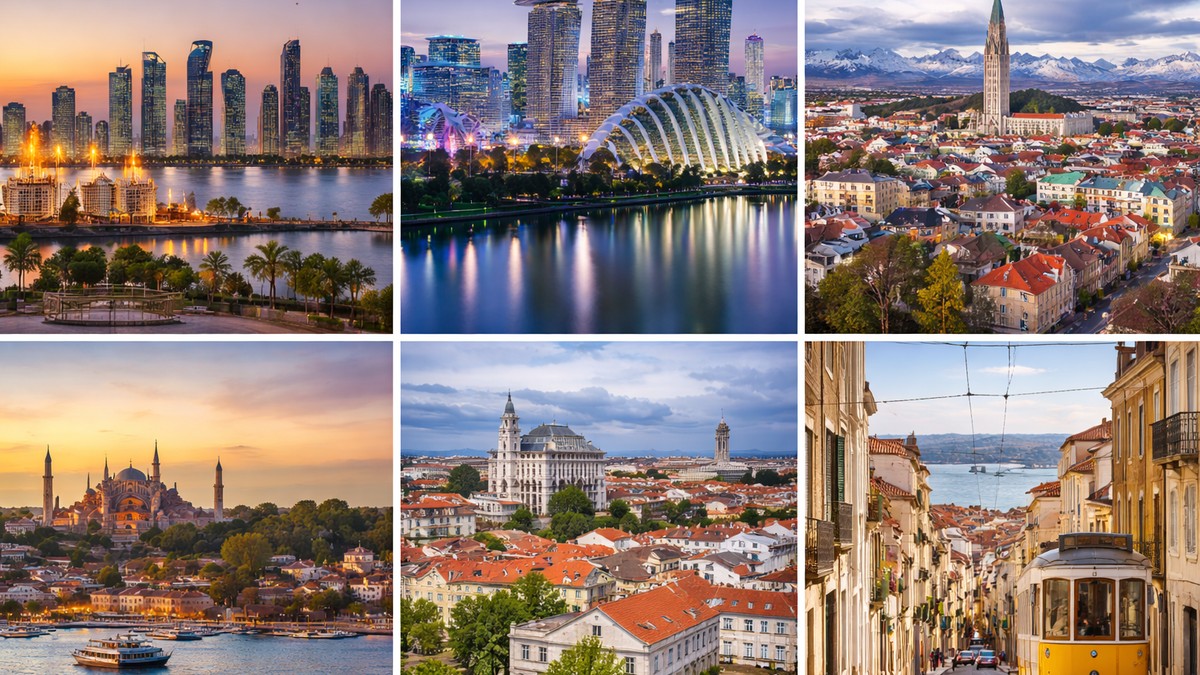
The best stopovers are not accidental layovers. They are carefully engineered micro itineraries that compress culture, cuisine, and comfort into 24 to 48 high impact hours.
Here is the non obvious truth. The smartest stopover is less about geography and more about friction. The cities that win are those where transfer time is minimal, the experience density is high, and the logistics are painless.
Best Destinations for Short Stopovers are not just pretty places near airports. They are cities built for speed.
The Stopover Strategy Shift
Why short stays matter more than ever
Global passenger traffic is projected to double by 2040 according to IATA. At the same time corporate travelers are under pressure to reduce trip length while maintaining productivity. Leisure travelers are splitting long haul trips into multi city journeys to justify airfare.
This creates a clear opening. Short stopovers are no longer inconvenience. They are product.
Airlines have recognized this. Several Gulf carriers report double digit growth in stopover program participation in recent years estimate. Iceland built an entire tourism strategy around this model, promoting free stopovers for transatlantic passengers.
The commercial case for selling stopovers
One European agency group I spoke with began proactively offering one night stopovers on long haul itineraries to Asia. Within six months they increased average booking value by 14 percent across those routes. The key was simple. Curate one high value experience and one premium hotel night.
Another mid size corporate focused agency introduced structured Doha stopovers for clients connecting between Europe and Australia. Of 320 eligible bookings in one quarter, 27 percent opted in. Incremental revenue per booking averaged 380 euros.
Stopovers are no longer add ons. They are margin engines.
Best Destinations for Short Stopovers
Here are five cities that consistently perform for short stays.
Doha
Doha works because it is built around transit. Hamad International Airport consistently ranks among the world best for passenger experience. The city is compact and modern.
Within 24 hours a traveler can visit the Museum of Islamic Art, stroll along the Corniche, explore Souq Waqif, and dine at a waterfront restaurant.
Visa free or visa on arrival access applies to many nationalities estimate. Transfer time from airport to central Doha is often under 20 minutes. That is critical.
Singapore
Singapore is arguably the gold standard. Changi Airport handles over 60 million passengers annually estimate and is repeatedly ranked among the world top airports.
The city center is reachable in around 20 minutes. In one day clients can explore Gardens by the Bay, hawker centers, Marina Bay skyline, and cultural districts like Kampong Glam.
One Asia based agency reported that structured Singapore stopovers increased attachment rates on Australia routes by 19 percent year over year.
Reykjavik
Iceland turned stopovers into a national marketing tool. Icelandair has long promoted free stopovers on transatlantic routes.
Reykjavik is small, walkable, and dramatic. Within 36 hours a traveler can see geysers, waterfalls, and volcanic landscapes through organized tours.
Annual visitor numbers grew dramatically in the decade before 2020, driven in part by stopover strategy estimate. The lesson is clear. Unique nature plus easy logistics equals success.
Istanbul
Few cities pack as much history into such a compact core. Istanbul Airport connects Europe, Asia, and Africa.
Within one day clients can experience Hagia Sophia, the Blue Mosque, the Grand Bazaar, and a Bosphorus cruise.
One global leisure operator noted that premium Istanbul stopovers lifted average booking value by 11 percent on routes to Southeast Asia.
Lisbon
Lisbon works because it feels intimate. The airport is just minutes from the historic center.
Travelers can explore Alfama, Belém, and enjoy ocean views within hours of landing.
Portugal overall has seen sustained tourism growth over the last decade estimate, with Lisbon benefiting heavily from short city break demand.
What Makes a City Ideal for a 24 to 48 Hour Visit
Not every hub qualifies. The winning formula is specific.
Airport efficiency
Short immigration lines and fast transfers matter more than skyline beauty. If airport to hotel time exceeds 45 minutes, perceived value drops sharply.
Compact geography
Walkability reduces friction. A city where major attractions sit within a 3 kilometer radius performs far better for short stays.
Iconic but accessible experiences
One defining experience is essential. A skyline, a museum, a natural phenomenon. Without a clear narrative anchor, the stopover feels random.
Here is a simple evaluation table agencies can use:
| Criteria | High Performing Stopover City | Weak Stopover City |
|---|---|---|
| Airport to city center | Under 30 minutes | Over 60 minutes |
| Attraction density | Multiple icons within short distance | Attractions widely spread |
| Visa process | Visa free or simple arrival process | Complex or time consuming |
| Experience clarity | Clear identity and narrative | No strong defining experience |
| Operational friction | Easy transfers and walkability | Multiple transfers required |
The Economics of a Smart Stopover
Revenue lift opportunities
Stopovers create natural upsell moments. Airport transfers, premium room upgrades, private tours, and dining reservations.
In one anonymized case, a boutique agency packaged a one night Doha stay including airport transfer and museum tour for 520 dollars. Their cost was 410 dollars. Gross margin was approximately 21 percent. Attachment rate reached 24 percent on eligible itineraries.
Hotel price dynamics
Short stays also create price volatility opportunities. Hotel rates fluctuate significantly between booking and stay date, particularly in transit cities with event driven demand.
This is where post booking monitoring becomes commercially relevant. Agencies that monitor hotel rates after confirmation can rebook at lower rates when possible, protecting margin or passing savings to clients.
One agency using automated monitoring across stopover bookings identified rate drops on 18 percent of eligible hotel reservations in a quarter estimate. Average saving per booking was 63 dollars.
Multiply that across volume and stopovers become more profitable than many long stays.
What this means for travel agencies
Packaging and positioning
Do not present stopovers as optional nights. Present them as curated micro experiences. Create a branded one day program with named highlights.
Operational execution
Pre arrange transfers. Provide a tight hour by hour outline. Eliminate decision fatigue. The client has limited time. Clarity equals satisfaction.
Margin optimization
Bundle experiences. Negotiate preferred rates with 2 or 3 core hotels near the airport or city center. Monitor rate fluctuations after booking. Even small savings compound across volume.
Stopovers should not be left to chance. They should be systematized products.
Quick takeaways
• The best stopovers minimize friction and maximize experience density
• Airport proximity and visa simplicity are critical decision factors
• Structured packaging increases attachment rates and revenue
• Hotel rate monitoring can protect or expand margins
• Stopovers are strategic products, not incidental layovers
Common mistakes
• Choosing cities based on popularity rather than logistics
• Ignoring transfer times from airport to center
• Failing to pre curate a clear one day narrative
• Underpricing add on services and transfers
• Neglecting post booking hotel rate movements
Conclusion
Stopovers are no longer filler nights between long haul flights. They are high yield micro itineraries that reward precision. The best destinations for short stopovers combine airport efficiency, concentrated experiences, and logistical simplicity. For agencies, they represent controlled margin expansion, higher booking values, and stronger differentiation.
Handled casually, a stopover is a layover. Handled strategically, it becomes a product.
That distinction is where the revenue lives.