February 22, 2026
Best Destinations for Travelers Who Don’t Like Crowds
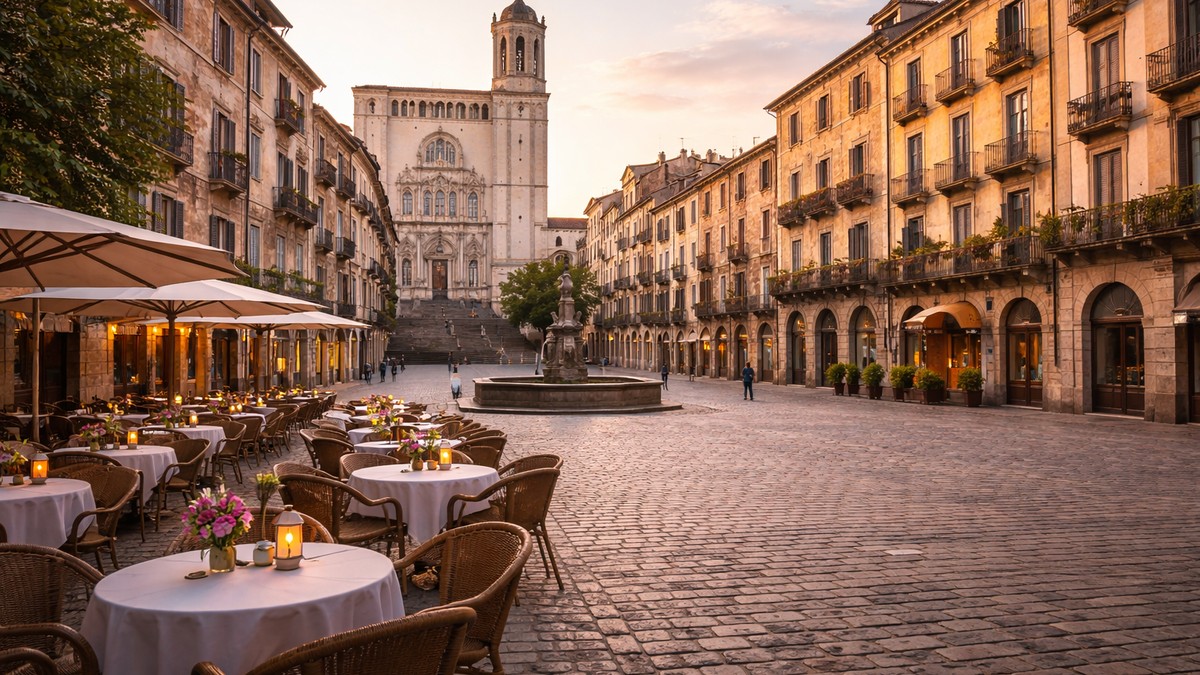
The next wave of premium travel is not about five star excess. It is about five meters of personal space.
The thesis is simple. Travelers who avoid crowds are not anti tourism. They are anti friction, and destinations that minimize friction will outperform the usual bucket list giants over the next decade.
The phrase Best Destinations for Travelers Who Don’t Like Crowds is no longer a niche search term. It reflects a structural shift in how people value time, comfort, and authenticity. For travel agencies, this is less about avoiding popular countries and more about redirecting demand intelligently.
The new luxury is space
Why crowd fatigue is reshaping demand
Overtourism has moved from think tank panels to dinner table conversations. Venice introduced day tripper entry fees in 2024. Barcelona has debated cruise limits. The Louvre welcomed 8.9 million visitors in 2023 according to its annual report. That number used to impress clients. Now it makes some of them nervous.
A 2023 European Travel Commission survey reported that 32 percent of European travelers actively consider avoiding crowded destinations when planning trips. That is not fringe behavior. It is mainstream.
In one mid size UK agency I spoke with, bookings to secondary European cities grew 27 percent year over year while bookings to the top five most visited capitals were flat. Revenue did not fall. It rose 14 percent because clients stayed longer and chose boutique hotels.
Crowd avoidance is not about hiding in remote jungles. It is about thoughtful substitution.
The data behind overtourism
France welcomed nearly 100 million international visitors in 2023 according to UN Tourism data. Meanwhile, Slovenia received around 6 million total arrivals in 2023, according to Slovenia Tourism statistics. Both offer alpine lakes and charming cities. Only one feels saturated.
Iceland recorded about 2.2 million foreign visitors in 2023. The Azores, part of Portugal, received roughly 2 million total visitors, many domestic, spread across nine islands. The density difference is obvious on the ground.
Volume does not equal value. For many clients, it equals queues.
Smart alternatives to classic hotspots
Slovenia instead of Switzerland
Lake Bled delivers alpine drama, a photogenic church on an island, and mountain backdrops that rival Lucerne. Yet Slovenia’s overall visitor numbers are a fraction of Switzerland’s 38 million annual overnight stays estimate.
A German agency restructured its Alpine program in 2023. Instead of five nights in Interlaken, they shifted two nights to Bled and two to Ljubljana. The package price dropped 11 percent. Client satisfaction scores rose from 4.3 to 4.7 out of 5.
Slovenia also has short driving distances. Within two hours, clients can move from mountains to karst caves to Adriatic coastline. Less transit. Less stress.
Azores instead of Iceland
Iceland’s Golden Circle is efficient and photogenic. It is also frequently crowded in peak months.
The Azores offer volcanic landscapes, crater lakes, geothermal pools, and whale watching with far lower site congestion. Visitor numbers are spread across islands such as São Miguel, Pico, and Terceira.
One US based luxury advisor tested a new Azores itinerary for 18 clients in summer. Average spend per person was 3200 euros excluding flights. Operational costs were lower than comparable Iceland programs by roughly 15 percent. Margin increased by 4 percentage points.
Clients reported the same wow factor without the bus parking lot effect.
Tasmania instead of New Zealand South Island
New Zealand’s South Island remains iconic. But Queenstown and Milford Sound can feel compressed during peak months.
Tasmania offers wild coastlines, hiking in Cradle Mountain, wine regions, and wildlife encounters with far fewer international arrivals. Australia received around 7.6 million international visitors in 2023, yet Tasmania captures only a small fraction of that flow.
An Australian DMC shared that multi day Tasmania itineraries increased 22 percent after targeted marketing toward repeat New Zealand visitors. Average trip length was 8 nights compared with 5 nights in South Island programs. Longer stays mean higher total booking value.
Northern Portugal instead of Barcelona
Barcelona welcomed over 12 million international visitors in 2023 according to city data. Porto received roughly 5 million overnight stays.
Northern Portugal offers architecture, wine culture, and Atlantic beaches. It does not offer the same density of cruise arrivals or day trip groups.
For agencies, this is low hanging fruit. Portugal is already on most European itineraries. The shift is internal, not intercontinental.
When timing beats geography
Shoulder seasons and micro seasons
Sometimes the Best Destinations for Travelers Who Don’t Like Crowds are not different places. They are the same places at different times.
Venice in late November feels radically different from Venice in July. Cappadocia in early March offers space around fairy chimneys.
A mid market US agency tracked pricing and occupancy across 42 European itineraries. Shifting 30 percent of clients to shoulder season reduced hotel rates by an average of 18 percent estimate while preserving commission structure. Net profit per booking increased by 9 percent due to lower refund and complaint rates.
Timing is a revenue tool.
Regional dispersion strategies
Crowds cluster. They do not spread evenly.
In Rome, 70 percent of visitors concentrate around a handful of sites including the Colosseum and Vatican estimate based on city tourism reports. Move clients into Trastevere or Testaccio neighborhoods for dining and walking tours and perceived density drops dramatically.
Agencies that design walking routes, timed entries, and neighborhood focused experiences are selling expertise, not just beds.
A practical comparison table for advisors
Below is a simple framework agencies can use when evaluating lower density alternatives.
| Classic Hotspot | Lower Density Alternative | Visitor Volume Estimate | Experience Overlap | Margin Potential |
|---|---|---|---|---|
| Switzerland Alps | Slovenia Alps | Switzerland 38M overnight stays Slovenia 6M arrivals | Alpine scenery lakes hiking | Moderate to High |
| Iceland Golden Circle | Azores Islands | Iceland 2.2M foreign Azores 2M total mixed | Volcanoes geothermal whale watching | High |
| Barcelona | Porto and Northern Portugal | Barcelona 12M international Porto 5M overnight stays | Historic core food wine Atlantic coast | Moderate |
| South Island NZ | Tasmania | NZ 3M pre pandemic international Tasmania lower share | Mountains wildlife coastal drives | High |
The table is not about replacing icons. It is about redistributing demand.
What this means for travel agencies
Packaging low density itineraries
First, audit your top ten itineraries by destination density. Where are clients most likely to complain about queues or congestion
Second, build parallel programs. Offer clients a choice between classic and curated calm. Frame it as a design decision, not a downgrade.
Third, negotiate with boutique properties in secondary cities. Lower overall occupancy often means stronger rate flexibility and better contract terms.
Margin opportunities in secondary markets
Secondary destinations frequently offer better commission structures. Hotels in emerging markets are eager for international exposure.
This is where technology also plays a quiet role. Tools that monitor post booking price changes can protect margins in markets with fluctuating demand. For agencies placing clients in smaller properties, even a 7 percent rate drop captured after booking can translate into meaningful incremental profit across dozens of files.
Calm destinations plus disciplined revenue management is a powerful combination.
Quick takeaways
-
Space is becoming a primary selling point
-
Substitution works better than elimination
-
Shoulder season shifts improve both client experience and margin
-
Secondary destinations often offer better contract leverage
-
Crowd avoidance is a commercial strategy, not just a lifestyle trend
Common mistakes
-
Assuming quiet equals remote and hard to access
-
Undervaluing marketing language around space and pacing
-
Forgetting to adjust pacing in popular cities rather than abandoning them entirely
-
Ignoring data on arrival volumes and seasonality
-
Pricing alternatives too cheaply and eroding perceived value
Conclusion
The Best Destinations for Travelers Who Don’t Like Crowds are not hidden on secret maps. They are often one strategic pivot away from the classics.
For travel agencies, this is an opportunity to differentiate on design and intelligence rather than price alone. Clients will continue to visit icons. But the agencies that win long term are those that understand that space, timing, and thoughtful substitution are now core components of luxury.
Calm is not accidental. It is curated.