March 12, 2026
Best Natural Wonders in South Africa: A Smart Travel Guide
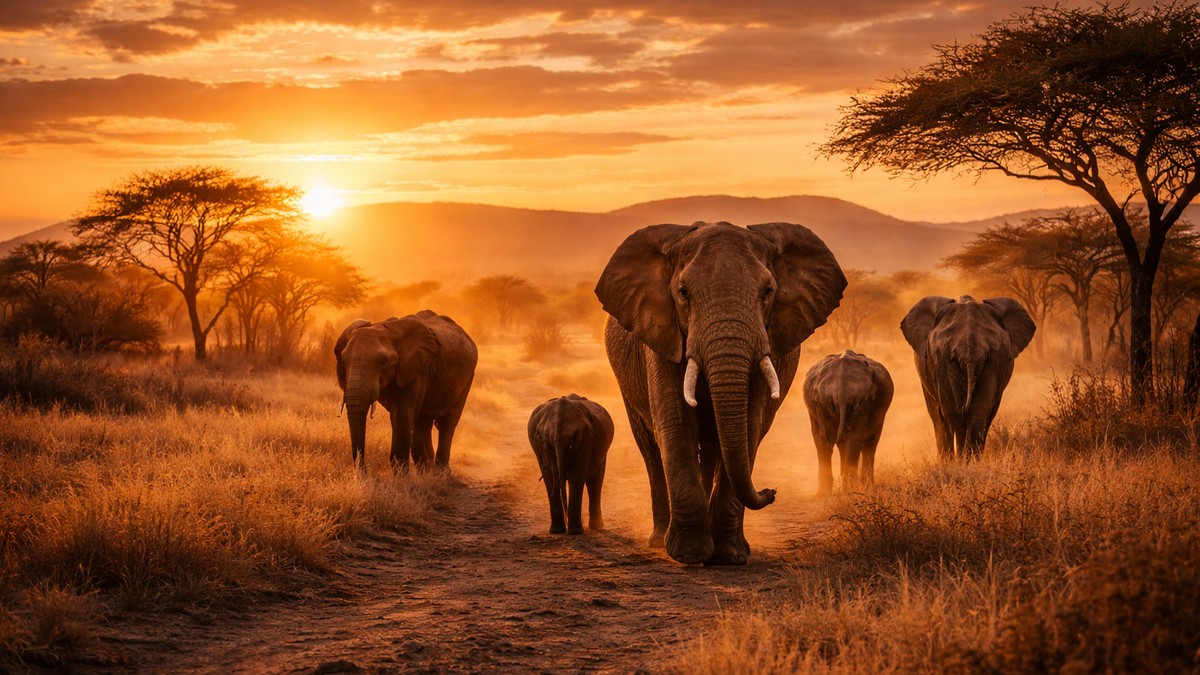
South Africa is often marketed through a single image. A safari vehicle surrounded by wildlife.
That image is powerful but incomplete.
The reality behind the Best Natural Wonders in South Africa is that the country contains one of the most geographically diverse landscapes on the planet. Within a single trip travelers can experience mountain ranges, dramatic coastlines, ancient canyons, and some of the world’s richest wildlife ecosystems.
The key insight is simple. South Africa’s greatest natural advantage is accessibility. Unlike many wilderness destinations, these landscapes are connected by modern infrastructure that allows travelers to explore multiple ecosystems within one itinerary.
For travel planners and agencies, this makes South Africa unusually flexible when designing high impact trips.
Why South Africa’s Natural Landscapes Are Unique
Geographic diversity
South Africa occupies the southern tip of the African continent and spans roughly 1.22 million square kilometers according to World Bank estimates.
Within that space the country includes:
• mountains
• savannah ecosystems
• coastal cliffs
• semi desert landscapes
• subtropical forests
This diversity is one reason South Africa contains three biodiversity hotspots recognized by Conservation International.
Few countries offer such environmental range.
Accessibility for travelers
Another advantage is infrastructure.
Major natural landmarks are connected by national highways and regional airports. This makes it possible to combine landscapes that would normally require separate trips.
Real world example
A travel group flying into Cape Town explored Table Mountain and the Cape Peninsula before continuing to the Garden Route. The entire nature focused itinerary covered three major landscapes within six days of travel.
Table Mountain and the Cape Peninsula
One of the world’s most recognizable natural landmarks
Table Mountain towers 1,086 meters above Cape Town and is one of the most iconic landscapes in Africa.
The mountain forms part of Table Mountain National Park which attracts roughly 4 million visitors annually according to South African National Parks estimates.
Visitors can reach the summit by hiking trails or cable car.
Real world example
A couple visiting Cape Town chose the cable car option at approximately R420 per adult round trip. The summit views over the Atlantic coastline became the defining experience of their trip.
Cape of Good Hope landscapes
Further south along the peninsula lies the Cape of Good Hope.
This rugged coastal reserve features:
• dramatic cliffs
• coastal wildlife
• ocean viewpoints
It forms part of the Cape Floral Kingdom, the smallest but richest plant kingdom on Earth with more than 9,000 plant species according to UNESCO data.
Kruger National Park and Wildlife Ecosystems
The safari experience
Kruger National Park remains South Africa’s most famous wilderness area.
The park spans about 19,485 square kilometers, making it roughly the size of Israel.
Kruger hosts the well known Big Five wildlife species:
• lions
• elephants
• rhinos
• leopards
• buffalo
Visitor numbers fluctuate seasonally but estimates place annual tourism around 1.8 million visitors.
Biodiversity scale
Kruger contains extraordinary biodiversity including:
• about 147 mammal species
• more than 500 bird species
• nearly 2,000 plant species
Real world example
A small photography group booked a three night safari lodge stay costing roughly $650 per person per night including guided drives. The wildlife sightings dramatically exceeded expectations, including lions and elephants within the first day.
The Garden Route Coastal Landscapes
The Garden Route stretches along South Africa’s southern coast between Mossel Bay and Storms River.
It is one of the country’s most scenic road journeys.
Tsitsikamma National Park
Tsitsikamma National Park combines dense forests with dramatic coastline.
The famous Storms River suspension bridge attracts hikers and photographers alike.
The park protects roughly 80 kilometers of rugged coastline.
Coastal cliffs and forests
The Garden Route region includes:
• coastal cliffs
• lagoons
• indigenous forests
Real world example
A group of business travelers driving the route stopped in Knysna for two nights and spent under $120 per person per day exploring beaches, forests, and local seafood markets.
The Panorama Route and Blyde River Canyon
Canyon viewpoints
Located in Mpumalanga province, the Panorama Route features some of the most dramatic landscapes in southern Africa.
The highlight is Blyde River Canyon, the third largest canyon in the world according to several tourism estimates.
Major viewpoints include:
• God’s Window
• Bourke’s Luck Potholes
• Three Rondavels
Dramatic mountain scenery
The canyon stretches for about 26 kilometers and plunges to depths of roughly 800 meters.
Its lush subtropical vegetation distinguishes it from desert canyons like the Grand Canyon.
Planning Nature Based Itineraries in South Africa
South Africa rewards thoughtful planning.
Distances can be large, but combining key regions creates a remarkably diverse travel experience.
| Region | Natural Highlight | Ideal Visit Time |
|---|---|---|
| Cape Town | Table Mountain Cape Peninsula | Two days |
| Garden Route | Coastal forests and cliffs | Two to three days |
| Kruger Region | Safari wildlife ecosystems | Three to four days |
| Panorama Route | Blyde River Canyon | One day |
Seasonality also matters.
Wildlife viewing in Kruger is often best during the dry winter months between May and September when vegetation is thinner and animals gather near water sources.
Quick takeaways
• South Africa offers exceptional geographic diversity within one country
• Table Mountain is among the most recognizable natural landmarks in Africa
• Kruger National Park is one of the largest wildlife reserves on Earth
• The Garden Route combines coastline forests and scenic drives
• Blyde River Canyon provides one of the most dramatic landscapes in southern Africa
What this means for travel agencies
South Africa is particularly strong for multi landscape itineraries.
Travel agencies can design experiences that combine wildlife, coastlines, and mountains without overwhelming travel time.
Effective strategies include:
• pairing Cape Town visits with Garden Route extensions
• combining Kruger safaris with Panorama Route scenic drives
• designing wildlife and coastal itineraries for repeat travelers
Accommodation pricing can fluctuate significantly during peak safari seasons.
Platforms like Rebookify allow agencies to monitor hotel and lodge rates after booking and automatically rebook when prices drop. Agencies using this approach have reported savings of 10 to 17 percent on luxury safari lodges.
Common mistakes
• planning too little time for safari experiences
• ignoring seasonal wildlife viewing conditions
• trying to drive the entire Garden Route in one day
• skipping lesser known viewpoints on the Panorama Route
• assuming South Africa is only about safari parks
Conclusion
The Best Natural Wonders in South Africa go far beyond the safari images most travelers recognize.
Mountains rise above coastal cities. Ancient canyons cut through subtropical forests. Wildlife reserves protect some of the richest ecosystems on Earth.
Few destinations offer this level of natural diversity combined with accessible travel infrastructure.
For travelers and travel planners alike, South Africa remains one of the most rewarding countries in the world for exploring nature.