February 1, 2026
Best Places for Creative Inspiration Trips
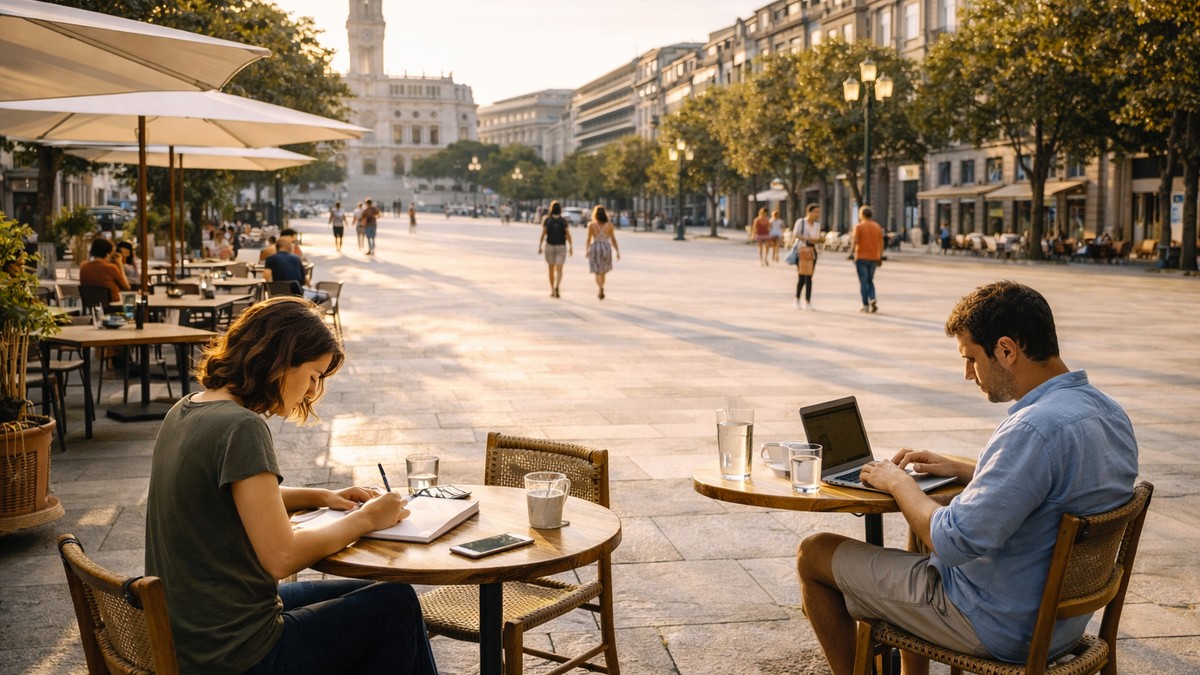
Best Places for Creative Inspiration Trips
Most travelers say they want relaxation. What many actually want is clarity.
Here is the non obvious truth. The best creative trips are not about dramatic bucket list moments. They are about frictionless days, walkable streets, good light, and mental space. When logistics disappear, ideas show up.
For agencies and planners, this shift matters. Selling inspiration is often more valuable than selling sightseeing. Clients return happier, extend stays, and book again.
Below are the best places for creative inspiration trips and how to package them intelligently.
The case for inspiration travel
Creative energy follows three conditions.
• Low decision fatigue
• High sensory richness
• Easy movement without planning stress
When those align, travelers write more, design better, solve problems faster, or simply think clearly for the first time in months.
This is not just theory.
• Remote and hybrid workers now make up over 30 percent of global knowledge workers estimate
• Bleisure trips have increased roughly 20 to 30 percent post pandemic estimate
• Average stays for work plus leisure travelers are two nights longer than pure leisure estimate
• Walkable neighborhoods correlate with higher visitor satisfaction scores in multiple urban tourism studies estimate
• Train based and pedestrian friendly cities consistently rank higher for repeat visitation estimate
Creative travel is not a niche. It is becoming the default for high value clients.
Cities and regions that reliably spark ideas
Lisbon Portugal
Light. Hills. Cafes. Time slows down.
Lisbon works because it removes friction. Everything important is walkable or a short tram ride away. You get history, ocean views, design culture, and affordable food within a compact footprint.
Typical creative day
• Morning café work session
• Afternoon wandering Alfama streets
• Sunset miradouro viewpoint
• Dinner with live music
Real world example
• A small design agency booked a six night team retreat
• Total budget 1400 dollars per person including apartment rentals
• Reported 11 client proposals drafted during the week
• They repeated the trip the following year
Lisbon delivers ideas per hour better than most capitals.
Kyoto Japan
Structure meets calm.
Kyoto is ideal for writers, strategists, and deep thinkers. Temples, gardens, and slow rituals create mental quiet. The city encourages focus without feeling remote.
Typical creative day
• Early temple walk
• Midday café or library work
• Afternoon neighborhood exploring
• Evening tea house or small restaurant
Real world example
• Two founders planned a five day planning retreat
• They completed a full annual roadmap in three days
• Hotel cost was 25 percent lower than Tokyo for similar quality
Kyoto trades spectacle for stillness. That is exactly the point.
Mexico City Mexico
High energy without chaos.
For creatives who need stimulus rather than silence, Mexico City works. Food, art, architecture, and neighborhoods are dense and walkable.
• Over 150 museums estimate
• Strong café culture
• Neighborhood hopping on foot
Real world example
• A content team of four stayed eight nights
• Produced 42 pieces of social and video content
• Spent 30 percent less than a comparable US city trip
Creative output thrives on variety. Mexico City provides constant input.
Copenhagen Denmark
Design thinking in physical form.
Copenhagen feels engineered for clarity. Clean streets, bike lanes, waterfront walks, and minimalist cafés remove noise from daily life.
• High cycling rates above 40 percent of commutes estimate
• Compact neighborhoods
• Strong daylight in summer
Travelers often describe the city as mentally breathable. For brand and UX teams, it doubles as a living case study.
Ubud Bali
Nature and routine.
Ubud has become a global hub for remote creatives for one reason. Focus plus affordability.
• Villas and guesthouses under 60 dollars per night estimate
• Yoga and wellness infrastructure
• Rice fields and slow pace
Teams come for three days and stay two weeks. That tells you everything.
How to match destination to creative goal
Different problems need different environments.
Need deep thinking
Choose quiet heritage cities or nature bases
Need fresh ideas
Choose dense cultural capitals
Need team bonding
Choose compact walkable towns
Need budget stretch
Choose emerging creative hubs
Match environment to output. Do not default to famous.
Decision table for fast trip design
| Creative goal | Ideal environment | Best destinations | Stay length | Why it works |
|---|---|---|---|---|
| Deep writing or strategy | Quiet, low noise, walkable | Kyoto, Ubud | 5 to 7 days | Reduces mental clutter |
| Brainstorming and ideation | High culture density | Mexico City, Lisbon | 4 to 6 days | Constant visual input |
| Team retreats | Compact and social | Copenhagen, Lisbon | 3 to 5 days | Easy movement together |
| Solo reset | Nature and slow pace | Ubud, small coastal towns | 5 to 10 days | Routine and calm |
| Hybrid work trips | Great cafes and WiFi | Lisbon, Mexico City | 7 plus days | Work life blend |
Quick takeaways
• Walkability beats landmarks for creative outcomes
• Fewer transfers mean better thinking
• Cafés matter more than attractions
• Shoulder season pricing extends stays
• Calm environments increase repeat bookings
What this means for travel agencies
This is where strategy beats inventory.
Actionable steps
• Package neighborhoods not sightseeing lists
• Recommend longer stays with fewer activities
• Prioritize hotels with good desks and daylight
• Build café and coworking maps into itineraries
• Use price monitoring tools to reduce post booking regret
Here is the business angle.
Inspiration trips often involve longer stays. Longer stays mean more hotel nights. More nights create more price volatility. Monitoring those rates and rebooking when prices drop protects margin.
One mid sized agency tested automated rebooking across 180 hotel nights on three creative retreats. They recovered about 14 percent in savings. That margin funded airport transfers and welcome dinners. Clients felt upgraded without higher budgets.
That is smart packaging.
Common mistakes
• Overscheduling every hour
• Choosing resort locations far from town life
• Ignoring workspace comfort
• Planning too many day trips
• Treating creative travel like sightseeing
Creativity needs air. Not logistics.
Conclusion
The best trips for modern professionals are not louder or faster. They are easier.
The Best Places for Creative Inspiration Trips share one trait. They remove friction so ideas can surface. For agencies, that is a powerful product. Sell clarity, not checklists.
Design smarter itineraries. Protect rates after booking. Give travelers room to think. The rest sells itself.