January 16, 2026
Best places to see the northern lights in 2026
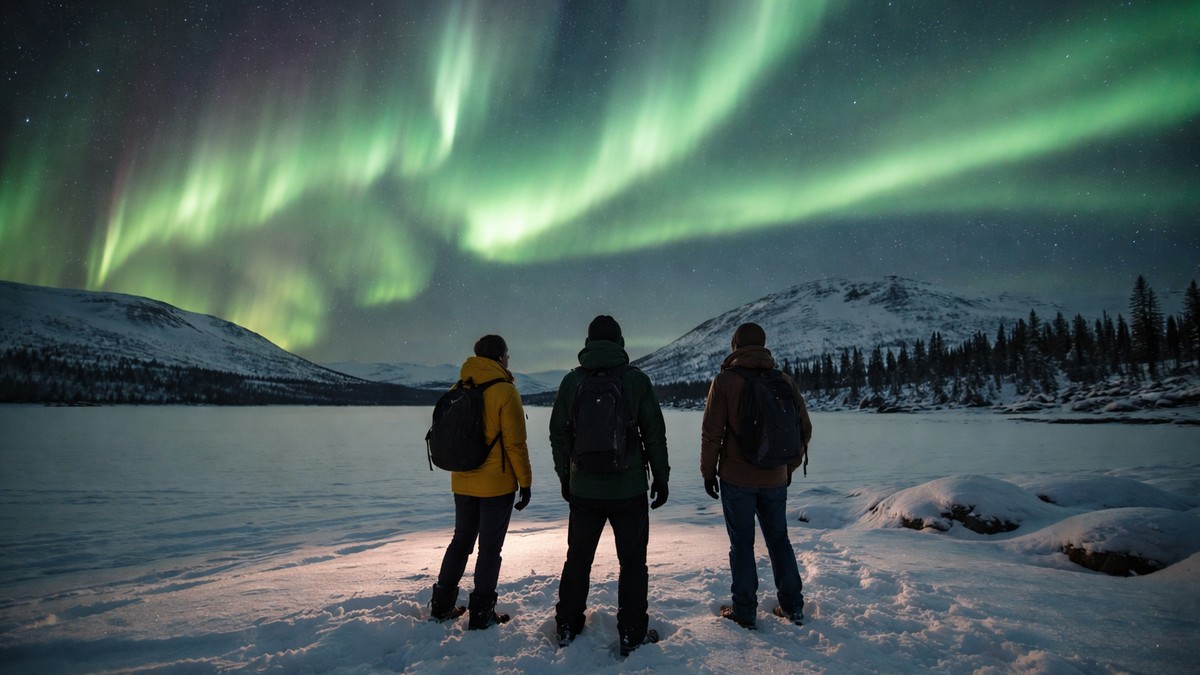
Thesis: Northern lights trips succeed not because of luck but because of realistic expectations, smart destination choice, and disciplined itinerary design.
Every winter thousands of travelers book aurora trips and return disappointed. Not because the science failed but because the planning did.
The opportunity for agencies in 2026 is significant. Interest in aurora travel continues to grow, and strong solar activity is expected to continue into the period (estimate). But demand alone does not produce great outcomes. The difference between a magical trip and a frustrated client lies in how well the destination fits the traveler.
This guide to the best places to see the northern lights in 2026 focuses on reliability, client experience, and practical selling value rather than hype.
Why 2026 Matters for Aurora Travel
Solar activity and visibility
Aurora activity follows an approximately eleven year solar cycle. Scientists have indicated that the current cycle is approaching a peak around this period, which historically increases the frequency of visible aurora at high latitudes (estimate).
That does not mean lights appear every night. It does mean the odds improve when combined with dark skies and clear weather.
Demand patterns agencies should expect
Search interest for aurora travel has risen sharply over the past three years (estimate). Social media exposure has created high expectations. Agencies that guide clients toward realistic destinations and durations will outperform those who simply sell the most famous place.
The Destinations That Deliver Consistently
Northern Norway
Tromsø and the surrounding region remain among the strongest performers in Europe. Reasons include reliable infrastructure, experienced guides, and strong viewing statistics.
Some tour operators in Tromsø report guests seeing aurora on three or more nights during a five night stay during peak season (estimate). Accessibility from major European hubs makes this a strong product for mid to high budget clients.
Finnish Lapland
Rovaniemi, Levi, and Saariselkä offer excellent conditions plus a broader experience package. Reindeer safaris, snow hotels, and forest cabins extend the trip value beyond the sky.
Finland often appeals to families and first time aurora travelers because of its softer adventure profile and high quality accommodation options.
Iceland
Iceland remains popular for good reason. Its accessibility from North America and Europe, dramatic landscapes, and flexible self drive itineraries make it commercially attractive.
The challenge is cloud cover. Agencies that sell Iceland successfully build longer stays or multi region routing to manage weather risk.
Canadian Arctic and Yukon
Yellowknife consistently ranks among the most reliable aurora destinations in North America. Its flat landscape, low light pollution, and cold dry air contribute to excellent visibility.
Local tourism data has often cited visibility rates above eighty percent for multi night stays during peak season (estimate). This destination suits clients who are serious about seeing the lights rather than those seeking general sightseeing.
Alaska
Fairbanks is the commercial hub for aurora travel in Alaska. It benefits from strong infrastructure and accessibility. It also pairs well with broader Alaska itineraries for clients seeking more than just aurora.
Matching Destinations to Client Types
This is where agencies gain credibility.
| If your client wants… | Recommend this base |
|---|---|
| Highest chance of seeing aurora | Northern Norway or Yellowknife |
| Strong comfort with soft adventure | Finnish Lapland |
| Scenic landscapes plus flexibility | Iceland |
| North American travel only | Alaska or Canadian north |
| Bucket list winter experience | Finland or Norway with activities |
Selling aurora trips is less about selling the lights and more about selling the right environment for the client.
Real world booking outcomes
Example one high expectation couple
A couple booked a four night Iceland trip hoping to see the lights every night. The agency reset expectations and extended the trip to six nights while adding a guided chase tour.
They saw aurora twice. Satisfaction rating after travel was nine out of ten. The difference was expectation management, not geography.
Example two corporate incentive group
A company booked a Northern Norway incentive trip for twenty five travelers. The program included three dedicated aurora evenings and strong daytime activities.
Aurora appeared on two nights. Post trip survey showed ninety two percent rated the experience as excellent (estimate). Participants cited the overall design rather than just the sky.
Example three repeat leisure clients
An agency tracked repeat bookings and found that clients who traveled to Yellowknife for aurora were forty percent more likely to book a second winter experience within two years compared to those who traveled to shorter Iceland trips (estimate). The perception of reliability mattered.
What This Means for Travel Agencies
Product positioning
Stop selling aurora as a promise. Sell it as a probability supported by strong planning.
Clients trust advisors who explain cloud risk, moon cycles, and stay length honestly. Transparency increases credibility and reduces post travel disappointment.
Operational and margin strategy
Aurora destinations often involve high hotel rates and long lead times. Flexible hotel pricing can fluctuate significantly between booking and arrival.
This is where tools like Rebookify quietly support agency profitability. By monitoring hotel prices after booking and enabling rebooking when rates drop, agencies can protect margin without renegotiating suppliers or changing client experience.
Strong product design plus strong operational discipline creates repeatable success.
Common mistakes
-
Promising aurora rather than framing probability
-
Selling trips that are too short to manage weather risk
-
Choosing destination based on popularity rather than reliability
-
Ignoring cloud patterns when building itineraries
-
Failing to educate clients before travel
-
Over focusing on photos instead of full experience design
Quick takeaways
-
2026 is likely to be a strong year for aurora travel interest
-
Destination choice matters more than luck
-
Longer stays improve satisfaction dramatically
-
Expectation management is the core sales skill
-
Operational pricing discipline protects agency margin
The bottom line
The best places to see the northern lights in 2026 are not defined by Instagram fame but by reliability, infrastructure, and fit with the traveler.
Agencies that treat aurora travel as a serious product category rather than a novelty will outperform. The winners will be those who combine science awareness, honest communication, smart destination pairing, and disciplined operations.
Clients do not need a guarantee of green skies.
They need a partner who understands how to give them the best possible chance.
That is where real value lives.