March 13, 2026
Best Places To Visit In Germany For a Multi City Journey
Germany often surprises travelers.
Many visitors expect historic castles and beer gardens. They find those of course. But they also discover modern architecture creative neighborhoods dramatic landscapes and one of Europe’s most efficient transportation networks.
The key insight is simple.
The best places to visit in Germany reveal themselves when travelers treat the country as a connected journey rather than a single city destination.
Germany’s geography allows travelers to move quickly between vibrant cities river valleys and alpine landscapes. High speed trains link major destinations in just a few hours making multi city itineraries remarkably practical.
Why Germany Works As A Multi Destination Trip
Transportation advantage
Germany has one of Europe’s most extensive rail networks.
The Deutsche Bahn high speed system connects major cities including Berlin Munich Frankfurt and Hamburg.
For example:
• Berlin to Munich by high speed train takes about four hours
• Frankfurt to Cologne takes about one hour
• Munich to Salzburg takes about ninety minutes
Germany welcomed roughly 39 million international visitors in 2019 according to the German National Tourist Board.
A large share of those travelers move between multiple regions during one trip.
Regional diversity
Germany’s landscapes shift dramatically depending on where you travel.
Visitors can explore:
• historic capitals
• wine producing river valleys
• alpine mountains
• coastal harbor cities
This diversity is one reason Germany remains one of Europe’s most popular destinations.
Real world example
A travel company redesigned its Germany itinerary from a single city stay to a ten day route covering Berlin Munich and the Rhine Valley.
The package price increased by about 35 percent while customer satisfaction scores improved significantly estimate.
Berlin: Culture History and Modern Energy
Berlin stands apart from most European capitals.
Its modern identity grew from dramatic twentieth century history including the Cold War and the fall of the Berlin Wall.
Museums and history
The city’s Museum Island complex is one of Europe’s most important cultural districts.
The island hosts several major institutions including the Pergamon Museum.
Museum Island is recognized as a UNESCO World Heritage Site.
Other historic landmarks include:
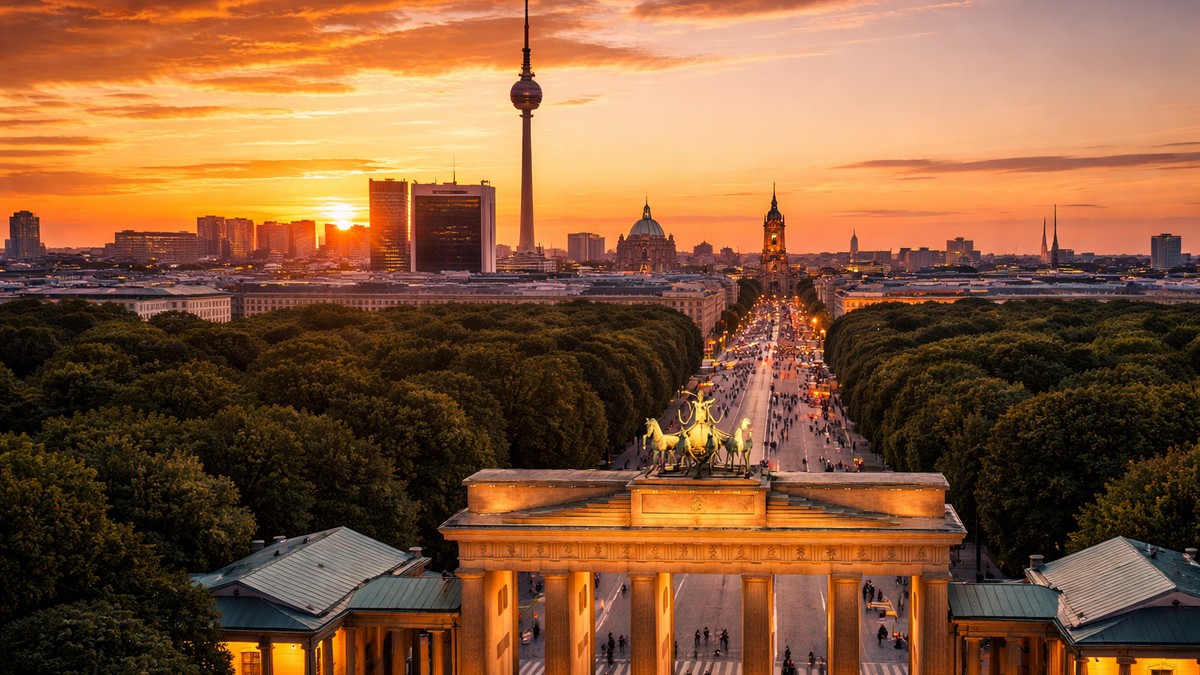
• Brandenburg Gate
• Reichstag Parliament building
• Berlin Wall Memorial
These sites provide a powerful introduction to modern European history.
Creative neighborhoods
Berlin is equally known for its contemporary culture.
Neighborhoods such as Kreuzberg and Friedrichshain attract artists designers and entrepreneurs.
Travelers often spend evenings exploring:
• independent restaurants
• nightlife venues
• street art districts
Example traveler experience
A group of business travelers extended their conference trip by two nights to explore Berlin’s cultural districts. Their additional spending on tours and restaurants averaged around 280 euros per traveler estimate.
Munich and Bavaria: Tradition Meets Alpine Landscapes
Munich represents a different side of Germany.
The Bavarian capital blends historic architecture with a relaxed atmosphere shaped by beer gardens and outdoor culture.
Munich city highlights
Key landmarks include:
• Marienplatz central square
• Nymphenburg Palace
• English Garden park
The English Garden is one of the world’s largest urban parks.
It covers roughly 375 hectares according to Munich city data.
Neuschwanstein Castle and the Alps
Just outside Munich the Bavarian Alps offer some of Germany’s most famous scenery.
Neuschwanstein Castle attracts about 1.5 million visitors annually estimate.
The castle’s dramatic hilltop setting inspired the design of Disney’s Sleeping Beauty Castle.
Many visitors combine Munich with day trips to nearby alpine villages and lakes.
Rhine Valley: Castles Vineyards and River Landscapes
The Rhine Valley provides one of Germany’s most iconic landscapes.
The Upper Middle Rhine Valley is a UNESCO World Heritage region known for castle ruins vineyards and medieval towns.
Scenic river routes
Cruises along the Rhine reveal steep vineyard slopes and hilltop fortresses.
This region contains more than forty historic castles within a sixty kilometer stretch estimate.
Historic villages
Small towns such as Bacharach and Rudesheim offer classic half timbered architecture narrow streets and wine taverns.
Example travel program
A boutique European tour operator introduced a three night Rhine Valley extension costing about 600 euros per traveler including river cruises and wine tastings.
The extension became one of the most requested additions to their Germany itineraries.
Hamburg: Germany’s Maritime City
Hamburg delivers a completely different atmosphere.
Located in northern Germany the city developed around its massive port.
Harbor culture
Hamburg’s harbor is one of Europe’s busiest.
The Port of Hamburg handles roughly 8 million containers annually according to port authority statistics.
The historic Speicherstadt warehouse district now hosts museums cafes and cultural spaces.
Modern architecture
The Elbphilharmonie concert hall has become one of Europe’s most recognizable contemporary buildings.
Its glass structure rises above historic brick warehouses overlooking the harbor.
The contrast between old and new defines Hamburg’s identity.
Planning A Germany Travel Route
Travelers planning a multi city journey should prioritize efficient routes.
| Route Option | Suggested Duration | Highlights |
|---|---|---|
| Berlin Munich Bavaria | 7 days | History and Alpine scenery |
| Frankfurt Rhine Valley Cologne | 5 days | Castles and wine |
| Berlin Hamburg Munich | 10 days | Urban culture and landscapes |
| Munich Salzburg Alps | 6 days | Mountains and lakes |
Germany’s train system makes these itineraries easy to manage without renting a car.
Quick takeaways
• Germany is best experienced through multi city itineraries
• High speed rail makes travel between regions efficient
• Berlin offers cultural depth and modern creativity
• Bavaria delivers castles alpine landscapes and traditional culture
• Rhine Valley towns showcase classic German scenery
Common mistakes
• Spending an entire trip in one city
• Underestimating travel distances between regions
• Skipping smaller historic towns
• Visiting Neuschwanstein without advance planning
• Ignoring Germany’s rail system in favor of complicated driving routes
What this means for travel agencies
Germany offers strong opportunities for structured travel programs.
Agencies can create layered itineraries that combine cultural cities natural landscapes and historic villages.
Effective strategies include:
• Designing routes that connect Berlin Munich and the Rhine Valley
• Offering small group wine and castle tours
• Using high speed rail to simplify logistics
• Adding regional experiences such as Bavarian alpine excursions
Accommodation pricing across German cities can fluctuate depending on trade fairs seasonal tourism and major events.
Tools such as Rebookify allow agencies to monitor hotel prices after booking and automatically rebook lower rates when they appear. Even small price drops across multi city itineraries can significantly improve agency margins.
Conclusion
The best places to visit in Germany reveal themselves when travelers move beyond a single destination.
Berlin provides cultural depth. Bavaria offers alpine landscapes and castles. The Rhine Valley delivers classic European scenery. Hamburg adds maritime character and modern architecture.
Together these regions create one of Europe’s most diverse travel experiences.
For travelers and travel advisors alike the lesson is clear. Germany is not just a destination. It is a journey across landscapes cultures and centuries of history.