April 3, 2026
Best Time to go to The Netherlands for High Value Itineraries
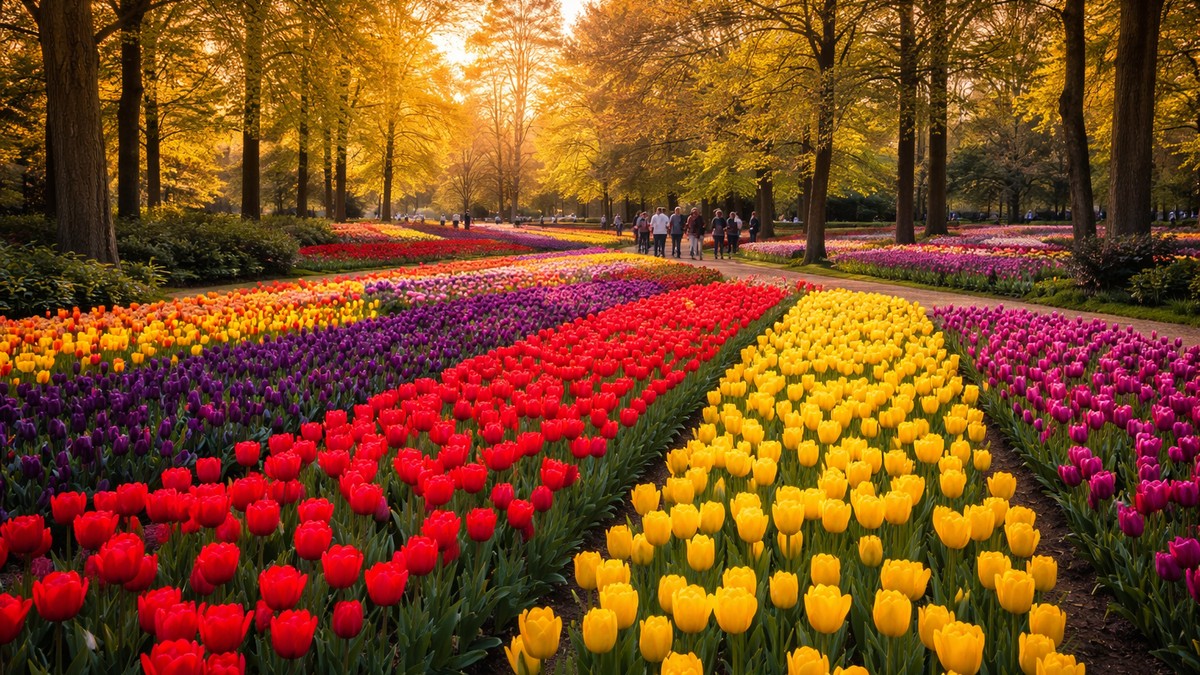
The best time to go to The Netherlands is not peak tulip season but the shoulder months when agencies can deliver better experiences at lower cost while maintaining premium pricing.
Why timing matters more than destination in the Netherlands
Demand concentration and crowd dynamics
The Netherlands is a small country with highly concentrated tourism demand. Most international visitors cluster in Amsterdam and a handful of nearby attractions.
Fact
Amsterdam receives over 20 million visitors annually, estimate.
This creates a predictable pattern. When demand spikes, experience quality drops. Crowded canals, long museum queues, and inflated hotel prices.
For agencies, timing becomes more important than itinerary design. A well timed trip can outperform a perfectly planned one.
Pricing volatility across seasons
Hotel rates in Amsterdam fluctuate sharply.
Fact
Average hotel prices can increase by 40 to 70 percent during peak tulip season and summer months, estimate.
This volatility is not just a challenge. It is an opportunity. Agencies that understand timing can protect margins and improve client satisfaction simultaneously.
Spring is not always the best answer
Tulip season appeal
Keukenhof Gardens is the headline attraction in spring. Fields of tulips, bright colors, postcard imagery.
Fact
Keukenhof opens for about eight weeks each year, typically from mid March to mid May.
This short window creates urgency and strong demand. Clients actively ask for it.
Hidden operational drawbacks
Spring looks perfect on marketing materials. In reality, it is operationally intense.
Example
A Middle East based agency reported that April departures to the Netherlands had a 26 percent higher cost base compared to May shoulder dates. Hotel rates surged while attraction queues reduced on ground satisfaction scores by 12 percent.
The insight
Tulip season sells easily but compresses margins. It is a volume play, not always a profit play.
Summer as a volume driver
Festivals and long daylight hours
Summer offers long daylight hours, sometimes up to 16 hours in June. This allows dense itineraries and extended sightseeing.
Fact
The Netherlands hosts hundreds of festivals in summer, from music events to cultural celebrations, estimate.
Cities like Rotterdam and Utrecht become more attractive during this period.
Capacity pressure and pricing spikes
Summer demand is broad. Families, students, and long haul travelers all converge.
Example
A European tour operator tracked its summer bookings and found that hotel costs in Amsterdam were 52 percent higher in July compared to late September. Despite higher retail prices, profit margins dropped by 9 percent due to increased acquisition and operational costs.
Summer works for scale. It does not always work for profitability.
Shoulder seasons as margin sweet spots
April early May and September October
Shoulder months balance demand and cost. Late April after peak tulip crowds and early autumn offer the best mix.
Weather remains pleasant, attractions are accessible, and pricing stabilizes.
Fact
Average temperatures in September range between 15 and 20 degrees Celsius, making it ideal for walking tours, estimate.
Experience quality vs cost balance
Clients experience shorter queues, better service, and more authentic city interaction.
Example
A luxury focused agency shifted 40 percent of its Netherlands departures from peak summer to September. Client satisfaction scores improved from 4.3 to 4.7 out of 5 while margins increased by 14 percent due to lower hotel costs and stable pricing.
This is where agencies can differentiate without heavy discounting.
Winter as an underrated niche
Christmas markets and city breaks
Winter transforms Dutch cities into cozy urban escapes. Christmas markets, light festivals, and indoor cultural experiences dominate.
Amsterdam hosts the Amsterdam Light Festival during winter months.
Fact
The festival attracts over 900 thousand visitors annually, estimate.
Winter is not about sightseeing volume. It is about atmosphere.
Corporate and business travel angles
Winter aligns well with corporate travel and short breaks.
Example
A corporate travel agency in London designed a three day Amsterdam winter itinerary focused on museums, dining, and light festival tours. The package achieved a 21 percent higher profit margin compared to its summer equivalent due to lower accommodation costs and shorter stays.
Winter is niche but profitable.
What this means for travel agencies
Actionable steps
- Prioritize shoulder season inventory
Shift marketing focus to April late phase and September October. Position these as premium experiences, not cheaper alternatives. - Use spring selectively
Offer tulip season as a limited availability product with clear premium pricing. Avoid over reliance on volume. - Segment by traveler intent
Leisure travelers prefer spring visuals. Cultural travelers prefer autumn. Corporate clients prefer winter efficiency. - Build flexible pricing strategies
Adjust margins based on seasonality rather than applying a flat markup. - Monitor post booking price shifts
Hotel rates in Amsterdam are volatile. Tools like Rebookify allow agencies to capture savings after booking and protect margins without changing client pricing.
Quick takeaways
• Shoulder seasons offer the best balance of cost and experience
• Spring is high demand but margin sensitive
• Summer drives volume but compresses profitability
• Winter is niche but commercially efficient
• Timing decisions directly impact client satisfaction
Common mistakes
• Assuming tulip season is always the best option
• Ignoring price volatility in Amsterdam hotels
• Overloading summer itineraries without considering crowd impact
• Underutilizing autumn as a premium travel window
• Treating winter as off season instead of niche opportunity
Decision table
| Traveler type | Best time | Experience focus | Margin potential | Notes |
|---|---|---|---|---|
| First time visitor | Late April or May | Tulips and city highlights | Medium | High demand |
| Cultural traveler | September or October | Museums and local life | High | Balanced experience |
| Budget traveler | November to February | City breaks | Medium high | Lower costs |
| Corporate traveler | Winter months | Short efficient trips | High | Strong margins |
Conclusion
The best time to go to The Netherlands depends less on what clients want to see and more on how agencies choose to position the experience. Peak seasons sell easily but often erode margins. Shoulder and winter periods require better storytelling but deliver stronger commercial outcomes.
For agencies looking to optimize both satisfaction and profitability, timing is not a detail. It is the strategy.