April 10, 2026
The Best Time to Visit Slovakia: A Complete Seasonal Guide
The best time to visit Slovakia depends less on weather and more on how well agencies align seasonal strengths with the right traveler segment.
Why timing matters more than destination in Slovakia
Seasonal contrast and experience shifts
Slovakia is not a one season destination.
Each season offers a completely different experience.
Spring brings fresh landscapes
Summer delivers outdoor adventure
Autumn offers visual appeal and fewer crowds
Winter creates niche opportunities
Fact
Slovakia experiences strong seasonal variation, with tourism demand peaking in summer and winter months, estimate.
Understanding this variation is key to selling it effectively.
Demand and pricing patterns
Demand directly affects pricing.
Peak seasons drive higher hotel rates and crowd levels, while shoulder seasons offer better value.
Example
A Central European travel agency shifted 30 percent of its Slovakia bookings from July to September. Hotel costs dropped by 22 percent while customer satisfaction increased by 18 percent due to fewer crowds and improved conditions.
Timing drives both cost and experience.
Spring: underrated and high value
Landscapes and fewer crowds
Spring in Slovakia is often overlooked.
But this is when landscapes come alive.
Green valleys, blooming flowers, and quieter attractions create a relaxed experience.
Fact
Spring months see lower tourist volumes compared to peak summer, estimate.
This makes it easier to manage itineraries.
Pricing advantages
Accommodation and transport costs are generally lower.
This allows agencies to offer competitive pricing or improve margins.
Example
A regional operator introduced spring focused Slovakia packages. Average booking costs dropped by 19 percent while maintaining the same retail pricing, increasing profitability without reducing demand.
Spring is a margin opportunity.
Summer: peak demand and outdoor appeal
High Tatras and hiking season
High Tatras are the main draw during summer.
Hiking, scenic views, and outdoor activities attract a wide range of travelers.
Fact
The High Tatras are among the most visited natural regions in Slovakia during summer months, estimate.
This is the season when Slovakia feels most active.
Managing crowds and costs
Summer also brings higher prices and increased crowd levels.
Agencies need to manage expectations and plan accordingly.
Example
A UK based agency introduced early morning hiking schedules and alternative routes in the High Tatras. This reduced congestion and improved overall experience ratings by 15 percent.
Peak season requires smarter planning.
Autumn: the smartest season for agencies
Foliage and balanced demand
Autumn is arguably the best overall season.
Fewer crowds than summer
Better pricing
Strong visual appeal
Forests turn vibrant, creating ideal conditions for scenic travel.
Fact
Autumn months offer a balance of moderate weather and lower tourist density, estimate.
Experience quality vs pricing
This is where value peaks.
Clients get near peak experiences at lower costs.
Example
A travel company promoted October departures for Slovakia. Conversion rates increased by 20 percent due to strong visual marketing and competitive pricing.
Autumn is the sweet spot.
Winter: niche but high margin
Ski resorts and festive travel
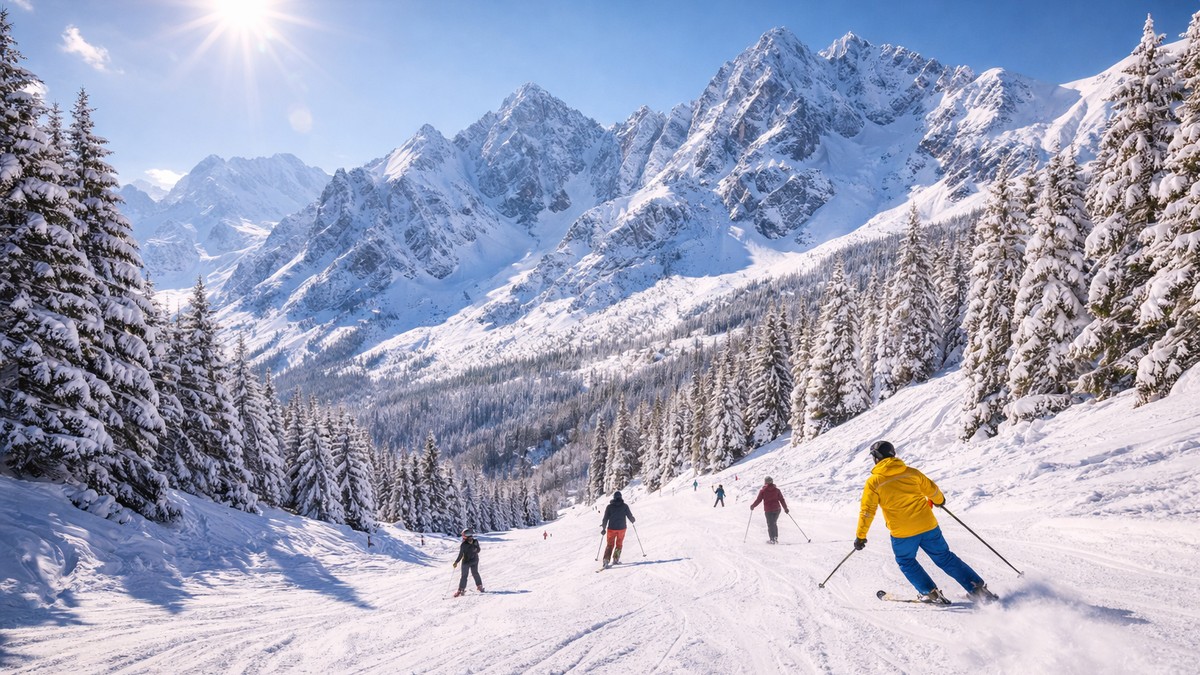
Winter transforms Slovakia into a ski destination.
Resorts in the High Tatras attract regional travelers.
Fact
Winter tourism in Slovakia is driven by skiing and holiday travel, estimate.
Cities like Bratislava also offer festive experiences.
Targeting the right segment
Winter is not for everyone.
It appeals to specific segments such as ski travelers and holiday tourists.
Example
A niche agency created winter focused Slovakia packages targeting ski enthusiasts. Despite lower volume, the packages achieved a 25 percent higher margin due to premium pricing and specialized services.
Niche demand drives profitability.
What this means for travel agencies
Actionable steps
- Match season to traveler type
Adventure travelers suit summer while value focused clients benefit from spring and autumn. - Promote shoulder seasons
Highlight autumn and spring as high value options with fewer crowds. - Adjust pricing strategies
Use lower seasonal costs to increase margins rather than reducing prices. - Design season specific itineraries
Do not sell the same product year round. Adapt experiences to each season. - Optimize margins after booking
Hotel prices in Slovakia fluctuate with seasonal demand. Tools like Rebookify help agencies capture price drops and improve profitability.
Quick takeaways
• Slovakia offers distinct experiences in every season
• Spring and autumn provide the best value
• Summer drives demand but requires careful planning
• Winter is niche but profitable
• Timing directly impacts both cost and satisfaction
Common mistakes
• Treating Slovakia as a single season destination
• Overbooking summer itineraries without crowd management
• Ignoring shoulder season opportunities
• Using the same itinerary year round
• Not aligning traveler type with season
Decision table
| Traveler type | Best season | Experience focus | Margin potential | Notes |
|---|---|---|---|---|
| Budget traveler | Spring | Scenic travel | High | Lower costs |
| Adventure traveler | Summer | Hiking and outdoors | Medium | Peak demand |
| Value traveler | Autumn | Balanced experiences | High | Best overall |
| Niche traveler | Winter | Ski and holidays | High | Targeted demand |
Conclusion
The best time to visit Slovakia: a complete seasonal guide is ultimately about alignment. Align the season with the traveler, and the destination delivers.
For agencies, this is where Slovakia stands out. Flexible, varied, and full of opportunities to create high value itineraries without relying on high costs.