February 19, 2026
Best Time to Visit Türkiye: A Season by Season Guide
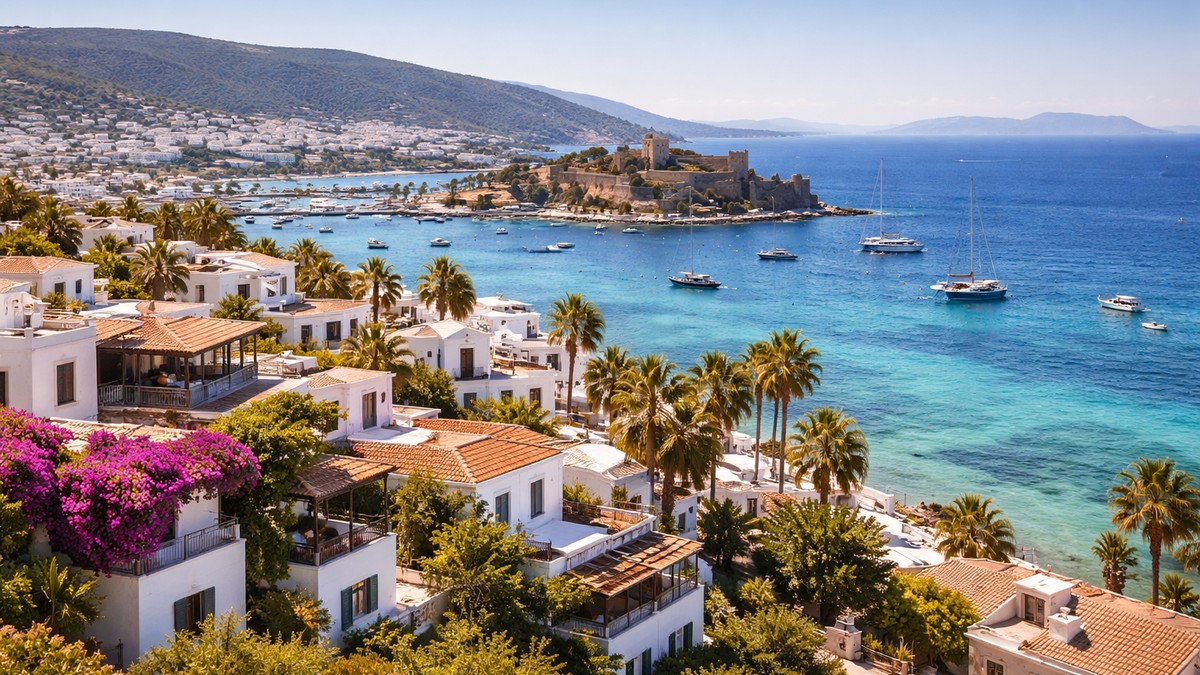
The Best Time to Visit Türkiye: A Season by Season Guide is not about weather alone. It is about aligning climate, crowd flow and margin opportunity to design stronger itineraries.
The non obvious thesis is this: Türkiye does not have a single best season. It has four commercially distinct seasons, each rewarding agencies that understand regional variation and pricing cycles.
Türkiye stretches from Mediterranean coastline to continental plateau. Istanbul sits between Europe and Asia. Cappadocia has sharp temperature swings. The Aegean coast follows classic Mediterranean patterns. Seasonality here is not uniform. It is layered.
According to Türkiye tourism authorities, the country welcomed over 49 million international visitors in 2023 estimate. Demand is strong. But demand is uneven across months.
Understanding that unevenness is where agencies gain advantage.
Why timing matters more than destination
Climate diversity across regions
In July, Antalya can exceed 34 degrees Celsius estimate, while Cappadocia mornings may feel significantly cooler. In January, Eastern Anatolia experiences snow while Istanbul remains relatively mild.
Türkiye has more than 8,000 kilometers of coastline estimate, yet much of its cultural heritage lies inland. This geographic spread allows agencies to shift focus depending on season.
Seasonality and pricing patterns
Summer drives coastal ADR increases. Shoulder months create room for experiential packaging. Winter lowers base hotel rates in major cities.
One UK based agency tracked hotel pricing in Istanbul over 12 months. Average nightly rate for a four star property in July was 38 percent higher than in February. Yet guided tour pricing remained stable. That gap creates opportunity for bundled value positioning in low season.
Timing affects margin as much as traveler comfort.
Spring in Türkiye
March through May
Ideal for culture circuits
Spring is arguably the most balanced season for first time visitors. Istanbul averages comfortable daytime temperatures between 15 and 22 degrees Celsius estimate. Cappadocia balloon flights operate reliably before peak heat.
Tulip season in Istanbul, usually April, draws domestic and international visitors to parks such as Emirgan.
A mid sized European operator shifted its flagship Türkiye program from August departures to May. Customer satisfaction scores rose from 4.3 to 4.7 out of 5. Heat complaints dropped. Per booking spend increased 12 percent as clients were more willing to add walking tours and food experiences.
Shoulder season opportunity
Hotel rates remain moderate before coastal summer demand surges. Guides and drivers have more availability.
Spring works particularly well for culture focused itineraries covering Istanbul, Ephesus and Cappadocia.
Summer in Türkiye
June through August
Coastal demand peaks
Summer is high season along the Turquoise Coast. Bodrum, Fethiye and Antalya see occupancy levels near capacity during July and August estimate. Beach resorts command premium pricing.
International arrivals historically peak in July and August estimate, particularly from European source markets.
For agencies targeting sun seekers, summer delivers reliable product. For cultural explorers, it requires careful pacing.
Capacity and margin considerations
High ADRs can compress margin if contracts are not negotiated early.
One North American agency reported that average Bodrum resort rates increased 22 percent year over year during peak season. By securing early allocations and monitoring rate drops post booking, the agency recovered approximately 9 percent of accommodation cost across 60 bookings. That recovery directly improved margin without affecting client experience.
Summer works best when coastal relaxation anchors the trip and inland excursions are scheduled early morning or late afternoon.
Autumn in Türkiye
September through November
The strategic sweet spot
Autumn combines warm sea temperatures with lower crowd density. Coastal waters remain swimmable into October estimate.
September ADRs often soften compared to August while weather remains favorable.
A German tour operator shifted Mediterranean yacht charters from August to late September departures. Client retention increased 18 percent. Heat fatigue complaints fell significantly. Food focused add ons such as vineyard visits gained traction.
Culinary and experiential advantages
Harvest season enhances wine and food experiences in regions such as Cappadocia and the Aegean.
Autumn is commercially efficient. It balances comfort and pricing.
Winter in Türkiye
December through February
Urban focus and snow tourism
Winter reframes Türkiye as an urban and mountain destination. Istanbul’s major museums and mosques remain open year round. Ski resorts such as Uludag operate during snow season estimate.
Visitor numbers dip outside holiday periods.
Lower rates higher control
Hotel pricing in Istanbul and Cappadocia drops significantly outside peak months.
One agency specializing in city breaks created a January Istanbul culture package with private museum tours and boutique hotel stays. Package price was 15 percent lower than spring equivalent. Margin percentage, however, was higher due to negotiated winter rates.
Winter allows agencies to design premium experiences at accessible price points.
Season Comparison Table
| Season | Weather Profile | Crowd Level | Coastal Suitability | Cultural Touring Comfort | Pricing Level | Commercial Advantage |
|---|---|---|---|---|---|---|
| Spring | Mild and blooming | Moderate | Good late season | Excellent | Medium | Balanced demand and pricing |
| Summer | Hot especially south | High | Excellent | Moderate in heat | High | Strong beach revenue |
| Autumn | Warm sea mild air | Moderate low | Very good | Excellent | Medium | High value sweet spot |
| Winter | Cool urban snowy east | Low | Limited | Good in cities | Low | Higher margin urban focus |
What this means for travel agencies
-
Segment Türkiye product by seasonal strength rather than generic promotion.
-
Push spring and autumn as premium comfort windows.
-
Secure summer coastal allocations early to protect margin.
-
Use winter to reposition Türkiye as a cultural city break destination.
-
Monitor hotel rates continuously, especially in Istanbul and Bodrum where fluctuation is common.
Tools that track post booking rate drops help agencies protect margin during volatile shoulder months. When accommodation cost stabilizes or decreases, agencies gain flexibility to invest in added experiences that differentiate their product.
Season strategy is revenue strategy.
Quick takeaways
• Türkiye delivers four distinct travel personalities across the year
• Spring and autumn offer the strongest balance of comfort and value
• Summer requires early contracting for coastal inventory
• Winter enables higher margin city focused itineraries
• Timing influences both client satisfaction and profitability
Common mistakes
• Treating Türkiye as a uniform climate destination
• Scheduling intensive sightseeing during peak summer heat
• Ignoring autumn as a premium opportunity
• Underpricing winter city programs
• Failing to track rate fluctuations during shoulder seasons
Conclusion
The Best Time to Visit Türkiye: A Season by Season Guide ultimately depends on what the traveler values and what the agency aims to achieve. There is no single ideal month. There is only strategic alignment between season, product and margin.
Agencies that design around Türkiye’s seasonal rhythm do not just improve client comfort. They improve revenue predictability and competitive positioning.