January 27, 2026
California’s Most Scenic Highway Route Explained Stop by Stop
Thesis: California’s most scenic highway route works because it forces travelers to slow down, and the agencies who design for that rhythm consistently deliver higher satisfaction and stronger repeat business.
The phrase California road trip gets overused. Yet California’s most scenic highway route explained stop by stop is not hype. It is a geography lesson, a pacing exercise, and a psychological shift away from checklist travel. This is not about racing between Instagram spots. It is about designing a journey that actually feels like a journey. When agencies understand how this route works, clients stop feeling rushed, complaints drop, and perceived value climbs.
Below is the practical breakdown travel professionals can use immediately.
Why This Route Works So Well
Geography does the heavy lifting
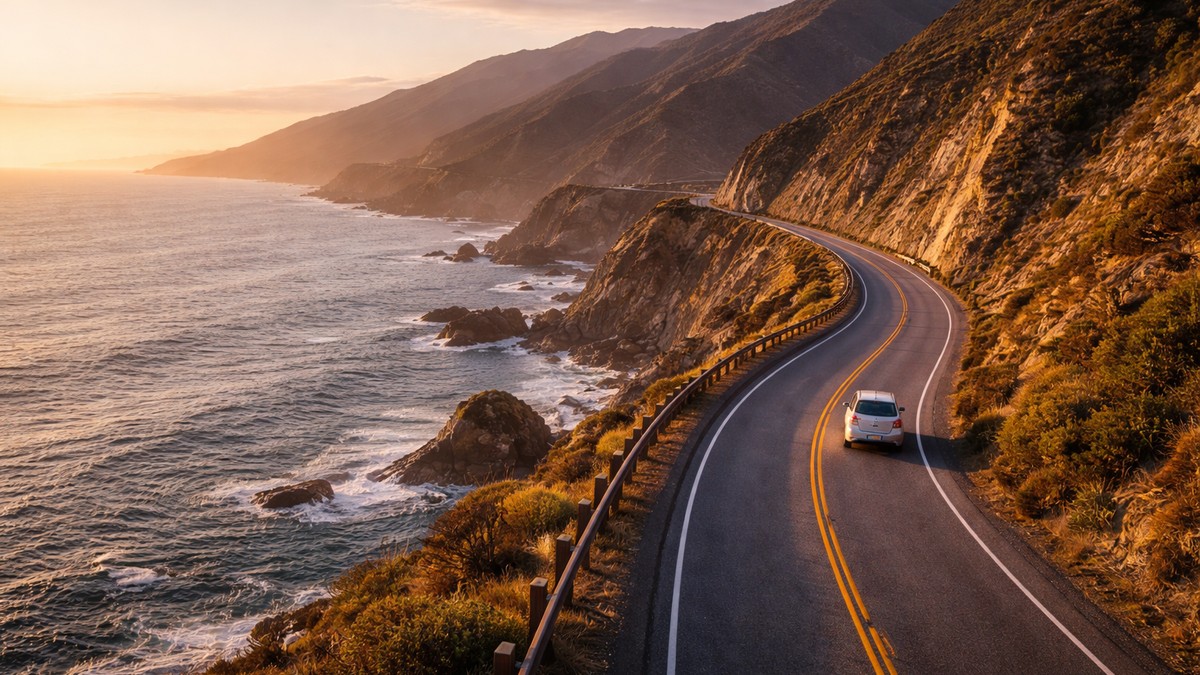
The Pacific coastline between San Francisco and Los Angeles is built for visual payoff. Cliff edges, shifting light, marine fog, redwoods, and beaches mean travelers get natural variation every thirty to forty minutes. No artificial experiences required.
The pacing feels natural
Unlike dense city itineraries where fatigue builds quickly, this route encourages frequent pauses. Viewpoints, coffee towns, and short walks break the day into manageable segments. That pacing is why first time road trippers finish this drive feeling refreshed rather than exhausted.
The Route Overview
This guide assumes the classic stretch of California’s most scenic highway route from San Francisco to Los Angeles using Highway 1 where possible.
San Francisco to Monterey
This section sets expectations early. Half Moon Bay, Santa Cruz, and the approach to Monterey introduce coastal curves without intensity. It is forgiving driving with plenty of services.
Highlights include coastal overlooks near Pescadero, sea lions near Santa Cruz, and Cannery Row in Monterey.
Big Sur to San Simeon
This is the emotional core of the journey. Dramatic cliffs, ocean depth, and isolation define the experience. Bixby Bridge, McWay Falls, and Julia Pfeiffer Burns State Park are visually extraordinary without requiring long hikes.
Travelers often underestimate how slowly this section moves. That is intentional and beneficial.
Cambria to Santa Barbara
The route softens again. Hearst Castle adds cultural depth. Morro Bay introduces wildlife and harbor scenery. Santa Barbara reintroduces sophistication, dining, and beachfront walkability.
This section is where travelers feel the transition from raw nature to polished coastal living.
Malibu to Los Angeles
The final leg surprises travelers by remaining scenic even as urban density increases. Malibu’s beaches, roadside viewpoints, and canyon roads make the entry into Los Angeles feel cinematic rather than stressful.
Stop by Stop Highlights That Actually Deliver
The viewpoints worth pulling over for
Not every overlook deserves time. The consistent crowd favorites include Bixby Bridge turnout, McWay Falls overlook, and the Morro Rock waterfront. These stops work because access is easy and visual payoff is immediate.
Small towns that reward slow travel
Carmel by the Sea, Cambria, and Los Olivos deliver real charm rather than manufactured tourism. Travelers who stay overnight in at least one of these towns report higher satisfaction than those who rush through.
Food stops that feel local not touristy
Big Sur Bakery, small taquerias in Santa Cruz, and bakeries in Santa Barbara consistently outperform generic chain options. These experiences feel personal and become the moments travelers remember.
The Real World Logistics Travelers Get Wrong
Driving time versus experience time
Clients often assume the route is simply a long drive. In practice, it behaves more like a moving experience corridor. Average speeds drop dramatically because stopping becomes irresistible.
Where travelers overspend unnecessarily
Luxury hotels in Big Sur can exceed eight hundred dollars per night during peak periods. Yet neighboring Carmel or Cambria often deliver comparable experience value at half the price.
When flexibility matters most
Coastal fog, weather shifts, and changing moods influence this route. Travelers who build flexibility into lodging and timing enjoy the route far more than those locked into rigid schedules.
Decision Making Table for Trip Planning
| Traveler Type | Ideal Pace | Suggested Nights | Best Overnight Stops | Common Pitfall |
|---|---|---|---|---|
| First time road tripper | Slow | 3 to 4 | Monterey, Cambria, Santa Barbara | Underestimating drive time |
| Couple seeking romance | Moderate | 2 to 3 | Carmel, Big Sur, Santa Barbara | Overpaying for Big Sur hotels |
| Family with teens | Flexible | 3 | Santa Cruz, Morro Bay, Malibu | Packing too many stops per day |
| Luxury focused traveler | Curated | 2 | Carmel, Santa Barbara | Prioritizing hotels over experience |
| Budget conscious traveler | Strategic | 3 to 4 | Monterey, Cambria, Ventura | Booking late and losing options |
This table is what agents can reuse directly in client consultations.
What this means for travel agencies
Packaging smarter itineraries
Agencies who frame this as a paced experience rather than a checklist route see stronger client feedback. Positioning fewer hotels with better spacing increases perceived value.
Upselling without pressure
Adding experiences like winery stops, guided coastal walks, or food reservations feels additive rather than sales driven. Clients see it as curation not upsell.
Using pricing flexibility strategically
Hotel rates along this route fluctuate heavily by season and demand. Agencies using tools that monitor post booking price drops can often recapture meaningful margin on high ticket coastal stays without changing the client experience. This is where platforms like Rebookify quietly improve profitability without adding workload.
Quick takeaways
-
The route succeeds because it enforces slower travel behavior
-
One extra overnight dramatically improves client satisfaction
-
Small towns deliver higher emotional value than major cities on this drive
-
Big Sur is best visited, not necessarily best slept in
-
Agencies who design for pacing see higher repeat bookings
Common mistakes
-
Trying to drive San Francisco to Los Angeles in a single day
-
Booking only big name hotels and missing better local properties
-
Ignoring how weather impacts the experience
-
Overloading each day with activities
-
Treating this like a city itinerary instead of a landscape itinerary
Conclusion
California’s most scenic highway route explained stop by stop reveals something deeper than pretty views. It shows how pacing, geography, and thoughtful design shape traveler satisfaction. Agencies who understand this route do not just sell a drive. They design an experience clients remember for years. And when paired with smart pricing strategies and flexible monitoring, it becomes one of the most reliable, profitable, and emotionally rewarding products an agency can offer.