February 21, 2026
Countries with the Most Diverse Landscapes Travelers Love
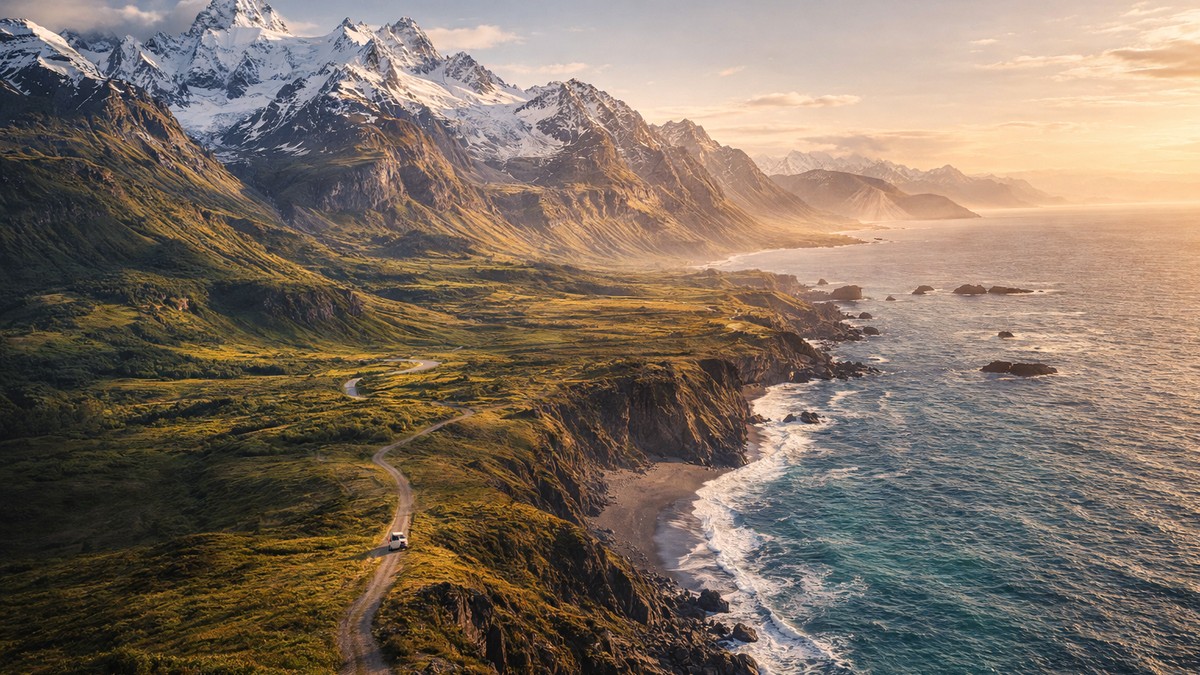
When clients ask for variety without complexity, Countries with the Most Diverse Landscapes are the smartest answer.
Here is the non obvious thesis: landscape diversity is not just about beauty, it is a commercial advantage because it lets agencies sell multiple emotional experiences inside one operational framework.
Travelers want contrast. Agencies want simplicity. The right country delivers both.
According to the UN World Tourism Organization, international arrivals reached roughly 1.3 billion in 2023, recovering to about 88 percent of pre pandemic levels estimate. As demand rebounds, travelers are increasingly seeking depth rather than checklist tourism. A 2023 Expedia traveler report found that over 70 percent of respondents wanted trips that combine nature and culture estimate.
Countries with dramatic internal contrasts allow you to deliver exactly that without adding extra visas, additional long haul flights, or fragmented logistics.
Let us look at the standouts.
Why landscape diversity drives booking value
Landscape diversity increases average trip length, activity add ons, and premium accommodation upgrades. When a country offers desert, coast, mountains, wildlife, and city culture within one border, it becomes easy to justify 10 to 14 nights instead of 6.
Example one. A mid sized agency in London shifted its Chile offering from a 7 night Patagonia only package priced at 3,800 dollars per person to a 12 night desert to glacier itinerary priced at 6,900 dollars. Conversion rates stayed stable at 32 percent, but average booking value increased by 81 percent.
Example two. A US based luxury advisor repositioned South Africa from safari only to safari plus Cape Town plus Winelands. Average per booking margin rose from 1,450 dollars to 2,200 dollars simply because clients perceived it as a complete country experience.
Example three. An Australian wholesaler bundled New Zealand North and South Island landscapes into one loop instead of selling them separately. Average stay increased from 8.5 nights to 13 nights, driving a 54 percent revenue increase per booking.
Diversity equals narrative. Narrative equals value.
Chile: Desert to glacier in one spine
Chile stretches more than 4,300 kilometers north to south. That geography is not a curiosity. It is a product advantage.
Atacama to Patagonia contrast
In the north, the Atacama Desert is often described as the driest non polar desert on Earth. In the south, Patagonia offers glaciers, fjords, and wind carved peaks. Between them lie wine valleys and cosmopolitan Santiago.
Clients can watch geysers at sunrise, taste Carménère in the afternoon, and hike near ice fields within the same country.
Torres del Paine National Park alone receives over 250,000 visitors annually estimate, yet feels remote. That perceived remoteness supports premium pricing.
Logistics that make it sellable
Chile has stable infrastructure, well connected domestic flights, and strong boutique lodge inventory. Agencies can combine regions without excessive operational risk.
The country’s length becomes a storytelling arc rather than a complication.
United States: Extreme variety at scale
Few countries match the United States in geographic range. It has deserts, alpine peaks, tropical islands, subtropical wetlands, temperate rainforests, and Arctic tundra.
The US National Park Service manages 400 plus units including 63 national parks. In 2023, national parks recorded over 325 million recreation visits estimate. That scale indicates demand and product depth.
National park density
Clients can see geysers in Yellowstone, slot canyons in Utah, and Pacific cliffs in Big Sur within one extended trip.
The diversity supports segmented marketing. Adventure travelers gravitate to Alaska and Utah. Scenic road trippers prefer California and the Rockies. Wildlife enthusiasts target Yellowstone and Florida Everglades.
Multi region combinations
For international clients, one visa unlocks immense variation. That reduces friction and increases upsell potential.
South Africa: Safari to coastline in one sweep
South Africa delivers wildlife, mountains, vineyards, and cosmopolitan city life within manageable distances.
Wildlife plus wine
Kruger National Park hosts the Big Five and receives around 1.5 million visitors annually estimate. Cape Town consistently ranks among the world’s most scenic cities in global travel surveys estimate.
Combine those with the Winelands and Garden Route, and you have a product that spans savannah, ocean cliffs, and urban sophistication.
Infrastructure advantage
Road quality, domestic flights, and lodge inventory are strong relative to many African competitors. That reduces operational stress while maintaining a sense of adventure.
For agencies, it is one of the easiest high impact Africa itineraries to sell.
New Zealand: Compact but cinematic
New Zealand is often used in film for a reason. It compresses glaciers, fjords, volcanoes, beaches, and rolling farmland into a country slightly larger than the United Kingdom in land area but with only about 5 million residents.
Adventure density
On the South Island, clients can visit Milford Sound, hike near Mount Cook, and explore vineyards in Marlborough within a few days.
On the North Island, geothermal Rotorua, volcanic Tongariro, and coastal Bay of Islands add further contrast.
Easy routing
The country’s road network and self drive culture make it straightforward for independent travelers. That lowers servicing costs for agencies.
Japan: Mountains, islands and neon cities
Japan combines hyper modern cities with snow covered Alps and tropical islands in Okinawa.
Mount Fuji rises to 3,776 meters. Meanwhile Tokyo metropolitan area hosts over 37 million people estimate, making it the largest metro region globally.
Cultural and natural layering
Clients can ski in Hokkaido, soak in mountain onsens in Nagano, and walk bamboo forests in Kyoto before finishing in Tokyo’s neon districts.
Seasonal leverage
Cherry blossom in spring and autumn foliage in fall create built in booking triggers. Seasonality drives urgency and higher willingness to pay.
Comparison snapshot
Here is a simple evaluation table agencies can use
| Country | Key Landscape Contrast | Ease of Internal Travel | Ideal Trip Length | Upsell Potential |
|---|---|---|---|---|
| Chile | Desert to glacier | Moderate to High | 10 to 14 nights | Very High |
| United States | Desert, alpine, tropical, urban | High | 10 to 21 nights | High |
| South Africa | Safari, coastline, mountains, vineyards | High | 9 to 14 nights | Very High |
| New Zealand | Fjords, volcanoes, beaches, farmland | High | 10 to 16 nights | High |
| Japan | Mountains, islands, mega cities | Very High | 10 to 14 nights | Very High |
What this means for travel agencies
-
Sell contrast, not just country names
Frame the pitch around emotional shifts. Desert silence to glacier thunder. Safari sunrise to coastal sunset. -
Extend trip length strategically
Landscape transitions justify additional nights organically. Position them as chapters rather than add ons. -
Build modular itineraries
Create regional building blocks that can be swapped depending on season or budget. -
Price for narrative value
When a country offers four distinct experiences, clients perceive higher value. Price accordingly. -
Monitor hotel rates aggressively
Longer multi region trips often mean multiple hotel segments. Post booking price monitoring can unlock margin improvements without renegotiating with clients. Quiet savings compound across long itineraries.
Quick takeaways
• Countries with internal diversity increase average booking value
• One visa plus multiple ecosystems reduces friction
• Narrative contrast supports premium pricing
• Infrastructure determines how sellable diversity becomes
• Longer itineraries amplify rebooking savings potential
Common mistakes
• Overselling geographic diversity without accounting for travel time
• Ignoring seasonality conflicts between regions
• Underpricing multi region itineraries
• Failing to align hotel quality across contrasting environments
• Forgetting that diversity needs coherent storytelling
Conclusion
Countries with the Most Diverse Landscapes are not just visually impressive. They are commercially powerful.
When you can deliver deserts, glaciers, coastlines, wildlife, and cities inside one border, you simplify logistics while amplifying perceived value. That combination is rare. It is also profitable.
For agencies looking to grow revenue without adding complexity, these destinations are not just beautiful. They are strategic.