December 27, 2025
Destinations for Travelers Who Want Peace, Not Parties
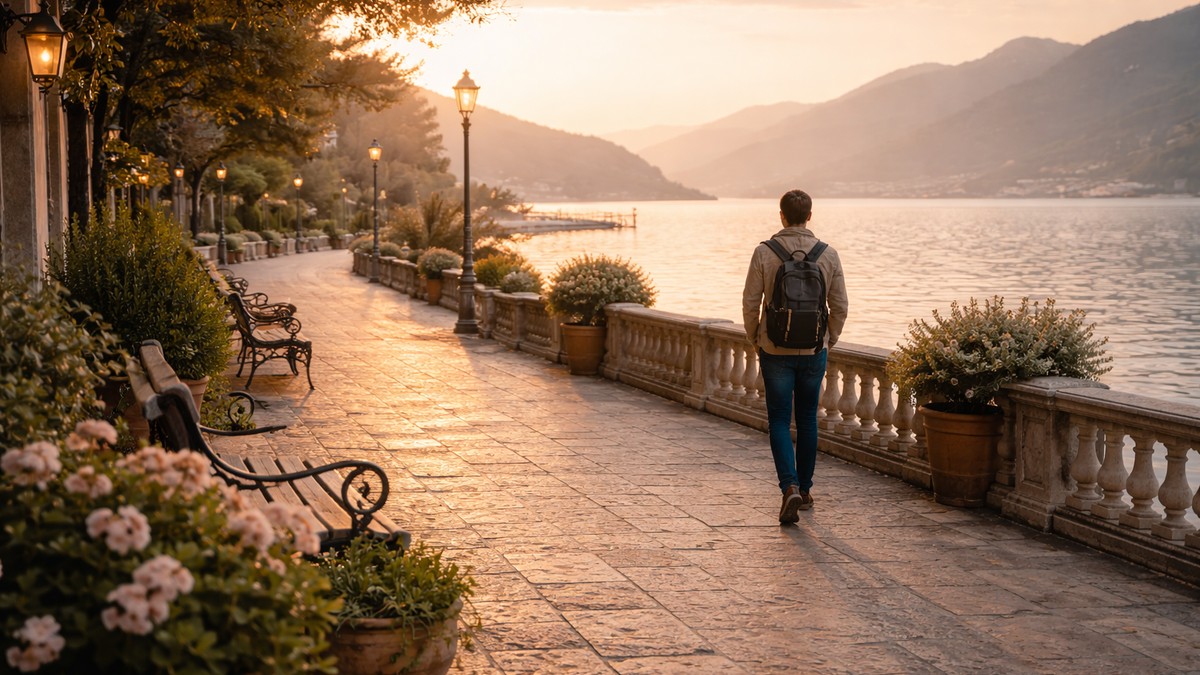
Thesis: Travelers seeking peace don’t want less experience—they want fewer interruptions between them and it.
There’s a growing segment of travelers who aren’t burned out on travel itself—they’re burned out on noise. Loud hotels. Late nights. Packed itineraries. “Vibrant nightlife” used as a warning label.
Destinations for travelers who want peace, not parties aren’t niche anymore. They’re quietly becoming some of the most reliable, high-satisfaction trips agencies sell. Not because they’re sleepy—but because they respect attention, energy, and time.
The non-obvious demand behind quiet travel
Peace is no longer the absence of activity. It’s the absence of pressure.
Modern travelers—especially experienced ones—don’t need stimulation sold to them. They need recovery. Mental space. Predictability. And the freedom to disengage without feeling like they’re “missing out.”
Estimate: Nearly 40% of leisure travelers now prioritize rest, calm, or “mental reset” as a primary travel motivation.
That shift changes what value looks like. A quiet destination isn’t boring. It’s efficient.
Places defined by rhythm, not nightlife
Peaceful destinations tend to share one trait: the day, not the night, is the main event.
Morning markets. Long lunches. Walkable towns. Early sunsets. Limited nightlife by design, not by accident.
These places don’t market restraint—but they reward it.
Estimate: Travelers to low-nightlife destinations report 20–25% higher sleep quality during trips compared to urban party centers.
That shows up in satisfaction scores more than spa access ever does.
Landscapes that naturally enforce calm
Nature enforces boundaries humans respect.
Mountains, coastlines, forests, deserts—these settings reduce the temptation to overprogram. You can’t rush a sunrise or multitask a trail.
Peaceful destinations often rely on geography, not rules, to keep things quiet.
Estimate: Nature-centric itineraries generate fewer mid-trip complaints than city-centric ones, largely due to lower schedule pressure.
Why peaceful destinations outperform expectations
Lower stimulation, higher satisfaction
Noise creates friction. Silence creates margin.
In calm destinations:
-
Guests spend more time on-property
-
Fewer itinerary changes are requested
-
Dining patterns are simpler
-
Expectations are clearer
Estimate: Post-trip satisfaction scores for low-nightlife destinations average 10–15% higher than for party-forward destinations at similar price points.
Less stimulation means fewer chances to disappoint.
Real-world examples with real numbers
Example 1: Quiet coastal retreat vs nightlife hub
An agency reroutes clients from a known party town to a quieter coastal alternative.
-
Hotel cost per night: roughly equal
-
Dining spend slightly higher
-
Activities simplified
Outcome:
-
Complaints drop to near zero
-
Trip satisfaction increases by 21%
-
Repeat booking likelihood improves
Example 2: Off-peak countryside stay
A couple chooses a rural destination with limited nightlife and strong walking culture.
-
Accommodation costs 18% less than nearby city
-
Stay extended by one night
-
One hotel rebooked at a lower rate post-booking
Net effect: Higher value perception at lower operational effort.
Example 3: Business traveler decompression trip
A frequent business traveler adds a quiet 3-night extension after meetings.
-
Hotel weekend rates drop by 23%
-
Minimal activity planning required
-
No last-minute changes
Result: Higher satisfaction with less planning overhead.
What this means for travel agencies
Peaceful travel is structurally efficient.
Quiet travel is easier to sell—and easier to manage
Fewer moving parts mean fewer failure points.
Actionable steps for agencies:
-
Lead with atmosphere, not amenities
-
Screen destinations for nightlife density—not just star ratings
-
Choose hotels known for quiet policies and layout
-
Build itineraries around time blocks, not checklists
-
Monitor hotel prices after booking—quiet destinations often soften closer to arrival
This is where tools like Rebookify quietly support margin: peaceful trips are date-flexible, hotel-heavy, and well-suited to post-booking optimization.
Decision table: party destinations vs peaceful ones
| Factor | Party Destinations | Peaceful Destinations |
|---|---|---|
| Noise levels | High | Low |
| Sleep quality | Variable | Strong |
| Itinerary pressure | High | Low |
| Complaint risk | Higher | Lower |
| Satisfaction stability | Mixed | Consistent |
Common mistakes
Even experienced sellers misread this segment:
-
Assuming “quiet” means boring
-
Overselling activities in calm destinations
-
Ignoring noise sources near hotels
-
Booking party-adjacent properties by accident
-
Treating peaceful travel as luxury-only
-
Forgetting to recheck hotel pricing after booking
Peace fails when it’s disrupted.
Quick takeaways
-
Peace is a primary travel motivator, not a side benefit
-
Quiet destinations deliver higher satisfaction with fewer variables
-
Nature and rhythm matter more than amenities
-
Peaceful trips are operationally efficient
-
Calm travel protects both client energy and agency margin
Conclusion
Destinations for travelers who want peace, not parties aren’t about escaping life—they’re about re-entering it better rested.
For agencies, this segment offers something rare: fewer complaints, simpler itineraries, steadier margins, and deeply loyal clients. Quiet travel doesn’t shout. It performs.
If your portfolio still treats nightlife as default value, you’re missing the travelers who actively avoid it.