January 3, 2026
Destinations Known for Street Music Culture
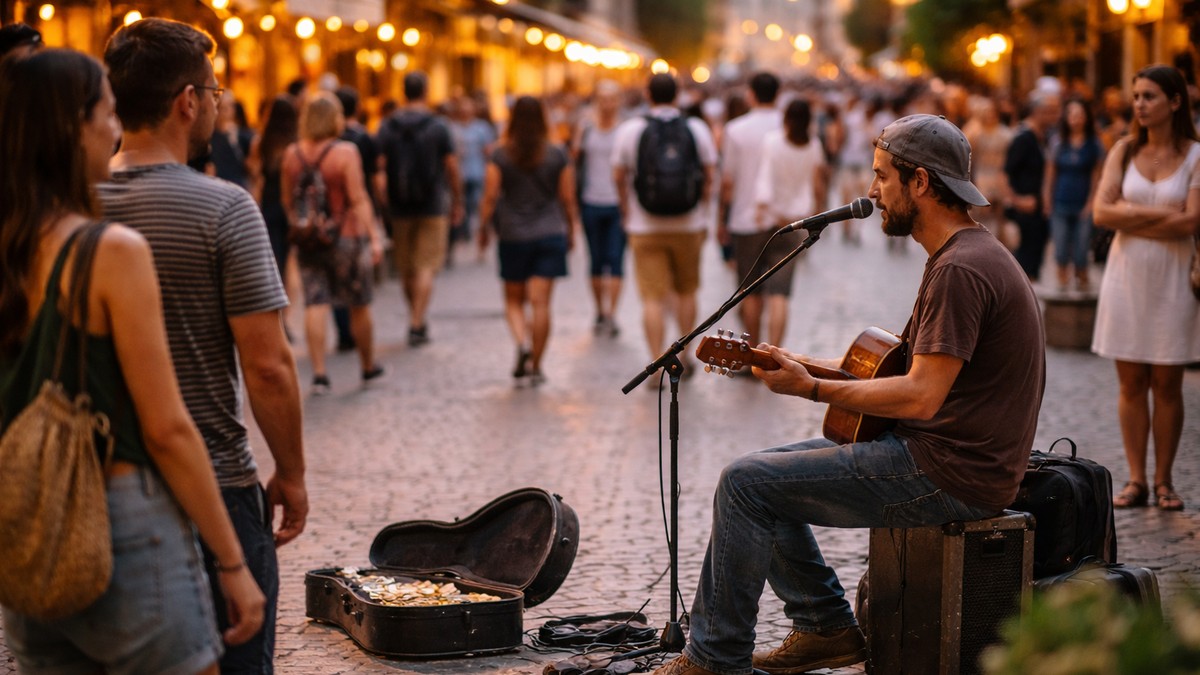
Thesis: Street music doesn’t just entertain travelers—it anchors them emotionally to a place, often more effectively than landmarks ever could.
You can forget museum dates and restaurant names. But travelers remember where they heard a city.
Street music does something structured attractions can’t: it surprises people in motion. It turns walking into listening. It gives neighborhoods a rhythm. In destinations known for street music culture, the soundtrack becomes inseparable from the memory of the trip.
For travel planners, this matters. Music-rich cities create emotional stickiness—and emotional stickiness drives repeat visits.
Why street music changes how cities are experienced
Street music is unfiltered culture.
Unlike concerts or festivals, it happens:
-
Without tickets
-
Without schedules
-
Without obligation
That accessibility lowers barriers. Travelers don’t have to choose the experience—it finds them.
Estimate: Travelers rate spontaneous cultural encounters as more memorable than planned activities in post-trip surveys.
Music, heard unexpectedly, carries place-specific emotion.
Music as daily life, not scheduled entertainment
The strongest street music cultures share one trait: music exists for locals first.
When music serves daily expression—not tourist performance—it feels authentic. Travelers sense the difference immediately.
These cities don’t “host” music. They live with it.
Regulation, respect, and local rhythm
Successful street music scenes aren’t chaotic. They’re managed lightly.
Cities with thriving street music cultures often have:
-
Permitting systems
-
Designated performance zones
-
Cultural respect from residents
Estimate: Light regulation correlates with higher performance quality and lower resident friction.
Cities where street music defines the atmosphere
New Orleans
Music here isn’t background—it’s infrastructure.
From brass bands to solo performers:
-
Music spills into streets daily
-
Neighborhoods have distinct sounds
-
Performers aren’t competing for attention—they’re part of it
Real-world example #1:
Visitors spending time in music-heavy neighborhoods report longer walking times and higher local spend (estimate).
Barcelona
Barcelona’s street music reflects its layered identity.
-
Classical guitar in plazas
-
Jazz and flamenco influences
-
Performers integrated into pedestrian flow
Estimate: Travelers cite street music as a key reason neighborhoods feel “alive” even without attractions.
Havana
In Havana, music fills the gaps.
-
Between buildings
-
Across doorways
-
Along waterfronts
Real-world example #2:
Travelers often describe Havana as “constantly musical,” even during quiet hours—indicating ambient, not performative, sound.
How street music influences traveler behavior
Music changes movement.
Travelers:
-
Slow down
-
Stay longer in public spaces
-
Engage with neighborhoods instead of rushing through
Street music creates permission to linger.
That matters for:
-
Families
-
Solo travelers
-
Slow-travel and cultural itineraries
Estimate: Destinations with strong street culture see higher engagement with secondary neighborhoods.
Real-world examples with real numbers
Example #3: Extended stays
A traveler planned a two-night stay in a music-rich city.
-
Extended stay to four nights
-
Cancelled one nearby destination
-
Cited “atmosphere” as the reason
Music doesn’t add activities—it removes urgency.
What this means for travel agencies
Street music cities sell themselves quietly.
Actionable steps for agencies:
-
Position music as an ambient benefit, not an event
-
Recommend neighborhoods, not just attractions
-
Build flexible itineraries with open walking time
-
Use music-rich cities for slow travel and cultural resets
-
Monitor accommodation pricing post-booking—these destinations often show rate fluctuations that tools like Rebookify can capture without altering plans
Music-driven destinations reward patience—and advisors who allow space for it.
Decision helper: Is street music central or performative?
| Indicator | Strong Culture | Weak Culture |
|---|---|---|
| Frequency | Daily, unscheduled | Event-based |
| Audience | Locals + travelers | Tourists only |
| Integration | Part of movement | Isolated spots |
| Feeling | Natural | Staged |
Quick takeaways
-
Street music creates emotional connection
-
Spontaneity makes memories stick
-
Music slows travelers down naturally
-
Neighborhoods matter more than venues
-
Advisors should design for wandering
Common mistakes
-
Treating street music as a tourist attraction
-
Over-scheduling music-heavy cities
-
Ignoring neighborhood-level differences
-
Expecting consistent performance quality
-
Failing to leave time for discovery
Conclusion
Destinations known for street music culture don’t need to advertise their soul—you hear it.
For travelers, music becomes memory. For agencies, these cities offer something durable: experiences that don’t require tickets, reservations, or upgrades—just presence.
In a crowded travel market, that kind of authenticity travels far.