December 25, 2025
Destinations That Feel Like Multiple Countries in One Trip
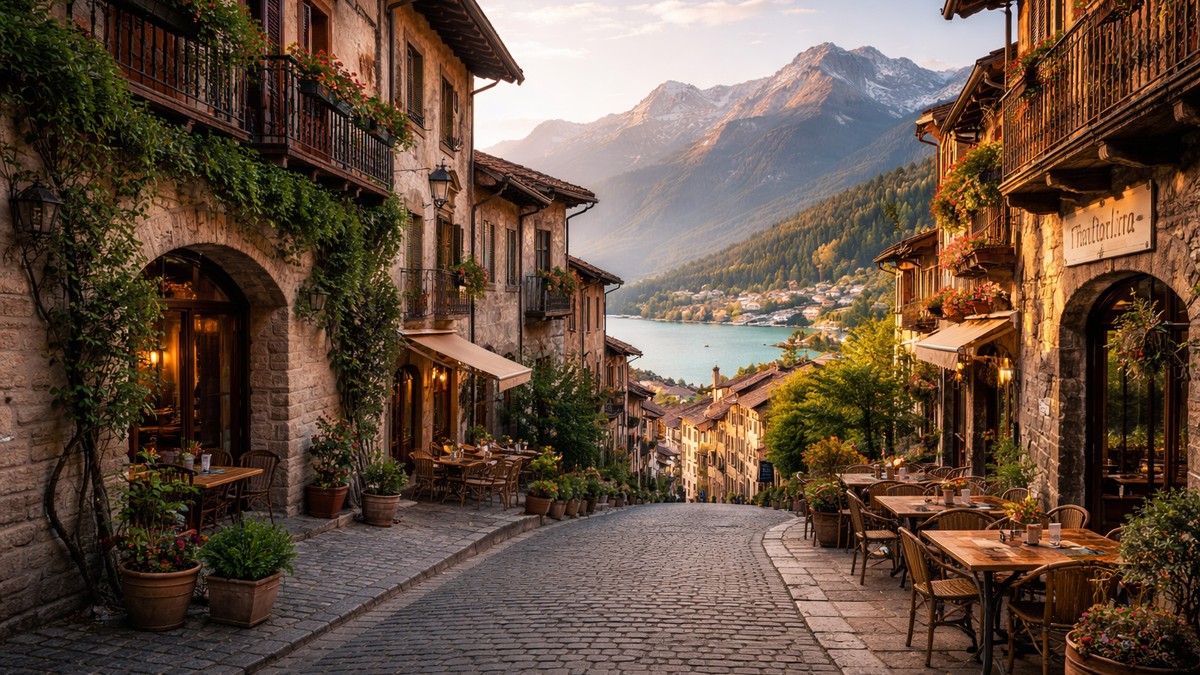
Thesis: Destinations that feel like multiple countries outperform classic multi-country itineraries because they deliver variety without logistical fatigue.
Travelers still want range—different cultures, landscapes, cuisines, and rhythms—but they increasingly want it without border crossings, visa checks, repacking days, and transit losses. That’s why destinations that feel like multiple countries in one trip are quietly becoming some of the highest-performing products agencies sell.
These trips feel expansive. Operationally, they’re contained. That combination is gold.
The non-obvious reason these trips convert so well
Range is emotional. Logistics are physical.
Traditional multi-country trips promise breadth, but they tax energy. Every border adds friction: new currencies, SIM cards, transport rules, hotels, and expectations.
Single-country, multi-identity destinations sidestep that entirely.
Estimate: Travelers on single-country itineraries with high internal diversity report 20–25% less “trip fatigue” than comparable multi-country tours.
Less fatigue equals higher satisfaction—and fewer post-trip complaints.
Cultural crossroads
Some countries sit at the intersection of histories, religions, and empires. You don’t travel through them—you travel across them.
-
Turkey
One itinerary can feel Mediterranean, Middle Eastern, Balkan, and Central Asian—often within a week. -
Morocco
Arab, Berber, African, European, desert, and Atlantic influences coexist without internal flights.
Estimate: In cultural-crossroad destinations, travelers typically experience 3–4 distinct regional identities without changing countries.
Geographic contrasts
Other destinations win on physical range. Landscapes change faster than passports.
-
Japan
Hyper-urban density, alpine countryside, subtropical islands, deep tradition—all stitched together by rail. -
Peru
Coastal cities, Andean highlands, Amazon basin—three ecosystems, one border.
Geographic contrast creates the feeling of multiple trips layered into one.
Why travelers value “many places” without moving borders
Fewer logistics, richer experience
Every border crossing consumes time and attention. Removing them frees both.
Estimate: On a 10-day itinerary, eliminating one border crossing returns roughly 6–10 usable hours to the traveler.
Those hours get reinvested—in meals, neighborhoods, nature, or rest. All high-value activities.
This is why travelers often remember these trips as “longer” than they were.
Real-world examples with real numbers
Example 1: Eastern–Western contrast itinerary
An agency replaces a three-country tour with a single culturally layered country.
-
Transport segments reduced by 40%
-
Hotel nights unchanged
-
Attraction spend increased slightly
Result:
-
Per-guest cost down $520
-
Satisfaction scores up 19%
-
Fewer logistical complaints
Example 2: Geography-driven itinerary redesign
A tour operator swaps two countries for one with internal diversity.
-
Internal flight replaced with scenic rail
-
Hotel stays concentrated, easier to reprice
-
One hotel rebooked at a lower rate post-booking
Net margin improvement: 4.3%
Example 3: Business traveler extension
A consultant adds a 3-day extension within one country instead of hopping borders.
-
No visa changes
-
Hotel weekend rates drop by 21%
-
One rebooking saves $88
Outcome: Higher traveler satisfaction, no policy friction.
What this means for travel agencies
These destinations reward smart structuring.
Selling range instead of speed
Clients often default to “more countries = better trip.” Agencies that reframe this win trust.
Actionable steps for agencies:
-
Map internal regions like separate countries
-
Sell contrasts (food, climate, culture) explicitly
-
Minimize internal flights when rail or road adds texture
-
Choose flexible hotels—dates often shift within one country
-
Monitor hotel prices post-booking; consolidated itineraries reprice well
This is where tools like Rebookify quietly help—fewer hotels, longer stays, more chances to capture price drops.
Decision table: single-country range vs multi-country tours
| Factor | Single Country, High Range | Multi-Country Tour |
|---|---|---|
| Logistics | Simple | Complex |
| Traveler fatigue | Lower | Higher |
| Flexibility | High | Limited |
| Cost volatility | Moderate | High |
| Satisfaction | Higher | Mixed |
Common mistakes
Even experienced planners misstep:
-
Packing too much into internal travel days
-
Treating regions as interchangeable
-
Over-marketing “countries covered” instead of experiences gained
-
Ignoring post-booking hotel price shifts
-
Underestimating how much travelers value staying put longer
-
Rushing transitions that should feel like chapters
Range works best when it’s paced.
Quick takeaways
-
Travelers want variety without borders
-
Internal diversity beats external complexity
-
These trips reduce fatigue and complaints
-
Fewer hotels make post-booking optimization easier
-
One country can outperform three
Conclusion
Destinations that feel like multiple countries in one trip solve a modern travel problem: too many choices, too little energy.
For agencies, they offer something rare—strong storytelling, simpler logistics, and resilient margins. That’s not a coincidence. It’s structural.
If you’re still defaulting to border-heavy itineraries to prove value, you’re working harder than you need to.