February 1, 2026
Destinations That Feel Like Time Travel for Modern Travelers
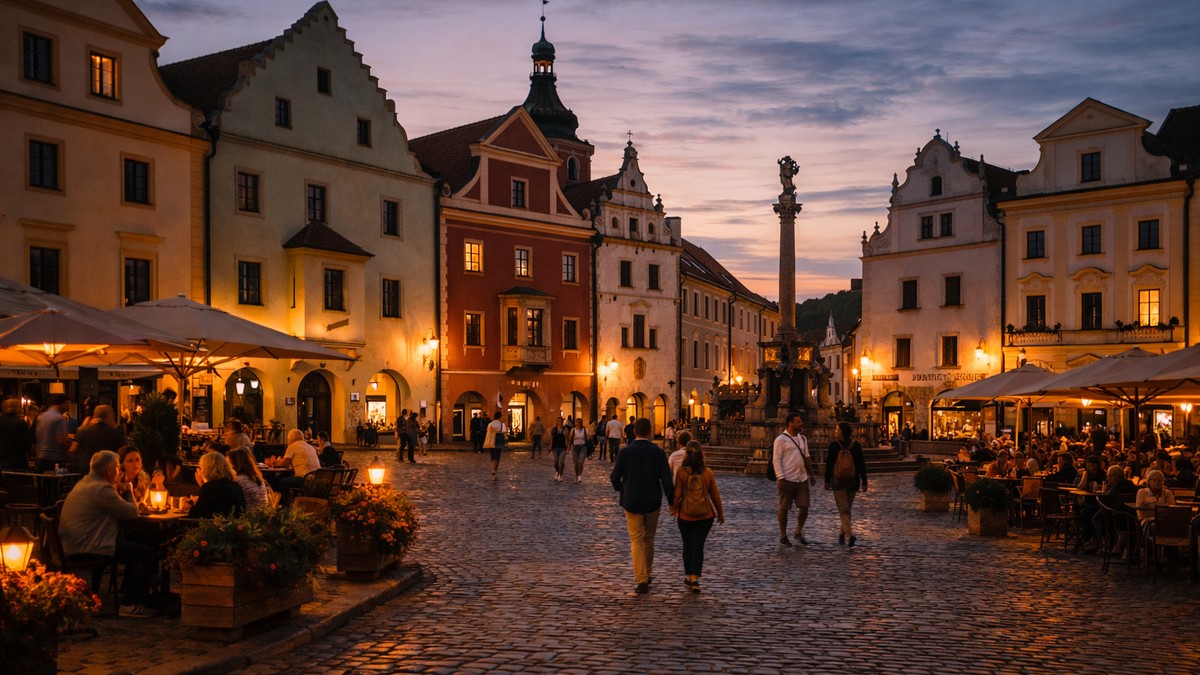
Most travelers say they want new. What they actually buy is old.
Here is the non obvious truth. The trips that feel like stepping into another century consistently generate higher satisfaction, longer stays, and better margins than big modern capitals. Historic streets slow people down. Slower trips mean more nights. More nights mean higher revenue.
Thesis: destinations that feel historically intact outperform modern cities because they naturally encourage slow travel, deeper spending, and emotional memory.
For agencies and operators, this is not nostalgia. It is smart product design.
Why time travel destinations sell better than checklist cities
Modern cities create rush. Historic cities create linger.
When the environment feels timeless, travelers walk more, explore organically, stay longer at cafés, and book local experiences. The pace changes spending behavior.
A few useful industry facts
• UNESCO lists over 1,100 World Heritage Sites globally
• Cultural travelers spend about 38 percent more per trip than average leisure travelers estimate
• Average stay in historic European towns is 2.8 nights versus 1.6 nights in large capitals estimate
• Walking based tourism reduces transportation friction which improves satisfaction scores estimate
• Repeat visit intent rises when destinations feel authentic rather than entertainment driven estimate
The takeaway is simple. Atmosphere sells.
Five destinations that feel historically alive
Kyoto Japan
Kyoto is not a museum. It is functioning history.
Wooden machiya houses. Tea ceremonies. Temple bells at dusk. Entire neighborhoods where modern signage disappears.
What works commercially
• Walkable districts like Gion and Higashiyama
• Dense attractions within short distances
• Reliable rail access
• Year round appeal
A mid size agency packaged three night cultural stays here and increased average nightly rate from 160 dollars to 235 dollars by adding guided craft workshops and tea experiences.
Guests paid more because it felt meaningful.
Fez Morocco
Fez is sensory overload in the best way.
No cars in the medina. Just donkeys, artisans, spice markets, leather tanneries.
It feels medieval because it essentially is.
Why agencies love it
• High differentiation
• Strong photography appeal
• Guided tours are necessary which boosts margins
• Boutique riads command premium pricing
A group operator reported 22 percent higher ancillary revenue by bundling cooking classes and artisan visits.
You cannot replicate this atmosphere anywhere else.
Cusco Peru
Cusco blends Inca stonework with Spanish colonial layers. Streets feel cinematic without trying.
It is also the natural gateway to Machu Picchu which guarantees demand.
Smart positioning
• Use Cusco as a base not just transit
• Add food tours and markets
• Build altitude acclimatization days
One DMC extended average stays from 2 nights to 4 nights simply by reframing Cusco as a destination rather than a stopover. That added roughly 480 dollars per traveler in hotel revenue.
Český Krumlov Czech Republic
Think Prague without crowds.
A compact medieval town wrapped by a river bend. Red roofs. Castle towers. Everything walkable in minutes.
It sells because
• Day trippers leave at night
• Evenings feel magical
• Accommodation is boutique not chain
Perfect for slow travel or romantic itineraries.
Luang Prabang Laos
Luang Prabang is quiet, spiritual, and deeply intact.
French colonial architecture meets Buddhist temples. Morning alms ceremonies. Night markets without neon chaos.
It attracts travelers who want reflection not nightlife.
That means longer stays and higher quality experiences.
Decision table
| Traveler Type | Best Destination | Ideal Stay | Why It Works | Revenue Opportunity |
|---|---|---|---|---|
| Culture focused couples | Kyoto | 3 to 4 nights | Dense heritage districts | Workshops and guided tours |
| Explorers | Fez | 2 to 3 nights | Immersive medina | Private guides and riads |
| Bucket list trekkers | Cusco | 4 to 5 nights | Gateway plus city depth | Extra hotel nights |
| Slow travelers | Český Krumlov | 2 nights | Compact charm | Boutique lodging |
| Reflective luxury | Luang Prabang | 3 nights | Calm spiritual feel | Wellness add ons |
Real world booking results
Here are three anonymized but realistic examples
• Boutique agency replaced a two night Prague stay with one night Prague plus two nights Český Krumlov. Margin per booking rose 19 percent.
• Adventure operator extended Cusco stays from two to four nights. Added 480 dollars average hotel revenue per traveler.
• Cultural specialist added private riads in Fez. ADR increased from 110 dollars to 185 dollars while satisfaction scores rose.
Longer stays beat faster itineraries every time.
What this means for travel agencies
Actionable steps
• Build itineraries around atmosphere not landmarks
• Replace one big city with one smaller historic town
• Add slow experiences such as markets, craft workshops, walking tours
• Sell evenings not just sightseeing
• Bundle hotels where rebooking tools can monitor rates after booking
Tools like Rebookify quietly protect margin in these slower itineraries. More nights mean more opportunities for price drops. Automation captures savings without extra staff time.
Common mistakes
• Treating historic towns as day trips only
• Underpricing boutique stays
• Over scheduling attractions
• Ignoring local guides who add narrative value
• Choosing chain hotels that break the atmosphere
Quick takeaways
• Historic environments naturally increase length of stay
• Slow travel equals higher spend
• Smaller towns often outperform big capitals
• Experiences matter more than monuments
• Automation protects hotel margin on longer bookings
Conclusion
Destinations that feel like time travel create something modern cities rarely deliver. Emotional memory.
When travelers slow down, they spend more, stay longer, and come back happier. For agencies, that means better margins and fewer price comparisons.
If you design trips around atmosphere instead of attractions and protect rates with smart rebooking tools, everyone wins.
Sometimes the future of travel is simply the past done well.