January 17, 2026
Destinations That Offer Fun for Both Kids and Adults
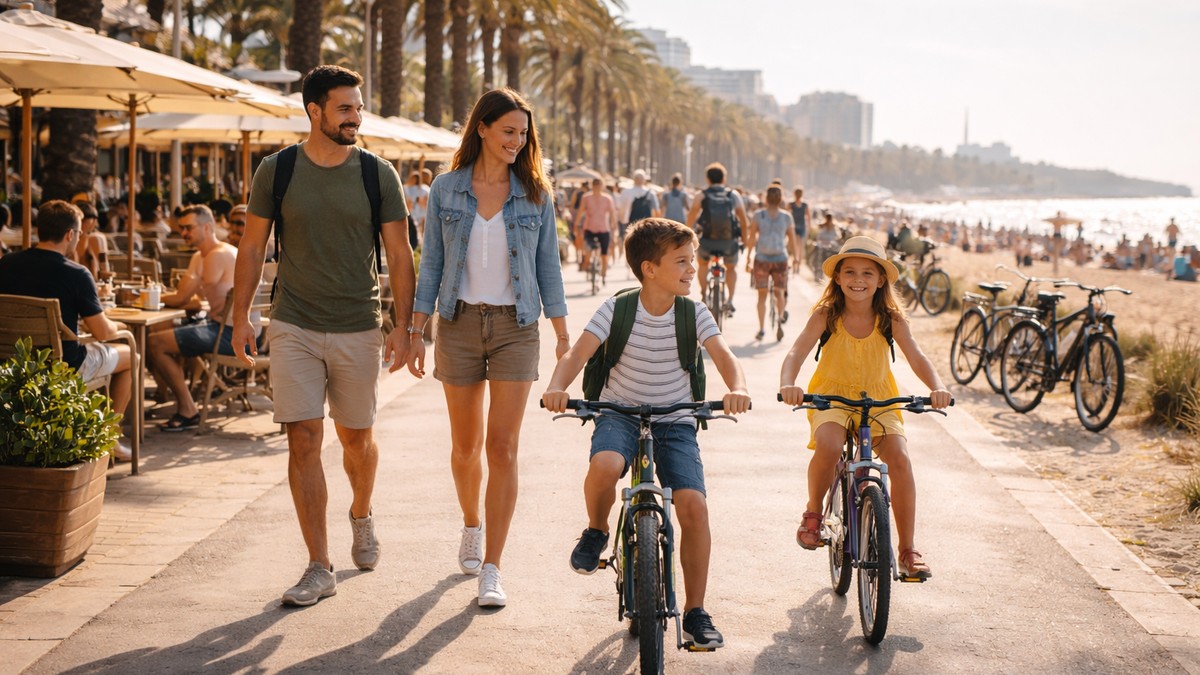
Thesis: The best family destinations today are not those with the most child specific attractions but those where adults never feel they are sacrificing their own experience.
Destinations That Offer Fun for Both Kids and Adults represent one of the most commercially powerful segments in travel right now. Family travel demand continues to rise. Multigenerational travel is increasing. Expectations are also rising.
Parents no longer want trips that feel like child supervision in a nicer setting. They want shared experiences. They want enjoyment that works across ages. They want holidays that feel meaningful for everyone.
Some destinations consistently deliver that balance. Others promise it but fail in practice.
Why Most Family Trips Disappoint Someone
The mismatch problem
Many family itineraries are built around either children or adults. Rarely both.
Theme park focused trips can exhaust parents. Slow cultural itineraries can bore children. Highly structured tours leave no space for real life moments. Fully unstructured trips overwhelm parents.
The result is predictable. Someone disengages. Satisfaction drops.
The compromise trap
Too many itineraries are built on compromise. A little bit of this. A little bit of that. Nothing feels fully rewarding.
Destinations that succeed with families avoid compromise by offering experiences that naturally appeal across ages. Nature. Movement. Discovery. Good food. Safe independence for children. Comfort for adults.
Destinations That Get the Balance Right
Tokyo
Tokyo surprises nearly every family that visits.
Children engage with interactive museums, colorful neighborhoods, technology, trains, and food. Adults appreciate design, cuisine, culture, and efficiency.
Public transport works. Safety is exceptional. Daily logistics feel easy. Families feel empowered rather than constrained.
Japan National Tourism Organization data shows strong growth in family visitation post pandemic estimate.
Costa Rica
Costa Rica works because it is built around shared experience.
Ziplining. Wildlife spotting. Beach time. Hot springs. Simple eco lodges. Activities are not segmented by age. They are experienced together.
Families report high emotional connection because children and adults participate equally rather than in parallel activities.
Costa Rica tourism data consistently highlights nature based travel as its strongest driver estimate.
Iceland
Iceland appeals to the inner explorer in both children and adults.
Waterfalls. Lava fields. Volcanoes. Northern lights. Glacier walks. Road trips. There is constant visual reward without complicated planning.
Children experience wonder. Adults experience awe. Few destinations deliver that dual effect so reliably.
Iceland has seen sustained growth in family travel segments over the last decade estimate.
Singapore
Singapore is often underestimated as a family destination beyond theme parks.
Food courts, clean infrastructure, easy transport, green spaces, wildlife parks, and architectural curiosity make it work across ages. Adults enjoy efficiency and culinary depth. Children enjoy variety and stimulation.
Singapore Tourism Board data shows family travel as one of its strongest inbound segments estimate.
Vancouver
Vancouver works because of natural balance.
Urban experiences blend with beaches, forests, cycling, and wildlife encounters. Families can shape each day based on energy levels. There is no pressure to over schedule.
This flexibility consistently results in high client satisfaction for agencies who sell it correctly.
What These Destinations Have in Common
Shared experiences
The strongest family destinations prioritize activities that families can do together rather than splitting adults and children into separate programs.
Hiking. Food exploration. Animal encounters. Scenic exploration. Interactive learning. These create collective memory rather than divided experience.
Easy pacing
These destinations allow families to have fulfilling days without intense logistical effort.
Short distances. Predictable transport. Clear signage. Walkable areas. These details matter far more than families expect before they travel.
Natural flexibility
The best destinations do not collapse if plans change.
Weather shifts. Energy levels change. Mood changes. Strong family destinations allow easy adaptation without feeling like the day is wasted.
That flexibility drives positive post trip feedback.
Real world outcomes from agency bookings
Example one Japan family of five
A family of five with children aged eight to fourteen booked twelve nights across Tokyo and Kyoto. Total trip value exceeded twelve thousand dollars estimate.
Post trip feedback highlighted that every family member rated the trip above nine out of ten. Parents booked another long haul trip within six months.
Example two Costa Rica multigenerational
Grandparents, parents, and two children traveled together. Activities included wildlife tours, beaches, and guided nature walks.
Satisfaction scores exceeded previous cruise and resort holidays taken by the same group. The agency gained three referral bookings directly from this single trip estimate.
Example three Iceland road trip
Two parents and two teenagers booked a ten day self drive itinerary. Accommodation flexibility allowed hotel price improvements post booking of over two hundred dollars estimate.
Client satisfaction was extremely high. The family requested the same consultant for their next major trip.
What This Means for Travel Agencies
Client profiling
The key is not asking whether clients want family friendly destinations. The better question is how they like to spend time together.
Families who value shared experience over segmented activities are ideal candidates for this type of destination.
Itinerary structure
Balanced family itineraries should focus on rhythm rather than volume.
Two strong experiences per day is often enough. Build in natural exploration. Avoid constant transitions. Prioritize walkable areas. Choose hotels close to activity zones.
This creates perceived ease and stronger emotional response.
Protecting margin on longer stays
Family trips often involve higher value bookings with multiple rooms and longer duration. That also means greater margin exposure.
Hotel pricing fluctuates frequently. Agencies that monitor post booking price changes have an opportunity to quietly improve commercial outcomes.
This is where Rebookify supports agencies by monitoring hotel prices after booking and enabling rebooking when rates fall. Same suppliers. Same bookings. Improved margin without added workload.
Common mistakes
1. Overselling kids clubs instead of shared experiences
2. Overpacking itineraries to justify trip cost
3. Ignoring travel time between activities
4. Choosing hotels based on amenities rather than location
5. Treating family travel as a discounted version of adult travel
6. Forgetting that parents want enjoyment too
Quick takeaways
1. The best family destinations appeal across ages naturally
2. Shared experience matters more than segmented programming
3. Easy logistics drive satisfaction more than attractions
4. Balanced destinations generate repeat bookings
5. Family travel is one of the strongest long term loyalty segments
The bottom line
Destinations That Offer Fun for Both Kids and Adults are no longer niche. They are the future of high quality family travel.
Agencies that recognize this shift move from selling trips to designing experiences that strengthen relationships. That creates deeper loyalty. That creates stronger referrals. That creates better business.
The winning family itinerary is not built around compromise.
It is built around connection.
And the destinations that deliver that connection will continue to outperform.