February 12, 2026
Destinations That Successfully Reinvented Themselves
Introduction
Travel memory is surprisingly short. Cities once dismissed as industrial or unsafe now headline wish lists. Former stopover airports now anchor full itineraries. Reinvention is not accidental. It is strategic. The destinations that execute it well do more than change image. They alter commercial positioning. This is the story of Destinations That Successfully Reinvented Themselves and what that shift means for travel professionals.
Thesis: Successful destination reinvention is rarely about new infrastructure alone. It is about controlling narrative and aligning product development with emerging traveler psychology.
Reinvention is branding married to policy.
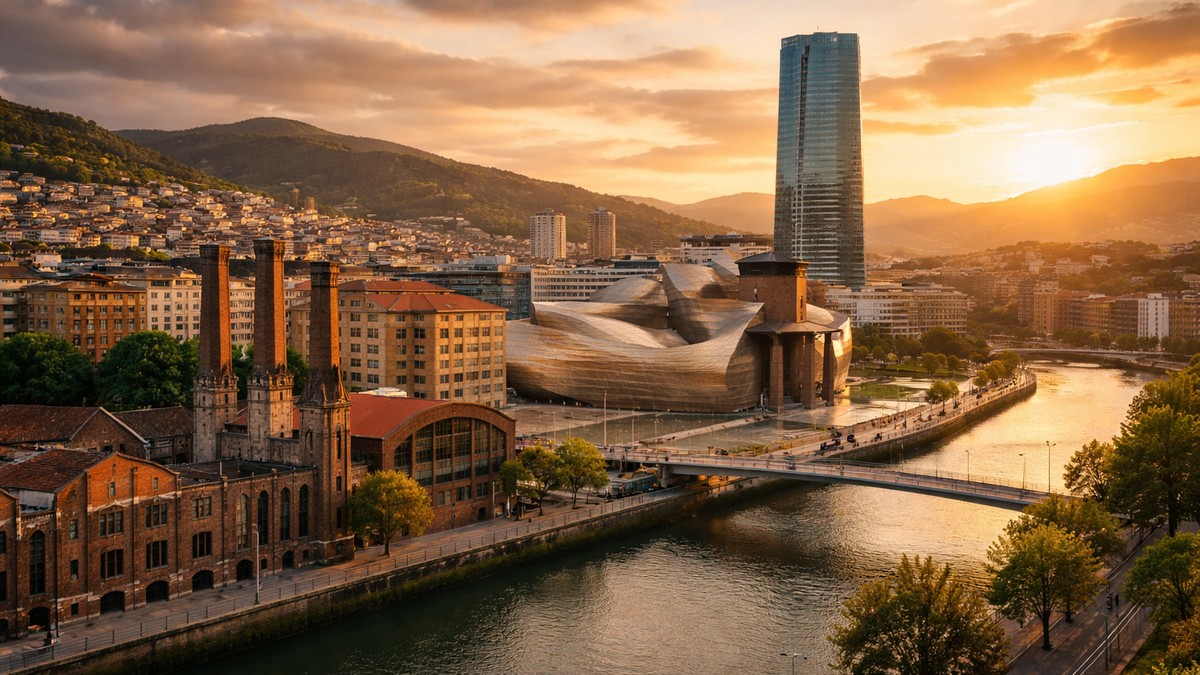
Bilbao from industrial city to cultural magnet
In the late twentieth century Bilbao was known primarily for heavy industry. Today it is synonymous with design and architecture.
Checkable fact estimate: The opening of the Guggenheim Museum Bilbao in 1997 is widely credited with catalyzing the city cultural transformation.
Visitor growth followed. Hotels improved. Culinary positioning strengthened.
Real world example 1: A European agency added a three night Bilbao extension to Northern Spain itineraries for 36 clients over two seasons. Uptake exceeded projections by 28 percent once the city was framed as an architecture and gastronomy hub rather than a transit stop.
The lesson is precision branding. One landmark sparked global attention, but sustained success came from ecosystem alignment including urban renewal and food culture promotion.
Medellin from cautionary tale to innovation hub
Medellin once appeared on cautionary lists. Today it appears on remote work blogs and innovation case studies.
Checkable fact estimate: Medellin invested heavily in public transport including cable car systems that integrated previously isolated neighborhoods.
Perception shifted gradually through infrastructure, community projects, and global storytelling.
Real world example 2: A North American operator initially struggled to sell Colombia add ons. After repositioning Medellin as a design and coffee culture city, bookings increased by 19 percent within one year among millennial clients.
The shift was not cosmetic. It was rooted in urban policy and creative sector development.
Reinvention requires substance.
Lisbon from overlooked capital to lifestyle leader
Lisbon was long overshadowed by other Western European capitals. Affordable property, tech startup growth, and culinary recognition changed that trajectory.
Checkable fact estimate: Lisbon tourism arrivals have increased significantly over the past decade, elevating the city to mainstream European status.
Air connectivity expanded. Boutique hotel inventory grew.
Real world example 3: A UK agency replaced Madrid in a Iberian twin city package with Lisbon for 48 clients. Average stay length increased from two nights to three and ancillary spending on food tours rose by 23 percent.
Lisbon positioned itself as lifestyle forward rather than monument heavy.
The change was experiential not just infrastructural.
Dubai from transit stop to destination brand
Dubai once functioned primarily as a layover hub. Today it markets itself as a full spectrum destination.
Checkable fact estimate: Dubai has invested heavily in large scale attractions, hospitality development, and global events to diversify tourism appeal.
Luxury retail, desert experiences, and large events reframed perception.
Dubai success underscores another lesson. Reinvention at scale requires capital alignment and consistent messaging.
The city did not deny its identity. It amplified ambition.
Reinvention at a glance
| Destination | Old perception | Reinvention driver | Commercial outcome |
|---|---|---|---|
| Bilbao | Industrial | Cultural flagship | Higher city break appeal |
| Medellin | High risk | Infrastructure and creativity | Growing urban tourism |
| Lisbon | Secondary capital | Lifestyle branding | Longer stays |
| Dubai | Transit hub | Mega development | Premium positioning |
The common thread is narrative discipline supported by investment.
What this means for travel agencies
Reinvention is opportunity if agencies track it early.
Actionable steps
• Monitor urban development and cultural investment news
• Test emerging cities with small group departures before mainstream adoption
• Update itinerary copy to reflect new identity not legacy perception
• Watch hotel rate trends in reinvented markets for volatility
• Use price monitoring tools such as Rebookify to protect margin as demand spikes and rates fluctuate
Newly popular destinations often experience pricing swings as supply catches up with demand.
Agencies that monitor refundable bookings can capture rate drops when market enthusiasm stabilizes.
Early positioning delivers commercial upside. Late adoption leads to price competition.
Common mistakes
• Selling outdated perceptions
• Ignoring safety and infrastructure progress
• Overhyping without substance
• Failing to adjust pricing as demand increases
• Treating reinvention as a temporary trend
Reinvention works when it is anchored in authentic change.
Quick takeaways
• Narrative drives commercial repositioning
• Infrastructure investment sustains image change
• Early agency adoption creates advantage
• Pricing volatility follows reinvention
• Monitoring protects margin during growth cycles
Conclusion
The story of Destinations That Successfully Reinvented Themselves is ultimately about strategic alignment. Cities and regions that redefine themselves do so through deliberate investment, cohesive storytelling, and responsiveness to traveler psychology. For agencies the lesson is clear. Stay informed. Adjust narratives quickly. Protect margins as markets evolve. Reinvention is not just a civic ambition. It is a commercial signal worth reading carefully.