February 7, 2026
Destinations Where English Is Rare But Travel Is Still Easy
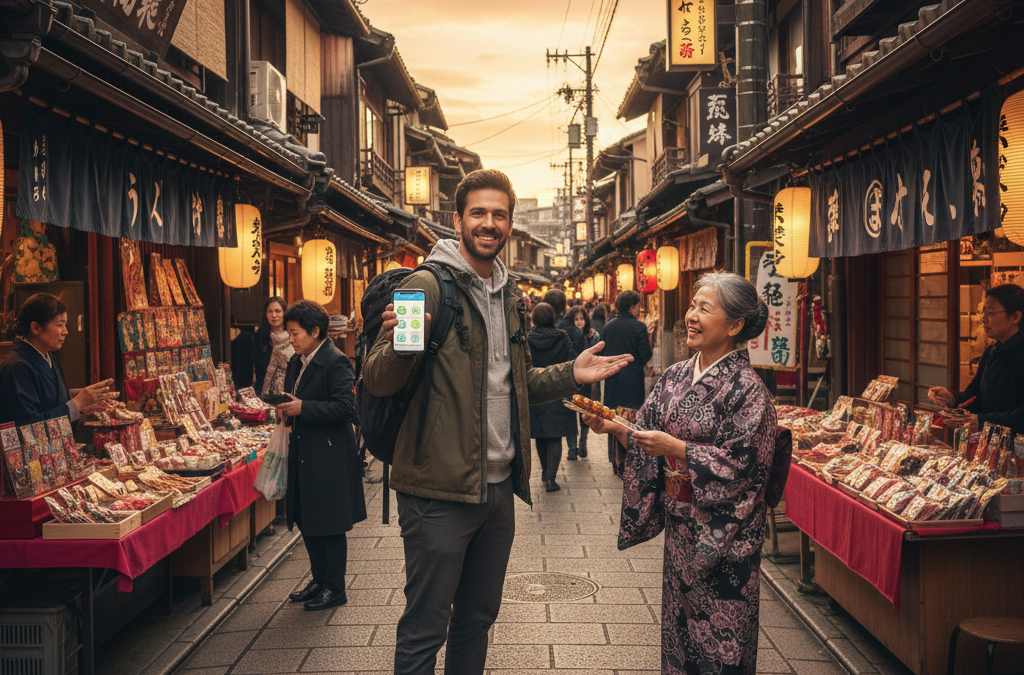
Here is the uncomfortable truth most travelers never admit.
English fluency is not what makes a destination easy.
Systems do.
The smoothest trips today happen in countries where you barely hear English spoken on the street but never feel lost for a second. Trains run on time. Signs make sense. Payment works everywhere. Your phone fills the gaps.
The real travel divide is no longer language. It is infrastructure.
That shift is quietly reshaping how confident travelers choose destinations and how agencies should be designing itineraries.
Why Language Barriers Matter Less Than Ever
Strong thesis
The easiest destinations today are not English speaking countries but countries that are built for movement clarity.
What matters more than shared language is whether a place is designed to guide you without explanation.
Think about what actually causes stress while traveling.
• Missing transport connections
• Confusing ticket systems
• Unclear signage
• Cash only payments
• Staff unable to assist logistically
Language is rarely the main culprit.
What Makes a Destination Easy Without English
Transport Systems That Do Not Require Conversation
If a country has reliable public transport with:
• Color coded lines
• Numbered exits
• Platform displays
• Timed connections
You do not need small talk.
Japan and South Korea are textbook examples. A traveler can complete an entire journey without speaking a single sentence.
Digital Translation Does the Heavy Lifting
According to an estimate from Google Travel data, over 70 percent of travelers now rely on translation apps at least once per trip.
This changes everything.
* Menus
* Ticket machines
* Street signs
* Emergency information
All become readable instantly.
Visual Navigation Replaces Verbal Instructions
The most travel friendly countries design experiences visually.
• Pictograms
• Arrows
• Floor markings
• Station maps
• Landmark based directions
These reduce dependence on spoken language almost entirely.
Destinations Where English Is Rare But Travel Is Easy
Japan
English usage is limited outside hotels and airports.
Yet Japan remains one of the easiest countries to navigate.
Why it works:
• Rail networks run with minute level precision
• Ticket machines offer clear multilingual options
• Stations use universal symbols
• Cashless payment is expanding rapidly
Example
A couple traveling Tokyo Kyoto Osaka spent seven days using trains exclusively and completed over 18 rides with zero verbal interaction. Total transport cost averaged 9 dollars per ride.
South Korea
Outside Seoul tourist zones English drops quickly.
Logistics remain flawless.
Why it works:
• Subway systems are intuitive
• Digital payments accepted everywhere
• Kakao and Naver apps simplify navigation
• Hotels handle logistics efficiently
Example
A solo traveler completed Busan Seoul Jeonju using high speed rail for under 120 dollars total including seat reservations.
Portugal
English proficiency exists but is not universal outside cities.
Still extremely easy.
Why it works:
• Compact geography
• Walkable cities
• Clear intercity train routes
• Strong hospitality culture
Example
A family of four moved Lisbon Coimbra Porto using regional trains with zero planning stress. Travel time stayed under three hours per leg.
Turkey
English levels vary widely.
Infrastructure compensates.
Why it works:
• Domestic flights are affordable and frequent
• Visual signage dominates transport hubs
• Tourism staff trained in logistics even if language is limited
Example
An Istanbul Cappadocia Antalya itinerary using flights and buses cost under 200 dollars per person in total transit.
Taiwan
English is rare in daily life.
Travel is remarkably smooth.
Why it works:
• MRT systems are clean and intuitive
• High speed rail connects cities efficiently
• Digital ticketing is frictionless
Example
A traveler completed Taipei Taichung Kaohsiung in four days without renting a car or speaking English once outside hotels.
Decision Making Table
| Destination | English Usage | Transport Ease | Digital Support | Stress Level |
|---|---|---|---|---|
| Japan | Low | Very High | Very High | Very Low |
| South Korea | Low | Very High | High | Very Low |
| Portugal | Moderate | High | High | Low |
| Turkey | Low to Moderate | High | Moderate | Low |
| Taiwan | Low | Very High | High | Very Low |
What This Means for Travel Agencies
Agencies should stop filtering destinations by English proficiency.
Instead focus on:
• Transport clarity
• Digital readiness
• Payment accessibility
• Infrastructure reliability
Actionable steps:
• Build itineraries around train and metro systems
• Pre load translation and navigation apps for clients
• Highlight ease of movement not language
• Rebook hotels near transport hubs to reduce friction
This is where tools like Rebookify quietly add value. When clients stay flexible in non English destinations, rebooking better located hotels after price drops can improve both comfort and margin.
Common Mistakes
• Assuming English equals ease
• Overbooking guided tours unnecessarily
• Avoiding destinations based on language fear
• Ignoring transport centric hotel locations
• Underestimating digital tools
Quick Takeaways
• Language is no longer the main travel barrier
• Infrastructure determines ease not fluency
• Digital tools bridge most communication gaps
• Non English destinations often deliver smoother travel
• Agencies should design for movement clarity
Conclusion
Travel confidence today is not about speaking the language.
It is about trusting the system.
Destinations where English is rare but travel is easy are often the most rewarding. They offer cultural depth without chaos and independence without stress.
For travelers and agencies alike, the future belongs to places that guide you clearly even when words are unfamiliar.
And that is where smart planning quietly outperforms loud reassurance.