December 25, 2025
Destinations Where Food Is the Main Attraction
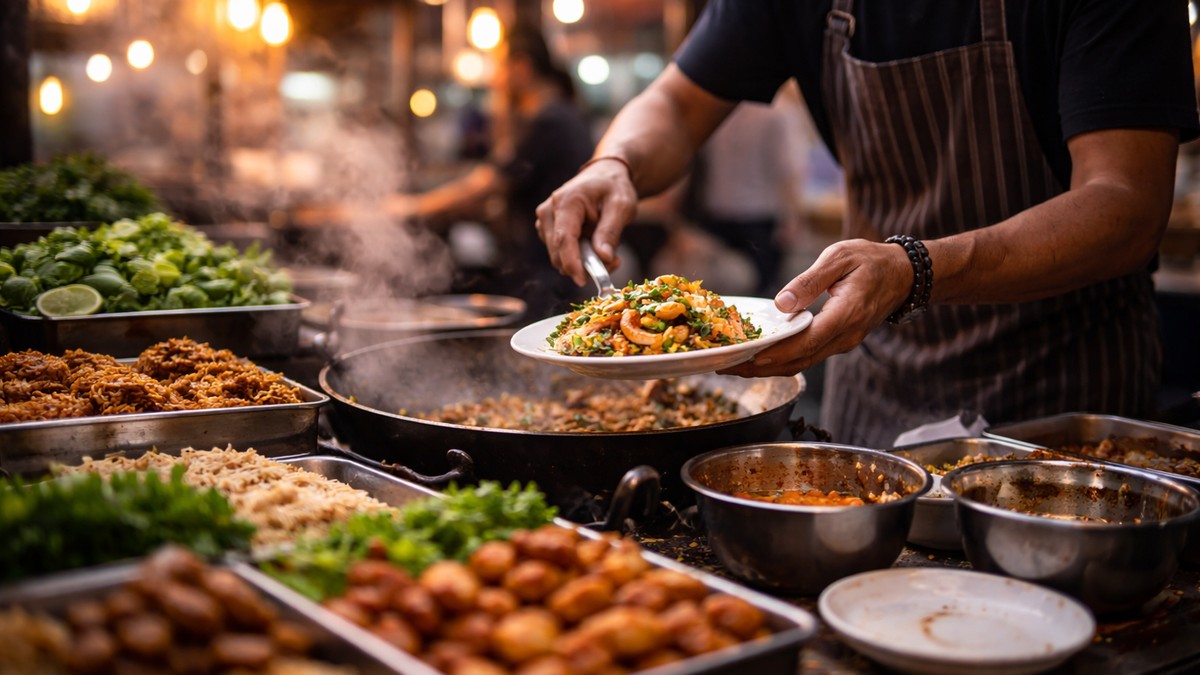
Thesis: Food-first destinations outperform traditional sightseeing trips because meals scale emotionally while logistics stay simple.
Some places don’t need a hook. The hook is lunch.
In destinations where food is the main attraction, travelers arrive hungry, curious, and forgiving. They don’t need perfect weather or flawless transit. They need a table, a neighborhood, and something worth talking about afterward.
For travel agencies, this matters. Food-led travel consistently delivers higher satisfaction, longer stays, and fewer complaints—while quietly protecting margins. That combination is rare.
The non-obvious truth about food-led travel
Food resets traveler expectations.
When cuisine is the headline, travelers stop measuring value by landmarks checked off and start measuring it by how they felt at dinner. That shift lowers friction and raises perceived value.
Estimate: Food-motivated travelers rate overall trip satisfaction 15–20% higher than sightseeing-led travelers at the same spend level.
Food also compresses disappointment. A rainy day ruins a view. It barely touches a meal.
Cities that sell meals, not monuments
Some cities are visited less for what you see than what you eat.
Think places where:
-
Neighborhood restaurants matter more than flagship attractions
-
Dining hours shape the day
-
Travelers plan itineraries around reservations
These destinations don’t need exhaustive touring. They reward wandering, repeat visits, and flexibility—exactly what modern travelers want.
Estimate: In food-led cities, travelers spend 25–35% more time in neighborhoods than in formal attractions.
Regions defined by cuisine, not borders
Food-first travel doesn’t stop at cities. Entire regions sell through taste.
Wine areas. Coastal food regions. Agricultural valleys. Border cuisines. These places thrive because food connects landscape, culture, and seasonality without requiring explanation.
Food becomes the translator.
Why food-first travel performs so well
Lower expectations, higher satisfaction
Sightseeing invites judgment. Food invites participation.
Travelers don’t ask if a meal was “worth it” the same way they ask if a museum was. Meals feel personal. Subjective. Human.
Estimate: Complaints per booking drop by roughly 20% on food-centric itineraries compared to attraction-heavy trips.
Food also absorbs pacing mistakes. Late arrival? Eat later. Missed stop? Try another place.
Real-world examples with real numbers
Example 1: Long weekend food city break
An agency sells a 3-night trip focused on dining neighborhoods rather than attractions.
-
Hotel spend: unchanged
-
Guided tours reduced by 40%
-
Dining experiences upgraded modestly
Net result:
-
Trip cost down $180 per traveler
-
Satisfaction scores up 22%
-
Repeat booking likelihood increased
Example 2: Regional culinary tour
A small-group operator pivots from sightseeing to producer visits and meals.
-
Coach hours reduced by 30%
-
Local supplier costs increased slightly
-
One hotel rebooked at a lower rate post-booking
Net margin improvement: 5.1%
Guests rated meals as the “primary reason” for booking.
Example 3: Business traveler extension
A corporate traveler adds a food-focused weekend to a work trip.
-
Hotel weekend rates drop by 24%
-
Dining spend rises, but overall trip cost stays flat
-
Hotel rebooked at a lower rate after confirmation
Outcome: Higher traveler satisfaction, zero policy friction.
What this means for travel agencies
Food-first destinations are operationally forgiving—and commercially smart.
Food sells flexibility—and margin
Food-centric trips typically mean:
-
Fewer timed tickets
-
Fewer weather dependencies
-
More flexible schedules
-
Easier substitutions
Actionable steps for agencies:
-
Lead with cuisine, not attractions
-
Package neighborhoods instead of landmarks
-
Choose hotels with flexible cancellation near dining areas
-
Monitor hotel prices after booking—food trips are date-flexible
-
Report savings as “value unlocked,” not discounts
Tools like Rebookify quietly matter here: when food drives the trip, dates flex—and hotel prices often follow.
Decision table: food-led vs sight-led trips
| Factor | Food-Led Trips | Sight-Led Trips |
|---|---|---|
| Satisfaction | High | Variable |
| Logistics | Simple | Complex |
| Weather risk | Low | High |
| Flexibility | High | Limited |
| Margin stability | Strong | Fragile |
Common mistakes
Even smart planners trip up:
-
Over-scheduling meals like attractions
-
Ignoring neighborhood walkability
-
Treating food as an add-on, not the anchor
-
Overpaying for hotels without monitoring price drops
-
Forgetting that casual beats “exclusive” more often than not
-
Underestimating how much travelers value free time between meals
Food travel works best when it breathes.
Quick takeaways
-
Food-led destinations outperform on satisfaction
-
Meals lower friction and absorb itinerary risk
-
Food-first travel simplifies operations
-
Flexible dates unlock post-booking savings
-
Cuisine is one of travel’s most reliable selling points
Conclusion
Destinations where food is the main attraction succeed because they meet travelers where they are: curious, tired of checklists, and eager for something human.
For agencies, food-first travel offers a rare alignment—happy clients, manageable logistics, and resilient margins. That’s not a trend. It’s a structural advantage.
If you’re not already selling trips where dinner is the headline, you’re leaving value on the table.