January 19, 2026
Edinburgh vs Glasgow: Which beloved Scotland city will you see next?
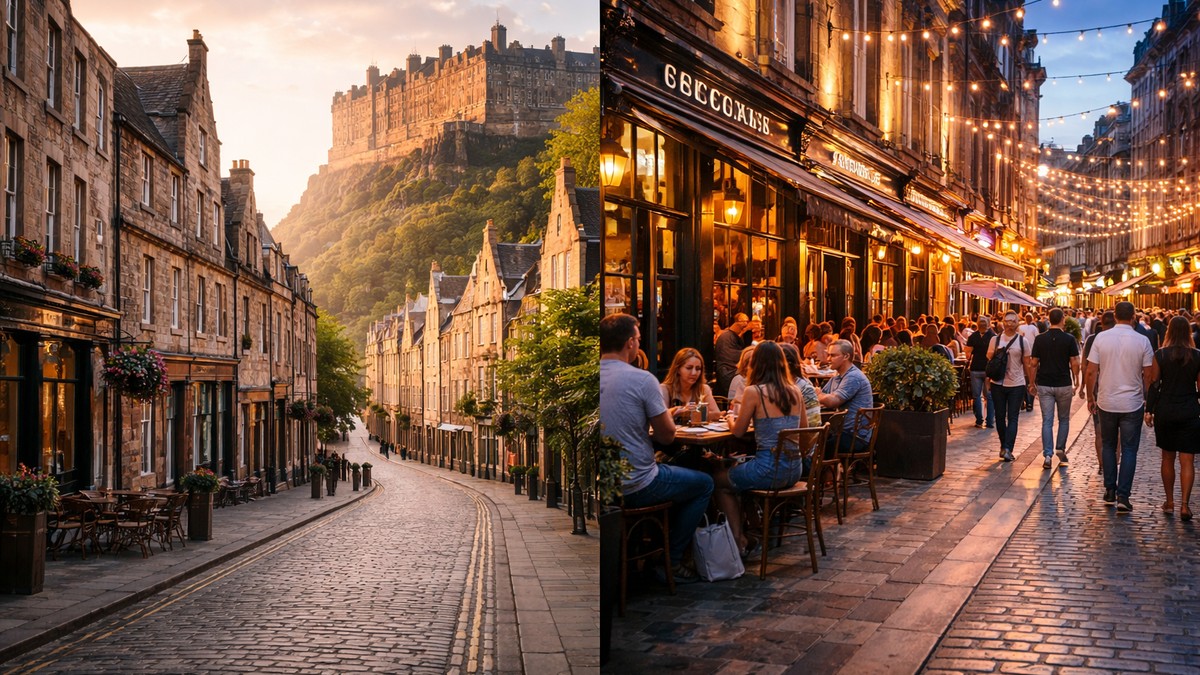
Thesis: The right city choice between Edinburgh and Glasgow depends far more on client personality and travel style than on attractions or reputation.
Edinburgh vs Glasgow: Which beloved Scotland city will you see next? is not a popularity contest. It is a commercial and experiential decision that shapes satisfaction, reviews, and repeat business.
Both cities are compelling. Both are culturally rich. Both are easy to sell. Yet they deliver fundamentally different experiences. Agencies that treat them as interchangeable often see mixed feedback. Agencies that position them with clarity see higher conversion and stronger loyalty.
This article focuses on helping travel professionals understand how these two cities actually perform with real clients.
Why These Two Cities Feel So Different
Atmosphere and rhythm
Edinburgh feels curated. Architectural drama. Storybook streets. A sense of spectacle. Visitors feel as though they have stepped into a stage set of history.
Glasgow feels lived in. Creative. Casual. Conversations happen easily. Culture feels contemporary rather than preserved.
Neither is better. They simply attract different travelers.
Visitor expectations
Edinburgh often attracts clients who want iconic visuals and classic European atmosphere. Glasgow attracts clients who want authenticity, energy, and cultural depth without heavy crowds.
When expectation aligns with city personality, satisfaction is high. When it does not, disappointment follows.
Edinburgh Strengths
Heritage and aesthetics
Edinburgh Old Town and New Town are recognized as a UNESCO World Heritage site for their architectural and historical value estimate. The city delivers instant visual impact.
Clients value walkability, scenic viewpoints, and a strong sense of place. Edinburgh consistently performs well for short breaks, first time UK visitors, and culturally curious travelers.
Festival driven demand
Edinburgh hosts one of the largest arts festivals in the world every August estimate. During this period, accommodation demand spikes and pricing rises sharply.
Agencies that manage this season well can achieve strong commercial results. Agencies that fail to manage expectations around crowd levels can face complaints.
Commercial positioning
Edinburgh is easier to sell quickly. It is familiar. It photographs beautifully. It aligns with many client preconceptions of Scotland.
That familiarity makes it commercially powerful but also more competitive and more sensitive to pricing shifts.
Glasgow Strengths
Culture and creativity
Glasgow is known for music, design, food culture, and contemporary art. The city has produced globally recognized creative talent across industries estimate.
For clients who want a living city rather than a museum city, Glasgow often outperforms expectations.
Value and accessibility
Hotel pricing in Glasgow is often lower than comparable quality accommodation in Edinburgh estimate. This creates opportunity for agencies to offer strong value without compromising experience.
Dining and nightlife are more affordable. Public transport is simple. The atmosphere feels approachable rather than formal.
Client profile fit
Glasgow tends to resonate with
Younger travelers
Creative professionals
Repeat UK visitors
Clients who value authenticity
Travelers who dislike heavy crowds
Agencies that position Glasgow confidently often find it becomes a client favorite rather than a compromise.
Real world outcomes from agency bookings
Example one first time UK couple
A couple booked three nights in Edinburgh followed by two nights in Glasgow. Their post trip feedback rated Edinburgh eight out of ten and Glasgow nine out of ten. They expected to love Edinburgh more but felt more emotionally connected to Glasgow. They returned the following year for a longer Glasgow based itinerary estimate.
Example two solo traveler in her thirties
A solo traveler requested Edinburgh due to familiarity. The consultant proposed Glasgow based on her interest in food, music, and independent culture. She booked Glasgow with two day trips. Her satisfaction score was ten out of ten and she left multiple positive reviews naming the agency estimate.
Example three corporate bleisure traveler
A business traveler extended a Glasgow work trip into a leisure weekend after agency suggestion. Total booking value increased by forty percent compared to the original itinerary estimate. The traveler later requested the same advisor for a family holiday.
What This Means for Travel Agencies
Matching city to client
The smartest agencies do not ask which city clients want. They ask how clients like to travel.
Clients who value
Visual beauty
Historic storytelling
Walkable sightseeing
Classic European atmosphere
often prefer Edinburgh
Clients who value
Local culture
Food and music
Contemporary life
Relaxed energy
often prefer Glasgow
This is not about upselling. It is about accurate matching.
Itinerary strategy
Edinburgh itineraries work well when structured around
Short walks
Viewpoints
Museums
Guided storytelling tours
Day trips to Highlands
Glasgow itineraries work best when structured around
Neighborhood exploration
Food experiences
Live music
Galleries
Local guides
Casual pacing
When itineraries reflect city character, the experience feels coherent rather than forced.
Margin and operational thinking
Hotel pricing in both cities fluctuates significantly by season and demand. Edinburgh pricing is especially volatile during festivals and peak months.
Agencies that use flexible hotel rates have an opportunity to improve margin after booking when prices drop. This is where tools like Rebookify fit naturally by monitoring hotel prices after booking and enabling rebooking when rates fall. Same suppliers. Same bookings. Stronger commercial outcomes.
This allows agencies to focus on client experience while maintaining profitability.
Common mistakes
1 Treating Edinburgh and Glasgow as interchangeable products
2 Selling only Edinburgh because it feels easier
3 Ignoring client personality when recommending city choice
4 Underusing Glasgow due to lack of familiarity
5 Overscheduling both cities instead of letting their rhythm guide pacing
6 Failing to explain differences clearly during the sales conversation
Quick takeaways
1 Edinburgh and Glasgow deliver very different emotional experiences
2 Client fit matters more than city reputation
3 Glasgow often outperforms expectations when positioned well
4 Edinburgh requires careful management during peak periods
5 Clear positioning improves satisfaction and referrals
The bottom line
Edinburgh vs Glasgow: Which beloved Scotland city will you see next? is not just a client question. It is a strategic opportunity for travel agencies.
When advisors understand the true character of each city, they move from selling destinations to curating experiences. That shift builds trust. It improves outcomes. It strengthens loyalty.
Edinburgh will always impress.
Glasgow will often surprise.
Agencies that confidently recommend the right city for the right client become not just bookers, but trusted travel partners.