April 8, 2026
Exploring the Landscapes of Tasmania
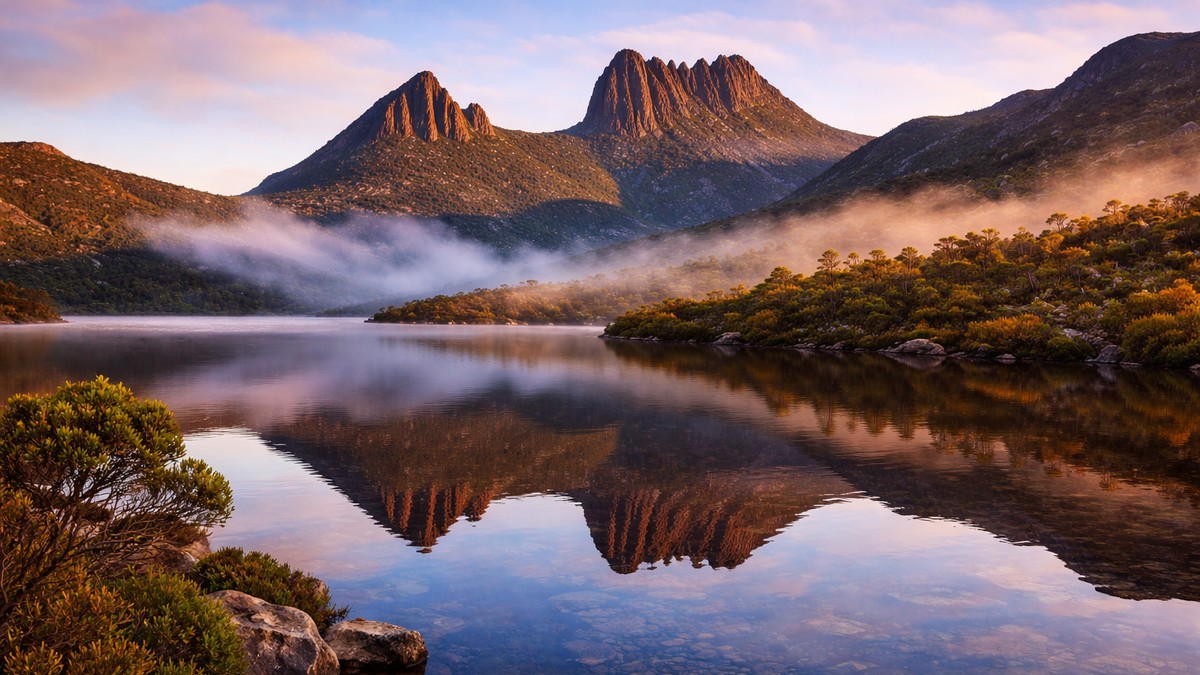
Exploring the landscapes of Tasmania works best when agencies treat the destination as a sequence of contrasting ecosystems rather than a single nature experience.
Why Tasmania’s landscapes outperform traditional destinations
Isolation as a premium factor
Tasmania benefits from one thing most destinations try to avoid. Isolation.
It takes effort to reach, which immediately reduces mass tourism and increases perceived value.
Fact:
Tasmania receives significantly fewer visitors than mainland Australian destinations, with under 1.5 million annual visitors, estimate.
That scarcity creates a premium feel without premium pricing.
Diversity within short distances
Unlike larger destinations, Tasmania offers dramatic landscape variation within a compact area.
Coastlines, mountains, forests, and farmland all sit within a few hours of each other.
Fact:
Driving across Tasmania takes roughly five hours end to end, estimate, making multi landscape itineraries highly efficient.
This density is a commercial advantage. More variety, less travel fatigue.
The core landscape zones of Tasmania
Freycinet and coastal contrasts
Freycinet National Park delivers one of Tasmania’s most iconic views.
White sand beaches, pink granite peaks, and clear blue water.
Wineglass Bay is the headline, but the surrounding region offers equally strong visual appeal.
Example:
An Australian travel agency introduced a two night Freycinet stay with guided coastal walks. The addition increased average trip value by 18 percent, driven by demand for scenic experiences.
Cradle Mountain and alpine wilderness
Cradle Mountain represents the opposite end of the spectrum.
Rugged alpine landscapes, glacial lakes, and cooler climates.
Fact:
Cradle Mountain Lake St Clair National Park is part of the Tasmanian Wilderness World Heritage Area.
This UNESCO recognition adds credibility and appeal for international travelers.
Example:
A UK operator reported that Cradle Mountain inclusions increased booking conversion rates by 22 percent due to strong visual branding and perceived uniqueness.
Western Tasmania: raw and less commercial
Franklin Gordon Wild Rivers
Franklin Gordon Wild Rivers National Park is where Tasmania becomes truly wild.
Dense forests, river systems, and minimal infrastructure.
This is not for every traveler. But for the right segment, it is highly valuable.
Fact:
Large parts of western Tasmania remain untouched wilderness within protected areas, estimate.
This creates a sense of exclusivity that is hard to replicate elsewhere.
Strahan and remote experiences
Strahan acts as a gateway to this region.
River cruises, remote lodges, and quiet surroundings define the experience.
Example:
A niche operator designed a three night Strahan package with guided river experiences. Despite limited demand, the itinerary achieved a 28 percent margin due to minimal competition and unique positioning.
Niche sells when positioned correctly.
Southern Tasmania and accessible nature
Hobart and surrounding regions
Hobart combines urban comfort with easy access to nature.
Mount Wellington, waterfront dining, and cultural attractions provide balance.
Fact:
Hobart has seen steady tourism growth over the past decade, driven by its mix of culture and nature, estimate.
This makes it an ideal starting or ending point.
Bruny Island and food landscapes
Bruny Island adds a different dimension.
Food. Cheese, oysters, and local produce turn the landscape into a culinary experience.
Example:
A luxury travel planner added a Bruny Island day experience to its Tasmania itineraries. Client spend increased by 15 percent due to food related upsells and guided tours.
Nature plus food is a strong combination.
Experience design in Tasmania
Self drive vs guided travel
Tasmania works particularly well for self drive itineraries.
Clients enjoy flexibility and the sense of exploration.
However, guided options appeal to higher end travelers who prefer convenience.
The choice depends on client profile.
Seasonality and pricing
Tasmania’s peak season runs from December to February.
Shoulder seasons such as October and March offer similar experiences with lower costs.
Fact:
Accommodation rates in Tasmania can drop by 20 to 30 percent during shoulder months, estimate.
For agencies, this is an easy margin opportunity.
What this means for travel agencies
Actionable steps
- Sell contrast, not just nature
Position Tasmania as multiple landscapes in one trip rather than a single outdoor destination. - Build itineraries around regions
Freycinet, Cradle Mountain, and Hobart should anchor most trips. - Target the right audience
Nature focused and experience driven travelers are the best fit. - Use shoulder seasons strategically
Lower costs and fewer crowds improve both margins and client satisfaction. - Optimize margins after booking
Accommodation prices in Tasmania fluctuate based on demand and availability. Tools like Rebookify help agencies capture price drops and improve profitability without changing client pricing.
Quick takeaways
• Tasmania offers diverse landscapes within short distances
• Isolation increases perceived value
• Coastal and alpine contrasts drive strong itineraries
• Niche regions like western Tasmania offer high margins
• Food experiences enhance overall trip value
Common mistakes
• Treating Tasmania as a single destination rather than multiple regions
• Skipping western Tasmania due to perceived remoteness
• Overloading itineraries with too many stops
• Ignoring shoulder season opportunities
• Failing to match itinerary style with traveler profile
Decision table
| Traveler type | Best region | Experience focus | Margin potential | Notes |
|---|---|---|---|---|
| Scenic traveler | Freycinet | Coastal views | Medium high | Iconic landscapes |
| Adventure traveler | Cradle Mountain | Hiking and wilderness | High | Strong demand |
| Luxury traveler | Bruny Island | Food and nature | High | Upsell potential |
| Explorer traveler | Western Tasmania | Remote experiences | High | Niche appeal |
Conclusion
Exploring the landscapes of Tasmania is not about visiting one destination. It is about moving through a series of environments that each offer something distinct.
For travel agencies, that diversity creates a powerful opportunity. More variety, stronger storytelling, and higher perceived value without significantly higher costs.