March 12, 2026
Exploring the Canals of Amsterdam: A Smarter Way
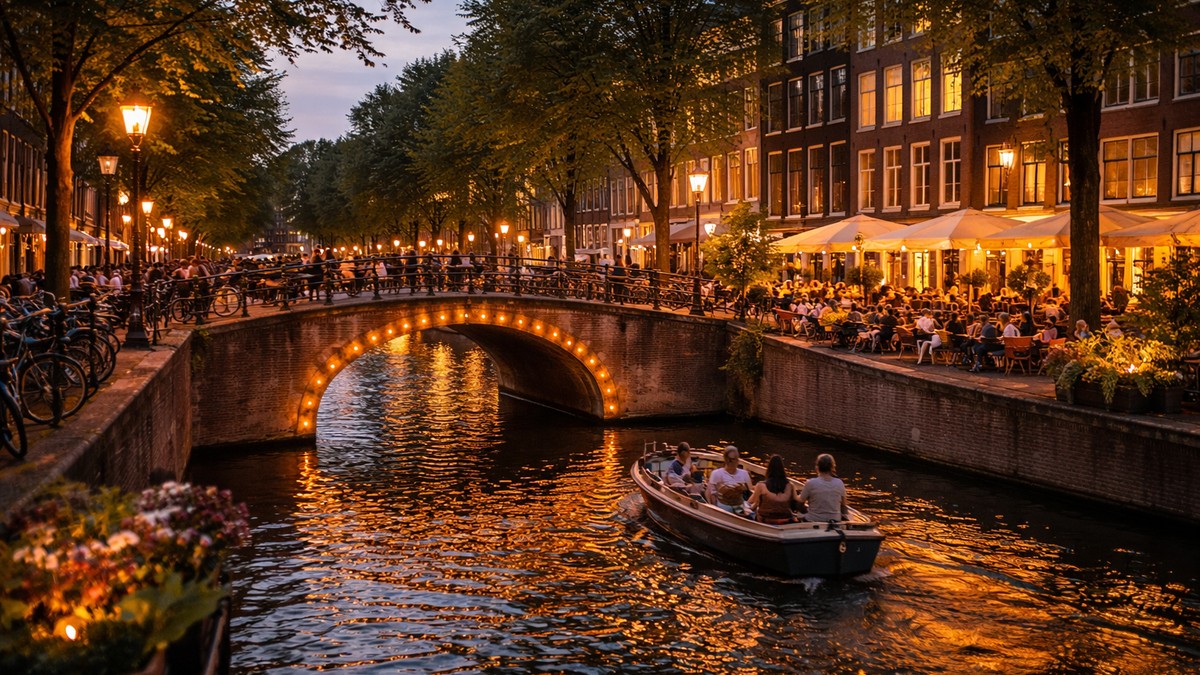
The canals of Amsterdam are often treated like scenery. Visitors photograph them, take a quick boat ride, and move on.
That approach misses the point.
The real insight behind Exploring the Canals of Amsterdam is this. The canals are not just a backdrop to the city. They are the framework that organizes its culture, neighborhoods, and daily life.
Built in the seventeenth century during the Dutch Golden Age, the canal network turned Amsterdam into one of the most sophisticated urban environments in Europe. Today the same waterways help travelers navigate the city’s history, architecture, and cultural rhythm.
For travel planners and advisors, understanding the canal system is the fastest way to design a compelling Amsterdam itinerary.
Why Exploring the Canals of Amsterdam Is the Key to Understanding the City
The canal ring urban design
Amsterdam’s historic canal ring was constructed between 1585 and 1665 during the city’s rapid economic expansion.
The three primary canals form concentric arcs around the old city center.
In 2010 the canal ring was recognized as a UNESCO World Heritage Site because of its historical urban planning significance.
The canal network stretches for roughly 100 kilometers with more than 1,500 bridges according to the Amsterdam municipality.
Few European cities offer such a cohesive historical layout.
Why canals define neighborhood culture
Each canal ring historically reflected social hierarchy.
Merchant elites lived along the most prestigious canals while craftsmen and traders lived closer to the outer areas.
Even today the canal neighborhoods retain distinct identities.
For travelers this means that walking only a few streets can dramatically change the atmosphere.
The Three Main Canal Rings
Herengracht
Herengracht was historically the most prestigious address in Amsterdam.
Many canal houses here belonged to wealthy merchants and political leaders.
Elegant mansions line the canal including the famous Golden Bend section.
Real world example
A luxury travel group booked accommodations near Herengracht and paid about €420 per night for canal view rooms. Despite the price the location reduced transport needs and allowed the group to explore most attractions on foot.
Keizersgracht
Keizersgracht is the widest of the major canals.
Its scale gives the canal a slightly calmer atmosphere compared with the busier inner areas.
Several historic churches and cultural institutions are located nearby.
Prinsengracht
Prinsengracht is the longest canal and one of the most lively.
Major attractions here include:
• Anne Frank House
• Jordaan neighborhood
• Noordermarkt
The Anne Frank House receives roughly 1.3 million visitors annually according to the museum’s visitor statistics.
Experiences That Make the Canals Memorable
Canal boat tours
Boat tours remain one of the easiest ways to understand Amsterdam’s layout.
There are more than 150 canal cruise operators working throughout the city according to tourism estimates.
Typical tours last about 60 to 90 minutes.
Real world example
A corporate travel group opted for a private evening canal cruise costing about €650 for twelve guests. The experience doubled as both sightseeing and networking space.
Walking the Nine Streets district
The Nine Streets area sits between several canals and contains some of the city’s most interesting independent boutiques and cafés.
Travelers often combine:
• canal photography
• small gallery visits
• local food stops
The district’s compact layout makes it ideal for relaxed exploration.
Evening canal views
Amsterdam’s canals change dramatically at night.
Bridges illuminate the water and historic homes glow under soft lighting.
A simple evening walk can become one of the most memorable moments of the trip.
Hidden Canal Experiences Travelers Often Miss
Residential canals
Away from the busiest areas the canals feel far quieter.
Districts such as Oud West and parts of Jordaan reveal everyday Amsterdam life.
Travelers often report that these areas feel far more authentic.
Local markets along canals
Several weekly markets operate along canal streets.
Notable examples include:
• Noordermarkt organic market
• Albert Cuyp market nearby
• Waterlooplein flea market
Real world example
A couple exploring Noordermarkt spent about €18 total on street food and pastries while enjoying canal side seating. It replaced what would have been a much more expensive restaurant meal.
Museum viewpoints
Several museums provide unique canal perspectives.
Examples include:
• Museum Van Loon
• FOAM photography museum
• Houseboat Museum
These locations reveal the interior design of historic canal houses.
Planning Canal Based Itineraries
Smart itineraries treat canals as navigation corridors rather than random sightseeing points.
| Area | Highlights | Suggested Time |
|---|---|---|
| Canal Ring Center | Herengracht Keizersgracht | Two hours walking |
| Jordaan District | Prinsengracht Noordermarkt | Two to three hours |
| Nine Streets | Boutiques cafés galleries | One to two hours |
| Evening Canal Walk | Bridge lights photography | One hour |
Amsterdam is also a cycling city.
According to municipal estimates there are roughly 880,000 bicycles in Amsterdam which is slightly more than the city’s population.
Cycling along canal streets allows travelers to move quickly between neighborhoods.
Quick takeaways
• Amsterdam’s canals form the structural backbone of the city
• Walking and cycling provide the best canal experiences
• Evening canal views are often the most memorable
• The Nine Streets district blends canals with shopping and cafés
• Smaller residential canals reveal authentic local life
What this means for travel agencies
For travel agencies, canal focused itineraries provide both efficiency and storytelling.
Instead of listing isolated attractions, planners can build experiences that follow the canal ring geography.
Practical strategies include:
• designing walking routes between major canals
• combining canal cruises with dinner experiences
• recommending neighborhoods rather than only landmarks
• scheduling evening canal walks after museum visits
Hotel pricing in canal districts also fluctuates significantly during peak seasons.
Technology platforms like Rebookify allow agencies to track hotel rates after reservations are made and automatically rebook if prices drop. Agencies using this approach have reported savings between 12 and 20 percent on canal district hotels.
Common mistakes
• Taking only one canal photo and skipping exploration
• Choosing crowded daytime canal cruises only
• Ignoring quieter residential canals
• Visiting Anne Frank House without exploring Jordaan afterward
• Underestimating walking distances across the canal ring
Conclusion
Exploring the Canals of Amsterdam is not simply about seeing water and bridges. It is about understanding the structure that shaped the city’s culture, architecture, and daily life.
The canals guide visitors through neighborhoods, museums, markets, and cafés in a way few cities can match.
Travelers who use the canals as both navigation routes and cultural experiences discover a far richer version of Amsterdam.
And for travel planners, that perspective turns a simple sightseeing trip into a thoughtfully designed European journey.