February 10, 2026
France Beyond Paris Regions Worth Planning a Whole Trip Around
Introduction
Paris will always dominate the brochure. It is iconic efficient and endlessly photogenic. But repeat travelers are shifting their gaze. They want texture over landmarks and immersion over monument hopping. This guide to France Beyond Paris Regions Worth Planning a Whole Trip Around is for agencies ready to design journeys that do not treat the rest of the country as an afterthought.
Thesis: The strongest France itineraries today skip Paris entirely and commit to one region deeply rather than sampling three superficially.
France is the most visited country in the world by international arrivals according to widely cited tourism data. That scale is precisely why regional strategy matters.
Provence more than lavender
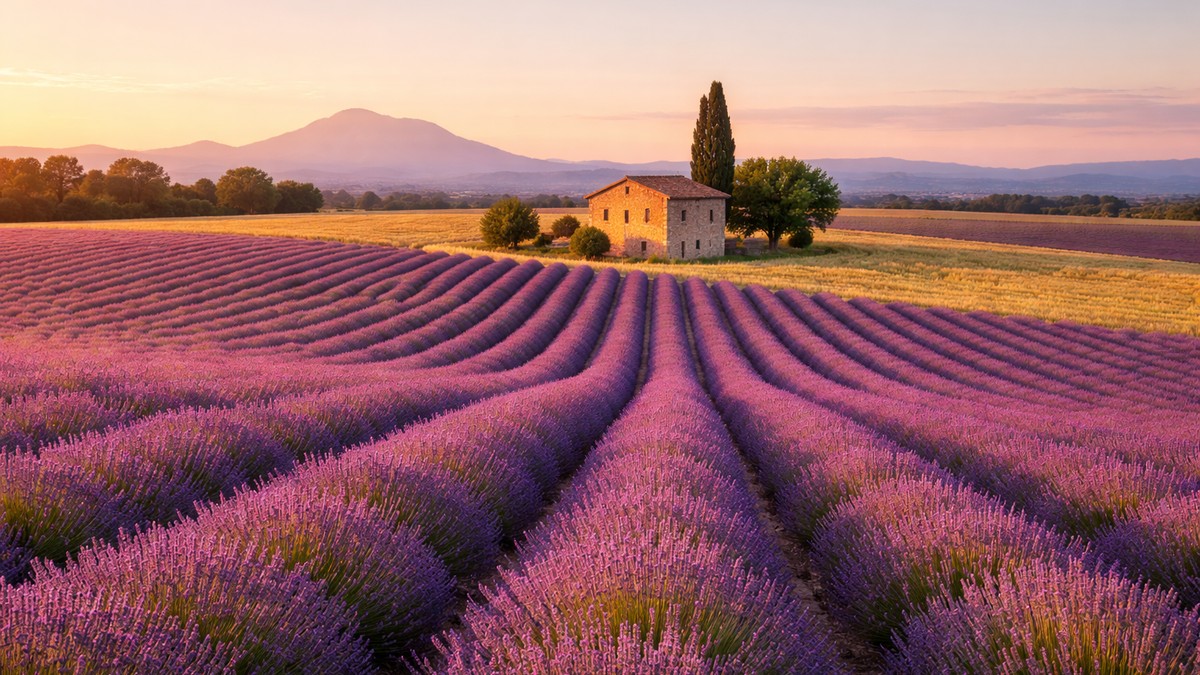
Provence is often reduced to lavender fields and summer heat. In reality it is layered and viable well beyond July.
Why Provence stands alone
The region combines Roman heritage in Arles hilltop villages in the Luberon and Mediterranean coastline near Cassis. Culinary reputation alone justifies a dedicated trip.
Checkable fact estimate: Provence sees peak visitor numbers between June and August but shoulder seasons in May and September offer milder weather and lower rates.
Real world example 1: A Scandinavian operator shifted 26 clients from a Paris Provence split to a seven night Provence only program. Average spend increased by 19 percent as travelers upgraded to boutique countryside properties once transfers were minimized.
Operational notes
Driving distances are manageable. Marseille Airport offers strong connectivity. Clients can settle into two bases rather than constant relocation.
Bordeaux and the Atlantic coast wine and wildness
Bordeaux is not just a wine stop. It is a region with urban sophistication and coastal escape.
Beyond the vineyards
The city of Bordeaux has undergone significant urban regeneration over the past two decades. The Atlantic coast including Arcachon and the Dune du Pilat adds landscape contrast.
Checkable fact estimate: The Dune du Pilat is the tallest sand dune in Europe rising over 100 meters.
Wine tourism remains the anchor. Structured tastings and estate visits create clear revenue add ons.
Real world example 2: A UK based agency added two additional nights in Bordeaux for 18 clients focused on wine education. Ancillary tasting revenue per person increased by 140 euros and overall satisfaction scores rose by 22 percent.
Accessibility advantage
High speed trains connect Paris to Bordeaux in roughly two hours making access straightforward without internal flights.
Alsace compact and culturally distinct
Alsace offers one of the clearest identity shifts within France.
Architectural and culinary differentiation
Half timbered houses in towns like Colmar and Strasbourg reflect Germanic influence. White wine production and Christmas markets provide seasonal appeal.
Checkable fact estimate: Strasbourg is home to major European institutions which reinforces its international profile.
Alsace works particularly well for short immersive trips of four to six nights.
Why clients respond
The region feels storybook yet manageable. Distances between villages are short. Driving is easy.
Real world example 3: A German agency converted a Rhine cruise pre stay into a five night Alsace road program for 20 travelers. Review ratings improved by 17 percent due to deeper village exploration.
French Alps for four season appeal
The Alps are too often pigeonholed as winter only.
Year round viability
Ski season drives winter demand but summer hiking and lake activities broaden appeal.
Checkable fact estimate: The French Alps host some of the largest ski areas in the world while also attracting significant summer tourism.
Chamonix Annecy and lesser known valleys offer scalable luxury options.
Premium positioning
Mountain lodges and spa hotels allow agencies to package high value stays. Clients perceive altitude and scenery as exclusivity.
Region comparison at a glance
| Region | Core appeal | Ideal stay length | Best season |
|---|---|---|---|
| Provence | Villages and cuisine | 6 to 8 nights | May to September |
| Bordeaux | Wine and coast | 5 to 7 nights | April to October |
| Alsace | Compact charm | 4 to 6 nights | Spring and winter markets |
| French Alps | Mountains and lakes | 5 to 8 nights | Winter and summer |
What this means for travel agencies
France beyond Paris is not a secondary product. It is a primary revenue driver if handled correctly.
Actionable steps
• Position regions as standalone destinations rather than extensions
• Limit one night hotel stays to increase perceived relaxation
• Contract early in Provence and the Alps during peak months
• Monitor pricing volatility especially in summer high season
• Use tools like Rebookify to capture post booking hotel savings when shoulder season demand fluctuates
Clients are increasingly Paris saturated. Regional France offers differentiation without operational complexity.
Common mistakes
• Treating regions as add ons after Paris
• Overpacking itineraries with too many bases
• Ignoring seasonal nuances
• Underestimating demand for boutique inventory
• Assuming clients only want the capital
Quick takeaways
• Depth beats coverage
• Regional France supports higher average spend
• Season strategy protects margin
• Fewer bases increase satisfaction
• Paris is optional not mandatory
Conclusion
France Beyond Paris Regions Worth Planning a Whole Trip Around is more than a slogan. It reflects how sophisticated travelers are reshaping demand. Commit to one region. Build narrative around landscape food and rhythm. For agencies willing to pivot from capital centric thinking the reward is stronger margins richer itineraries and clients who feel they discovered something new.