April 5, 2026
Hidden Coastal Towns of Spain That Beat the Big Beach Cities
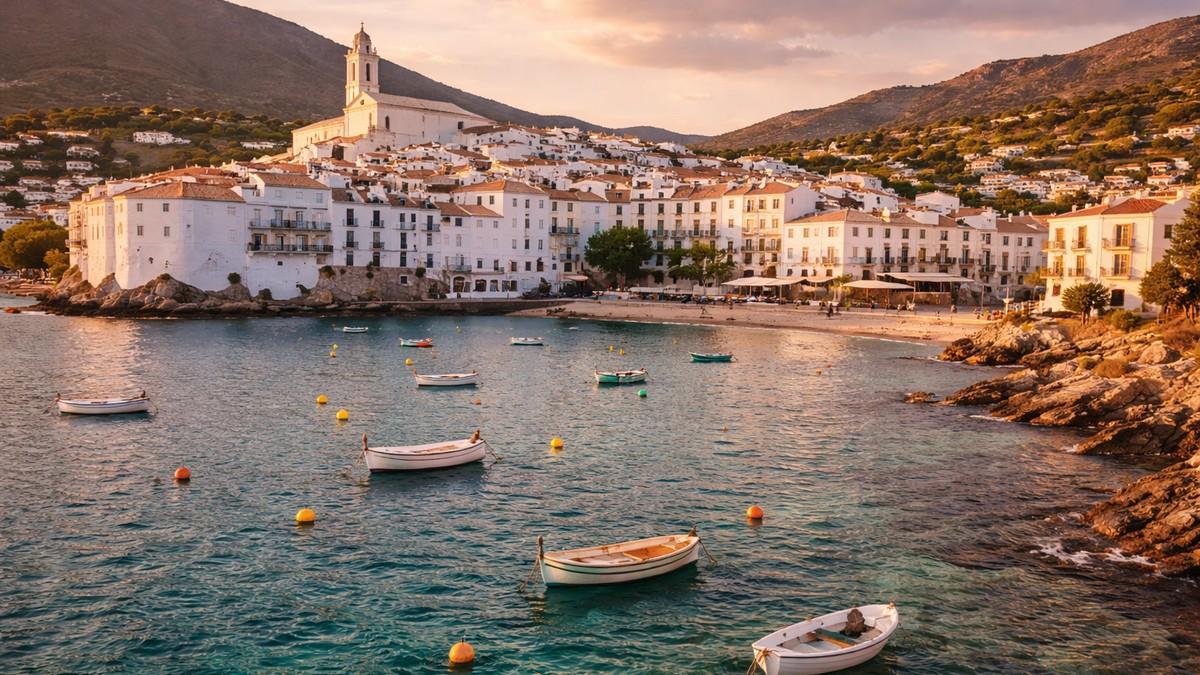
Hidden coastal towns of Spain that beat the big beach cities do so by offering a better experience at a lower perceived cost, allowing agencies to charge more while delivering less crowding.
Why smaller coastal towns outperform major beach cities
Overtourism fatigue
Major Spanish beach cities like Barcelona and Valencia face a clear challenge. Too many visitors, not enough space.
Fact:
Barcelona receives over 12 million international visitors annually, estimate, leading to crowding and rising local restrictions on tourism.
Clients are noticing. Long queues, crowded beaches, and rising prices reduce satisfaction.
Price perception and experience value
Smaller towns shift the equation.
When a destination feels undiscovered, clients perceive higher value even if pricing is similar or slightly higher.
Example:
A European travel agency replaced Barcelona beach extensions with smaller coastal towns in 30 percent of its Spain itineraries. Client satisfaction scores rose by 18 percent, while average trip value increased by 12 percent due to curated experiences and boutique accommodation.
Less crowding, more willingness to spend.
Northern Spain: cooler coasts, stronger differentiation
Cadaques and artistic appeal
Cadaques sits along the Costa Brava but feels worlds apart from mass tourism. Whitewashed houses, narrow streets, and a strong artistic heritage linked to Salvador Dali.
Fact:
Cadaques has a permanent population of fewer than 3000 residents, estimate, which limits large scale tourism infrastructure.
This scarcity creates exclusivity.
For agencies, Cadaques works best as a premium add on to Barcelona itineraries.
Getaria and culinary positioning
Getaria is small, but its culinary reputation is outsized.
Located in the Basque region, it is known for seafood and txakoli wine.
Fact:
The Basque Country has one of the highest concentrations of Michelin starred restaurants per capita in the world, estimate.
Example:
A luxury operator added a two night Getaria stay with guided food tours to its Spain packages. The upgrade increased per client spend by 22 percent, driven by dining experiences rather than accommodation.
Food sells better than beaches.
Mediterranean alternatives to overcrowded hotspots
Altea and slow travel appeal
Altea offers a quieter alternative to nearby resort heavy areas.
White buildings, blue domes, and relaxed pacing define the experience.
It attracts travelers looking for atmosphere rather than nightlife.
Nerja and balanced accessibility
Nerja sits within reach of Malaga but avoids the intensity of larger destinations.
Fact:
Nerja is known for the Balcon de Europa viewpoint and nearby caves, attracting steady but manageable visitor numbers, estimate.
This balance is key. Easy to reach, but not overcrowded.
Example:
A UK based agency shifted its Costa del Sol packages toward Nerja instead of larger resort towns. Booking volume increased by 15 percent while operational costs dropped due to lower hotel rates.
Atlantic coast gems with niche demand
Combarro and cultural authenticity
Combarro is not a typical beach destination.
Stone houses, waterfront granaries, and strong local identity make it visually distinct.
This is where storytelling becomes critical. Clients are not just buying a beach. They are buying culture.
Tarifa and activity driven travel
Tarifa sits at the southern tip of Spain where the Mediterranean meets the Atlantic.
It is known for wind sports and a younger, active crowd.
Fact
Tarifa is one of Europe’s top destinations for kitesurfing due to consistent wind conditions, estimate.
For agencies, Tarifa works as an activity focused destination rather than a relaxation product.
Experience design in hidden coastal towns
Short stays vs regional circuits
Hidden towns rarely work as standalone destinations for long trips.
They perform best as part of a broader itinerary.
- - Combine city plus coast
- Or multiple coastal towns in a circuit
This increases variety without increasing travel fatigue.
Seasonality advantages
Smaller towns handle shoulder seasons better than major cities.
They are less dependent on peak summer demand and offer more consistent pricing.
Fact:
Shoulder season pricing in smaller coastal towns can be 20 to 30 percent lower than peak summer rates, estimate, while maintaining similar experience quality.
This creates clear margin opportunities.
What this means for travel agencies
Actionable steps
- Replace overcrowded destinations selectively
Swap one major city or resort with a hidden coastal town to improve experience quality. - Sell the story, not just the location
Highlight culture, food, and atmosphere rather than just beaches. - Bundle experiences
Include dining, guided tours, and local activities to increase perceived value. - Use shoulder seasons aggressively
Promote spring and autumn departures where pricing is lower and experiences are better. - Optimize pricing after booking
Hotel rates in smaller towns fluctuate based on limited inventory. Tools like Rebookify help capture lower rates and improve margins post booking.
Quick takeaways
• Smaller coastal towns offer better experience value than major cities
• Less crowding leads to higher client satisfaction
• Culinary and cultural positioning drives upsells
• Shoulder seasons provide strong pricing advantages
• Storytelling is critical for conversion
Common mistakes
• Treating hidden towns as secondary add ons instead of highlights
• Underpricing due to lower brand recognition
• Ignoring accessibility when designing itineraries
• Overloading itineraries with too many stops
• Failing to communicate the uniqueness of each destination
Decision table
| Traveler type | Best town | Experience focus | Margin potential | Notes |
|---|---|---|---|---|
| Luxury traveler | Cadaques | Art and exclusivity | High | Limited supply |
| Food focused traveler | Getaria | Culinary experiences | High | Strong upsell |
| Relaxation traveler | Altea | Slow travel | Medium high | Quiet appeal |
| Active traveler | Tarifa | Water sports | Medium | Niche demand |
Conclusion
Hidden coastal towns of Spain that beat the big beach cities are not just alternatives. They are often better products. They deliver stronger experiences, better pricing flexibility, and higher client satisfaction.
For travel agencies, the opportunity is clear. Move beyond the obvious, and sell Spain the way clients actually want to experience it.