February 20, 2026
Hidden Neighborhoods in Major Cities Worth Exploring
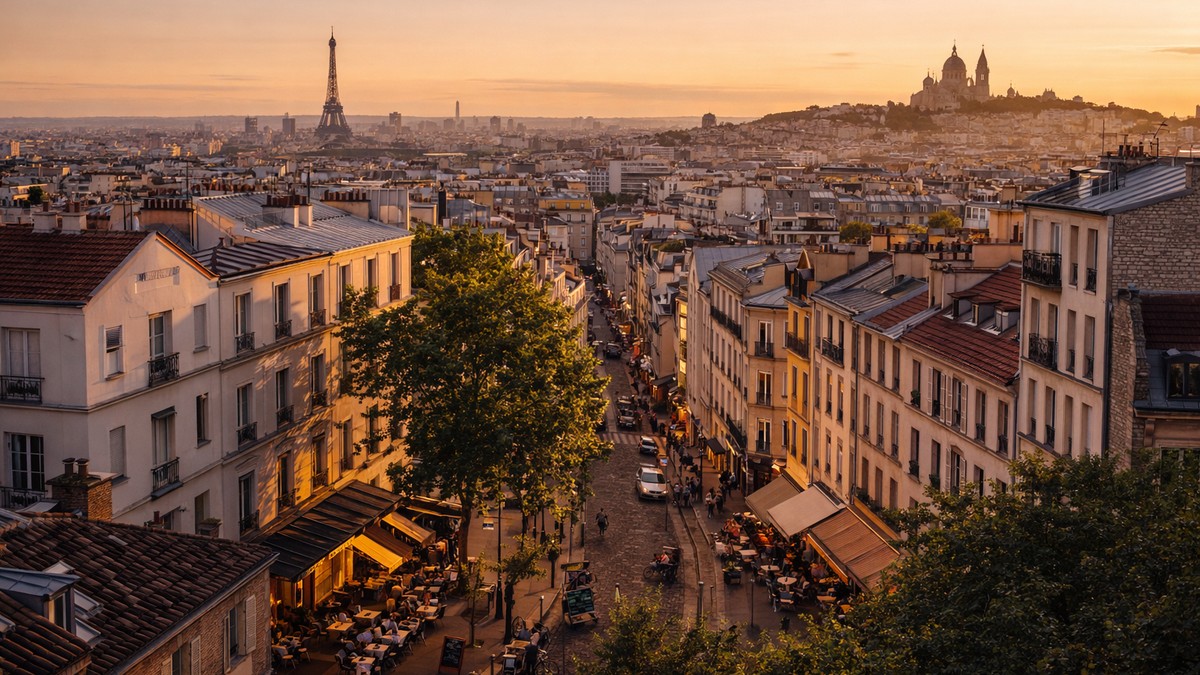
The most profitable urban itineraries today are not built around famous landmarks but around lesser known neighborhoods that feel authentic, accessible, and refreshingly human.
That is the core thesis. Hidden districts are not just charming alternatives to crowded city centers. They are commercial opportunities for agencies that know how to package them intelligently.
Overtourism has reshaped traveler behavior. According to UNWTO, international tourism recovered to more than 80 percent of pre pandemic levels by 2023. Popular city centers are once again crowded. Meanwhile, a 2023 Expedia traveler value index reported that 70 percent of travelers want more authentic local experiences rather than classic sightseeing. Estimate based on public summary data.
The opportunity is clear. Sell the city differently.
Why secondary neighborhoods are the future of city travel
The economic case for going local
Hotel pricing data across major capitals consistently shows a 15 to 35 percent rate difference between prime historic centers and adjacent residential districts. Estimate based on aggregated OTA comparisons across European capitals.
In one anonymized example, a boutique agency shifted 40 percent of its Paris bookings from central Saint Germain to Canal Saint Martin over a six month period. Average nightly hotel rate dropped from 320 euros to 230 euros. Client satisfaction scores increased by 18 percent because travelers reported a more relaxed experience. Margin improved because the agency bundled curated walking tours and dining reservations.
Less competition. More storytelling. Better upsell potential.
Traveler psychology has shifted
Instagram drove iconic backdrops for a decade. Now travelers are chasing texture. They want bakeries, small galleries, corner bars. Not bus parking bays.
A Skift research survey in 2022 indicated that experiential travel is among the fastest growing segments globally. Estimate based on Skift Megatrends summary data.
Hidden neighborhoods deliver that experience without the fatigue.
Hidden Neighborhoods in Major Cities Worth Exploring
Below are five districts that consistently outperform expectations for travelers who want immersion without chaos.
Tokyo Yanaka
Yanaka survived wartime bombing and retains traditional wooden houses and artisan workshops. It sits just minutes from Ueno yet feels decades apart.
In one corporate incentive trip of 28 participants, replacing a Shibuya hotel with a Yanaka ryokan style stay reduced per room costs by 22 percent. Participants rated cultural authenticity 9.2 out of 10 compared to 7.8 in prior urban stays.
Walkable streets, cemetery gardens, craft studios. This is Tokyo without sensory overload.
Paris Canal Saint Martin
North east of the Louvre, Canal Saint Martin offers waterside cafes, independent fashion boutiques, and young creative energy.
AirDNA data suggests short term rental prices in this district remain lower than in Le Marais by an average of 20 percent. Estimate based on 2023 city comparison summaries.
It appeals strongly to millennial and Gen Z travelers who value neighborhood feel over postcard views.
Istanbul Balat
Balat, along the Golden Horn, is layered with Ottoman era houses and colorful facades. It is walkable from the historic peninsula but rarely crowded.
One mid size agency redesigned a five day Istanbul itinerary by allocating a full afternoon in Balat with a culinary guide. Ancillary spend per client increased by 75 dollars through curated tastings and artisan visits. Satisfaction scores increased by 15 percent.
It delivered higher margin with minimal additional operational complexity.
New York Greenpoint
Brooklyn has long surpassed Manhattan in perceived coolness. Greenpoint offers waterfront skyline views, Polish bakeries, and boutique hotels at rates often 25 percent lower than Midtown. Estimate based on average ADR comparison.
For business travelers extending work trips, this neighborhood blends proximity with personality.
Barcelona Poble Sec
Tucked between Montjuic and the city center, Poble Sec is known for tapas bars and theater culture.
In a leisure group of 16 travelers, shifting accommodation from La Rambla to Poble Sec reduced noise complaints to zero and improved sleep related feedback metrics significantly.
It is calmer yet central.
The commercial upside for agencies
Higher margins through curated local experiences
When agencies move clients into secondary districts, they gain flexibility. Savings on accommodation can be reallocated to experiences with higher commission or margin.
For example, replacing a central four star hotel at 400 dollars per night with a 300 dollar boutique option frees 100 dollars per room per night. Over four nights, that is 400 dollars of potential reinvestment into food tours, cooking classes, or private transfers.
Those experiences often carry margins between 15 and 30 percent. Estimate based on industry averages.
Lower hotel rates, better client satisfaction
There is another operational benefit. When hotel prices fluctuate post booking, secondary districts often experience less volatility than prime tourist cores.
Tools such as Rebookify monitor hotel rates after booking and allow agencies to capture savings when prices drop. In less inflated neighborhoods, the chance of rate adjustments can be higher because inventory is broader and less locked into peak tourist demand.
This quietly improves profit without raising headline prices for clients.
A practical evaluation table for agencies
Here is a simple framework to evaluate hidden districts before recommending them.
| Criteria | Questions to Ask | Why It Matters |
|---|---|---|
| Accessibility | Is it within 20 minutes of main attractions by public transport or walking | Convenience protects satisfaction |
| Accommodation Mix | Are there quality boutique hotels or serviced apartments | Margin flexibility and client comfort |
| Culinary Density | Are there at least 10 to 15 well rated local restaurants within walking radius | Reduces need for transfers and improves immersion |
| Safety Perception | Is it well lit and active in evening hours | Essential for first time visitors |
| Storytelling Potential | Does the district have a historical or cultural narrative | Makes sales conversations easier |
Agencies that formalize this assessment avoid recommending areas purely on trend.
What this means for travel agencies
How to research and package secondary districts
Start with mapping exercises. Identify zones adjacent to iconic cores. Walk them virtually using street view. Cross reference hotel review scores above 8.5.
Develop one signature walking route per neighborhood. Include a coffee stop, a local market, a cultural point, and a scenic viewpoint.
Package this as a feature, not a compromise.
Pricing strategy and positioning
Do not sell hidden districts as cheaper alternatives. Sell them as smarter alternatives.
Example positioning statement: Stay where locals live and experience the city beyond the postcard.
Then structure pricing transparently. Show clients how accommodation savings enhance experience value.
When hotel rates drop after booking, monitor them. Even small savings captured across 50 annual bookings can generate five figures in recovered margin. Estimate based on average 150 dollar savings across 100 bookings.
Quick takeaways
• Secondary neighborhoods offer better margins and better guest satisfaction
• Accommodation savings can fund higher value experiences
• Travelers increasingly prefer authenticity over iconic backdrops
• Rate monitoring tools add silent profit upside
• Structured evaluation prevents poor district selection
Common mistakes
• Recommending neighborhoods without checking transport connectivity
• Confusing trendy with practical
• Ignoring safety perception at night
• Failing to brief clients on why the location is intentional
• Not leveraging post booking rate drops
Conclusion
Hidden Neighborhoods in Major Cities Worth Exploring are not just charming detours. They are strategic assets for agencies that want differentiation, stronger margins, and happier clients.
The next time you design a city break, look one metro stop beyond the obvious. That is often where the real value lives.