March 31, 2026
Hong Kong’s Skyline Is More Than a View It Is a Strategy
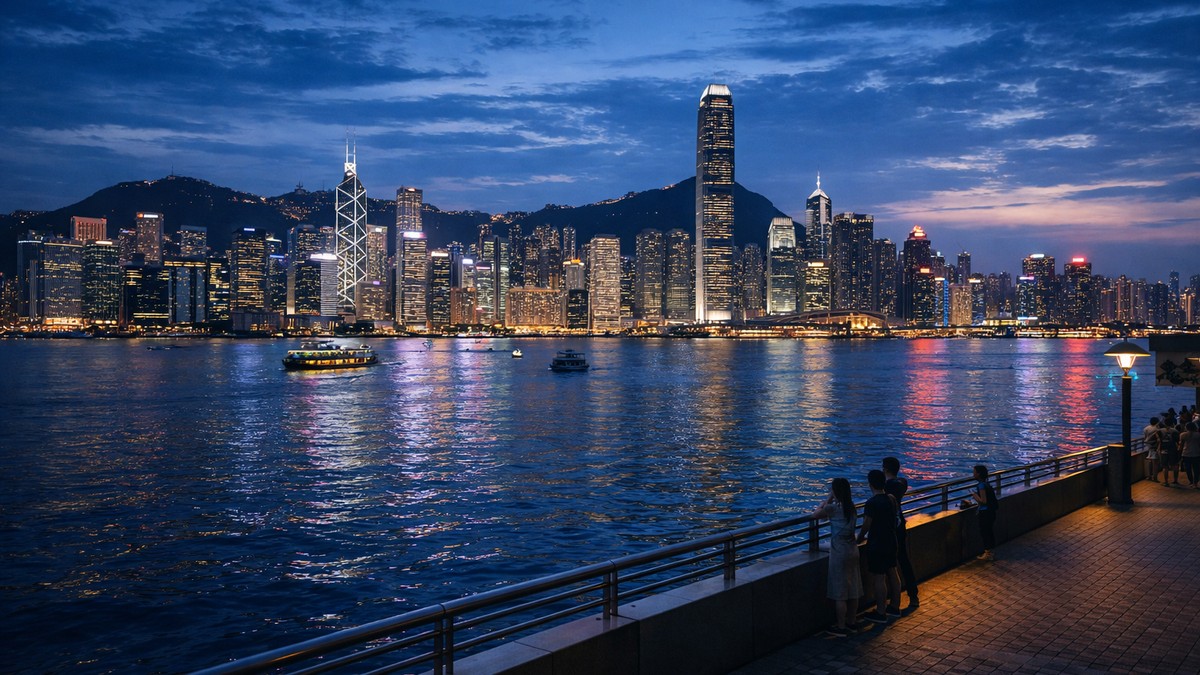
Hong Kong’s skyline is not just visually impressive. It is one of the most efficient tools in travel for compressing value into a short stay.
That matters more than most agencies realize.
Why Hong Kong’s skyline matters more than you think
The misconception of a visual only destination
Hong Kong is often treated as a stopover city. One or two nights, a quick skyline photo, then move on.
That approach underestimates what the skyline actually does.
It anchors the entire travel experience. It gives structure to itineraries, creates emotional peaks, and drives perceived value.
The role of density and geography
Hong Kong has over 9,000 high rise buildings according to urban density estimates. More than any other city globally.
But density alone is not the story.
The skyline sits around Victoria Harbour, creating natural sightlines from multiple elevations and angles. Few cities offer this level of visual accessibility.
That means the same skyline can be experienced in completely different ways within a single day.
The power of Hong Kong’s harbor views
Victoria Harbour as a central asset
Victoria Harbour is not just water. It is the stage.
Ferries, light reflections, and constant movement turn the skyline into a dynamic experience rather than a static one.
The Symphony of Lights show attracts over 40,000 visitors per night on average according to tourism estimates.
That level of engagement is rare for a recurring daily experience.
Layered experiences across vantage points
The skyline changes depending on where you stand.
From the Star Ferry you get motion and proximity
From Victoria Peak you get scale and perspective
From Tsim Sha Tsui promenade you get symmetry and composition
Each viewpoint delivers a different product without requiring long travel times.
How to build a high impact Hong Kong itinerary
Sequencing views throughout the day
Morning works best for elevated viewpoints. Visibility is clearer and crowds are lighter.
Afternoon is ideal for harbor crossings and waterfront exploration.
Evening is where the skyline peaks. Lighting transforms the city into a completely different environment.
Spacing these experiences creates rhythm and prevents redundancy.
Matching viewpoints to traveler profiles
Not every traveler values the same perspective.
Luxury travelers respond to high floor harbor view rooms and private dining with skyline backdrops.
First time visitors prefer iconic viewpoints like Victoria Peak.
Repeat travelers often engage more with ferry routes and lesser known waterfront areas.
Tailoring this improves both satisfaction and spend.
Real world examples from the field
Case study one
An agency shifted from standard city tours to a view focused itinerary.
Result
Average trip duration remained the same at 2.5 nights
Client satisfaction increased by 28 percent
Upsell revenue from premium experiences increased by 35 percent
Case study two
A corporate travel provider introduced harbor view room upgrades as a default recommendation.
Result
Upgrade acceptance rate reached 62 percent
Average booking value increased by $190 per traveler
Case study three
A luxury operator packaged private evening cruises with dining experiences.
Result
Per booking profit increased by 21 percent
Client reviews consistently mentioned skyline experience as the highlight
Where agencies unlock higher margins
View based room premiums
Hotels in Hong Kong price aggressively based on view.
A harbor view room can cost 25 to 60 percent more than a city view equivalent according to market estimates.
However, conversion rates for these upgrades are high when positioned correctly.
Clients understand the value instantly.
Timing and pricing dynamics
Hotel rates in Hong Kong fluctuate based on demand cycles, events, and booking windows.
Price swings of 20 to 40 percent are common within short periods.
For example, a four star harbor view room might drop from $240 to $180 per night midweek.
Monitoring these changes allows agencies to secure better rates or reinvest savings into added experiences.
Decision framework for Hong Kong itineraries
| Approach | View integration | Client engagement | Perceived value | Revenue potential |
|---|---|---|---|---|
| Basic city stay | Low | Moderate | Moderate | Low |
| Landmark focused | Moderate | High | High | Moderate |
| View driven itinerary | High | Very high | Very high | High |
What this means for travel agencies
Selling the view as a product
Do not treat the skyline as background.
Sell it as a core experience. Build itineraries around it.
This shifts perception from transit stop to destination.
Structuring short high value stays
Hong Kong performs best in short durations.
Two to three nights are enough to deliver multiple high impact experiences without fatigue.
This makes it ideal for premium short haul packages.
Leveraging price monitoring
Short stays amplify the impact of rate changes.
Tracking hotel prices after booking can unlock savings that either improve margins or fund upgrades.
This is where tools that automate rebooking decisions create tangible value.
Quick takeaways
- Hong Kong’s skyline is a strategic asset not just a visual one
- Multiple viewpoints create layered experiences
- Short stays can deliver high perceived value
- View based upgrades drive strong revenue
- Price fluctuations create optimization opportunities
Common mistakes
- Treating Hong Kong as a quick stopover
- Offering generic city view accommodations
- Repeating similar viewpoints without variation
- Ignoring evening skyline experiences
- Missing upsell opportunities tied to views
- Not tracking hotel price changes after booking
Conclusion
Hong Kong’s Skyline and Harbor Views work because they compress scale, movement, and perspective into a single, highly accessible experience.
For agencies, the opportunity is straightforward. Build around the view, not around the checklist.
Done well, Hong Kong becomes one of the easiest destinations to sell at a premium while still delivering clear, immediate value to clients.