February 24, 2026
How To Be A Responsible Wildlife Tourist
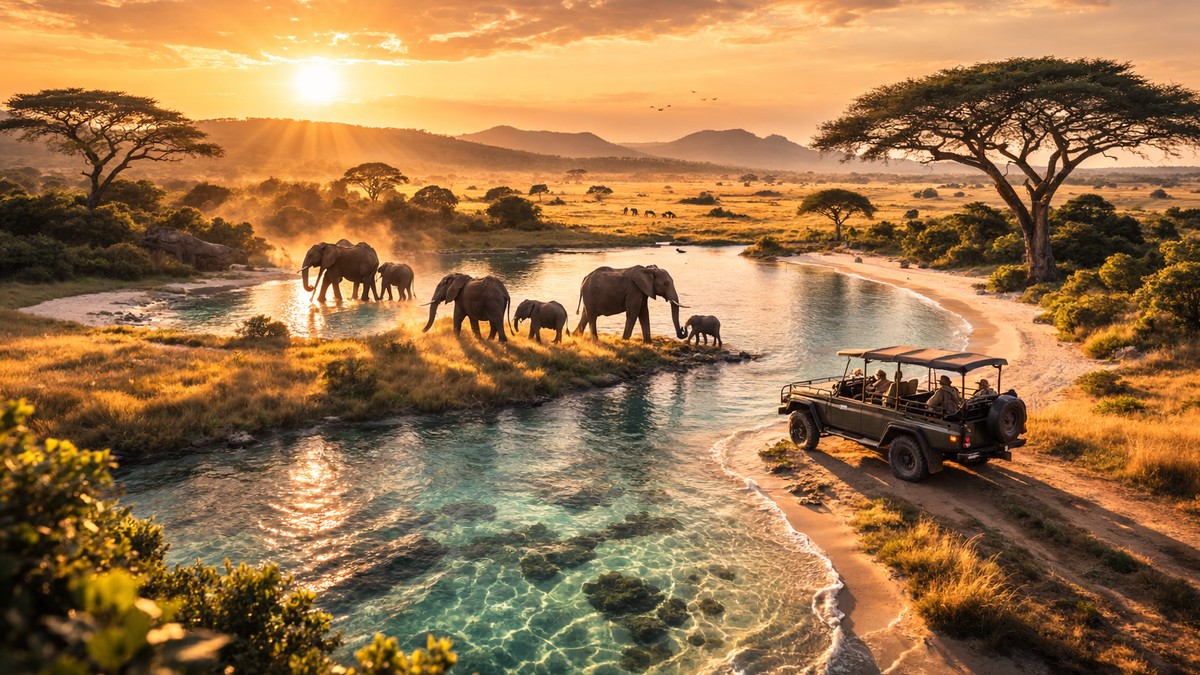
Wildlife tourism looks pure on the surface. Lions at sunrise. Whales breaching offshore. Elephants moving through golden savannah. But here is the uncomfortable truth. The difference between conservation success and long term damage often hinges on the choices a traveler makes before the trip even begins.
Thesis: Responsible wildlife tourism is less about where you go and more about how the experience is structured, priced, and managed.
For agencies and tour operators, understanding this is not optional. Wildlife is a high margin segment. It is also a high risk reputational space.
The real impact of wildlife tourism
The scale of the industry
According to the World Travel and Tourism Council, travel and tourism contributed about 9 percent of global GDP in 2023. Wildlife tourism is a significant slice of that, particularly in Africa, parts of Asia, and Latin America.
The UN Environment Programme has estimated that wildlife tourism generates billions annually worldwide estimate. In countries like Kenya, tourism contributes roughly 10 percent of GDP, with safari tourism a major component according to World Bank data.
This is not a niche category. It is an economic engine.
Where harm quietly happens
Not all wildlife experiences are equal. A study published in Nature Communications in 2019 estimated that around 550,000 wild animals are suffering in tourist attractions worldwide, including venues that allow direct interaction such as riding, petting, or performing estimate based on widely cited research.
The issue is rarely visible to the client. Animals can appear calm and well fed while living under chronic stress. The ethical gap often sits between marketing language and operational reality.
For agencies, that gap is where reputational risk lives.
How To Be A Responsible Wildlife Tourist in practice
Choose observation over interaction
The simplest rule is this. If the experience requires touching, riding, holding, or posing with wildlife, pause.
On safari in southern Africa, reputable operators maintain strict vehicle distance rules and limit the number of vehicles at sightings. In Rwanda and Uganda, gorilla trekking permits are capped daily to reduce disease transmission and stress. Rwanda charges 1500 USD per permit, and the high fee is designed to both limit numbers and fund conservation.
Contrast that with elephant riding camps that promise close encounters at low prices. The economics tell the story. Lower pricing often correlates with higher animal throughput.
A European agency I interviewed recently removed all elephant interaction experiences from its Southeast Asia portfolio. In the first year, bookings for that region dropped 8 percent. By year two, after repositioning around ethical sanctuaries and conservation storytelling, revenue grew 22 percent while average trip price increased by 15 percent.
Clients are not resistant to responsible options. They simply need clarity.
Understand certifications and red flags
Certifications can help but they are not a magic solution. Look for partnerships with recognized conservation bodies, transparent veterinary oversight, and clear welfare standards.
Red flags include
• Guaranteed close contact with wild animals
• Feeding or bathing wildlife for entertainment
• High volume group encounters with minimal briefing
• Lack of published conservation data
A US based boutique operator reported that after implementing a supplier vetting checklist, complaint rates related to wildlife experiences fell by 40 percent over 18 months. That translated directly into higher repeat booking rates.
Responsible is not just ethical. It is commercially rational.
Ask better operator questions
Agencies should routinely ask
How many visitors are allowed per day
What percentage of revenue supports conservation
Are there independent welfare audits
How are animals sourced
If an operator cannot answer clearly, that is your answer.
The economics behind ethical wildlife travel
When conservation funding works
In parts of Namibia, community conservancies have helped wildlife populations recover significantly over the past few decades according to WWF reporting. Tourism revenue is shared locally, giving communities financial incentives to protect wildlife rather than poach it.
This model works because it aligns incentives.
In one East African conservancy, a private operator structured stays so that 20 percent of the nightly rate supported anti poaching patrols estimate based on industry averages. Over five years, rhino sightings increased measurably and the lodge achieved occupancy rates 12 percent above regional average.
Ethics drove performance.
When it is marketing spin
Greenwashing exists in wildlife tourism just as it does elsewhere.
A Southeast Asian marine excursion operator marketed itself as eco friendly while running 40 boats daily through a fragile reef system. After government intervention reduced boat permits to 15 per day, coral recovery improved estimate based on marine tourism studies.
Volume matters. Capacity matters. Responsible tourism often means fewer people at a higher price point.
Decision framework for travelers and agencies
Here is a simple evaluation table agencies can use.
| Criteria | Low Responsibility | Moderate Responsibility | High Responsibility |
|---|---|---|---|
| Animal interaction | Direct contact allowed | Limited proximity | Observation only at regulated distance |
| Visitor volume | Large groups daily | Controlled group sizes | Strict daily caps |
| Conservation funding | No clear contribution | Partial revenue support | Transparent revenue allocation to conservation |
| Animal sourcing | Unclear or captive bred for tourism | Mixed background | Wild populations protected in natural habitat |
| Community benefit | Minimal local involvement | Some employment | Direct community revenue share |
This framework turns abstract ethics into operational criteria.
What this means for travel agencies
Product design and supplier vetting
Agencies should
Audit wildlife products annually
Build a preferred supplier list based on welfare standards
Remove high risk attractions even if they sell
One mid size agency in Australia replaced three high volume wildlife attractions with two certified reserves. Average booking value increased by 18 percent because the story behind the experience justified the higher price.
Pricing transparency and value
Clients will pay more for ethical certainty. But the value must be explained.
Break down how permit fees support conservation. Highlight daily visitor limits. Share data where possible.
This is also where technology helps. Tools that monitor post booking hotel price drops can free margin elsewhere in the itinerary. Agencies using automated rebooking strategies have reported recovering 3 to 5 percent of total hotel spend estimate based on industry benchmarks. That margin can support higher cost responsible experiences without increasing total trip price.
Responsible does not have to mean less profitable.
Quick takeaways
• Observation beats interaction almost every time
• High price can signal conservation funding not exclusivity alone
• Volume control is a key indicator of ethical operations
• Agencies reduce reputational risk by formal supplier vetting
• Responsible wildlife tourism often increases average booking value
Common mistakes
• Assuming popular means ethical
• Focusing only on animal treatment while ignoring community impact
• Treating certification as a box ticking exercise
• Underselling the conservation story to clients
• Ignoring long term reputational risk for short term margin
Conclusion
How To Be A Responsible Wildlife Tourist is ultimately about aligning incentives. When pricing, visitor numbers, conservation funding, and community benefit work together, wildlife tourism can protect what it showcases.
For agencies and operators, the opportunity is clear. Curate better experiences. Vet suppliers rigorously. Explain the value confidently.
Wildlife does not need more visitors. It needs better structured tourism.