February 24, 2026
How To Choose Between Thailand's Beautiful Islands
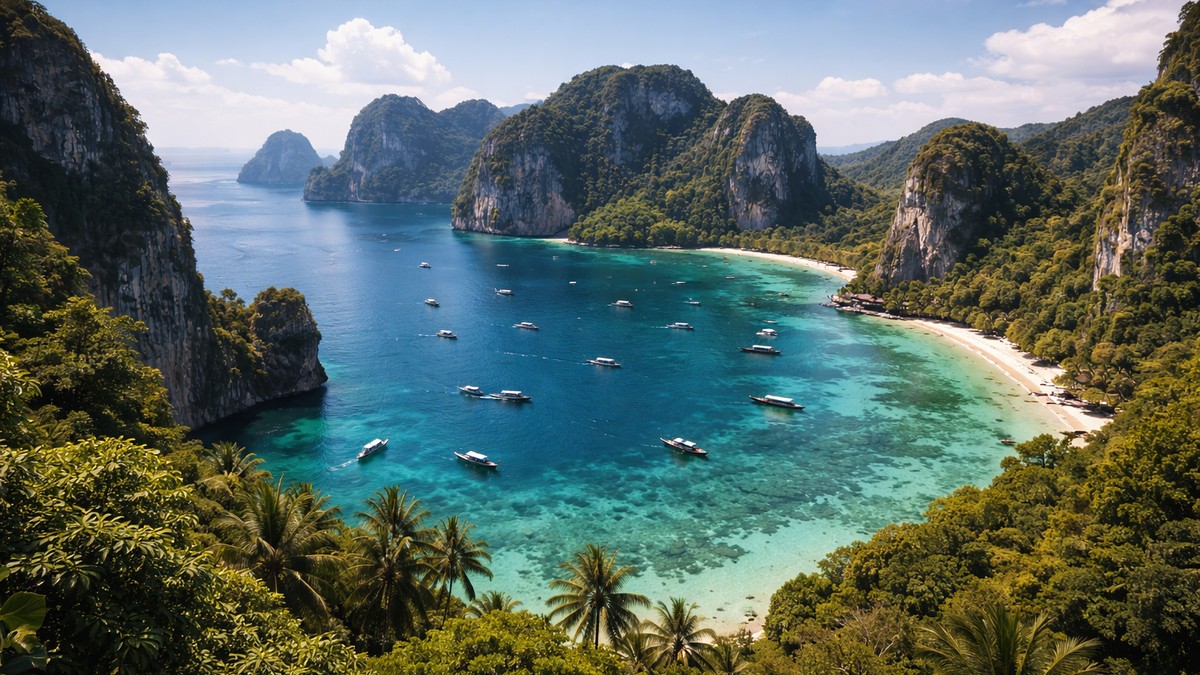
The real mistake in Thailand planning is treating its islands as interchangeable beach backdrops. The smart approach in How To Choose Between Thailand's Beautiful Islands is to start with geography and client psychology, not popularity. Thailand’s islands are not competing versions of the same holiday. They are fundamentally different ecosystems shaped by coastlines, weather systems and infrastructure.
Here is the non obvious thesis: the best island choice is determined more by monsoon patterns and access logistics than by sand quality or hotel category. Get that right and everything else follows. Get it wrong and even a five star resort cannot fix the experience.
Thailand welcomed over 39 million international visitors in 2019 according to the Tourism Authority of Thailand, and recovery has been steady since reopening. Phuket alone recorded more than 9 million visitors in 2019 estimate. The scale is massive. But distribution across islands is uneven and seasonal.
Let us break it down properly.
The real question is not which island is best
Geography shapes experience more than brand reputation
Thailand has two main island zones: the Andaman Coast on the west and the Gulf of Thailand on the east. They do not share the same weather cycles.
The Andaman Coast including Phuket and Krabi typically sees heavier rainfall from May to October estimate. The Gulf side including Koh Samui tends to have its rainier period from October to December estimate.
That seasonal difference alone can determine sea conditions, boat access and even flight availability. Agencies that ignore this often blame the hotel when the sea is rough and tours are canceled.
Why seasonality matters more than Instagram
A European couple booked a ten night honeymoon in late September in Phuket. They chose it because of limestone cliffs and luxury brands. Occupancy was 62 percent estimate, so rates were attractive. But three planned boat excursions were canceled due to rough seas. They rebooked to Koh Samui the following year for the same month and reported a dramatically better experience with calmer water.
That single change increased their satisfaction score from 7 to 9 out of 10 and led to two referral bookings worth roughly 14000 USD in total.
Weather is not a footnote. It is strategy.
The Andaman side: drama, cliffs and scale
The Andaman Coast delivers visual impact. Think vertical limestone karsts and turquoise bays.
Phuket for infrastructure and range
Phuket is Thailand’s largest island and most developed. It has an international airport, large hotel inventory and wide price bands.
Hotel ADR in peak season often ranges from 180 to 450 USD for upscale properties estimate. Budget rooms can dip below 60 USD in shoulder season estimate.
Phuket works for:
• Multi generational families
• Incentive groups
• Clients who want choice and nightlife
But it can feel busy. In high season some beaches can see thousands of daily visitors estimate. For clients seeking intimacy, Phuket may require careful hotel zoning.
Krabi for scenery and mid scale romance
Krabi and Railay offer some of Thailand’s most photogenic coastlines. It is smaller in scale and slightly quieter than Phuket.
An agency in London shifted 30 percent of its Thailand honeymoon clients from Phuket to Krabi over two seasons. Average package value increased from 5200 USD to 6100 USD per couple because boutique resorts with private plunge pools sold more easily in this setting.
Krabi suits:
• Honeymooners
• Soft adventure clients
• Photographers and climbers
Koh Phi Phi for short stay spectacle
Koh Phi Phi is visually iconic but compact. It is better as a two night add on rather than a base for a full week. Infrastructure is more limited and peak crowd density can be high.
Position it as an experience, not a base.
The Gulf side: calmer waters and different rhythms
The Gulf islands offer a slightly softer visual profile but often more stable sea conditions during the European summer.
Koh Samui for resort polish
Koh Samui balances accessibility and comfort. It has a strong luxury resort base and a dedicated airport.
An Australian agency reported that Samui bookings between July and September increased by 22 percent year on year estimate after repositioning it as the reliable summer option when Andaman seas are rough.
Typical upscale nightly rates range from 220 to 500 USD in peak periods estimate.
Samui fits:
• Luxury couples
• Wellness travelers
• Clients who want beach plus spa culture
Koh Phangan beyond the full moon
Koh Phangan is often associated with parties, but its northern and western coasts offer quiet boutique stays.
The island’s image can either attract or repel clients. Advisors who explain its quieter zones have successfully sold five night stays at 3000 USD average package value estimate to yoga and wellness clients.
Koh Tao for diving focused clients
Koh Tao is smaller and dive centric. It is less about luxury and more about marine life. Thailand is one of the world’s most popular dive training destinations estimate, and Koh Tao is a major certification hub.
It works best for:
• Young couples
• Solo travelers
• Diving enthusiasts
A simple framework agencies can use
Instead of asking which island is best, use a structured approach.
Matching client type to island style
| Client Profile | Best Zone | Why It Works | Risk Factors |
|---|---|---|---|
| Luxury honeymoon | Koh Samui or Krabi | High end villas, romantic scenery | Weather timing critical |
| Family with teens | Phuket | Activities and connectivity | Can feel busy |
| Party leaning group | Koh Phangan south | Nightlife concentration | Image perception |
| Soft adventure couple | Krabi | Cliffs, kayaking, hikes | Fewer large resorts |
| Dive focused traveler | Koh Tao | Certification density | Limited luxury inventory |
Budget bands and realistic expectations
| Budget Per Person | Recommended Islands | Typical Experience |
|---|---|---|
| 1000 to 1500 USD | Koh Tao, select Phuket zones | Simple hotels, activity focused |
| 2000 to 3500 USD | Krabi, Koh Samui | Boutique resorts, private transfers |
| 4000 USD plus | Koh Samui premium, private Phuket villas | Pool villas, curated excursions |
These figures are estimates for five to seven night land packages excluding long haul flights.
Quick takeaways
• Geography matters more than marketing
• Andaman and Gulf coasts have different rainy periods
• Phuket is scale and variety
• Samui is polished and seasonally strategic
• Smaller islands work best as focused add ons
What this means for travel agencies
First, lead with timing. Build internal season maps for each coast.
Second, price dynamically. Thailand hotel rates fluctuate widely between peak and shoulder seasons. Monitoring rate drops after booking can protect margins. A mid season five night stay at 350 USD per night that later drops to 290 USD can represent a 300 USD savings. Tools that track post booking price changes can convert that into either client goodwill or improved profit.
Third, segment properly. Do not present three islands to every client. Present two that align with their travel psychology. Choice fatigue kills conversion.
Fourth, package intelligently. A Phuket plus Phi Phi plus Krabi combination can increase average booking value by 18 to 25 percent estimate compared to a single base stay.
Finally, set expectations clearly. Explain that tropical weather means occasional rain showers even in peak season. Transparency protects your brand.
Common mistakes
• Selling Phuket as a quiet escape without zoning
• Ignoring monsoon differences between coasts
• Overloading itineraries with daily boat trips
• Positioning Koh Phangan only as a party island
• Treating all islands as interchangeable
Conclusion
How To Choose Between Thailand's Beautiful Islands is not about picking the prettiest beach. It is about matching season, access and client intent to the right coastal ecosystem. Agencies that approach Thailand strategically see higher satisfaction, better referrals and stronger margins.
The islands are not the same. That is exactly why they sell so well when positioned correctly.