January 28, 2026
How to Get Around in Sydney Like a Pro
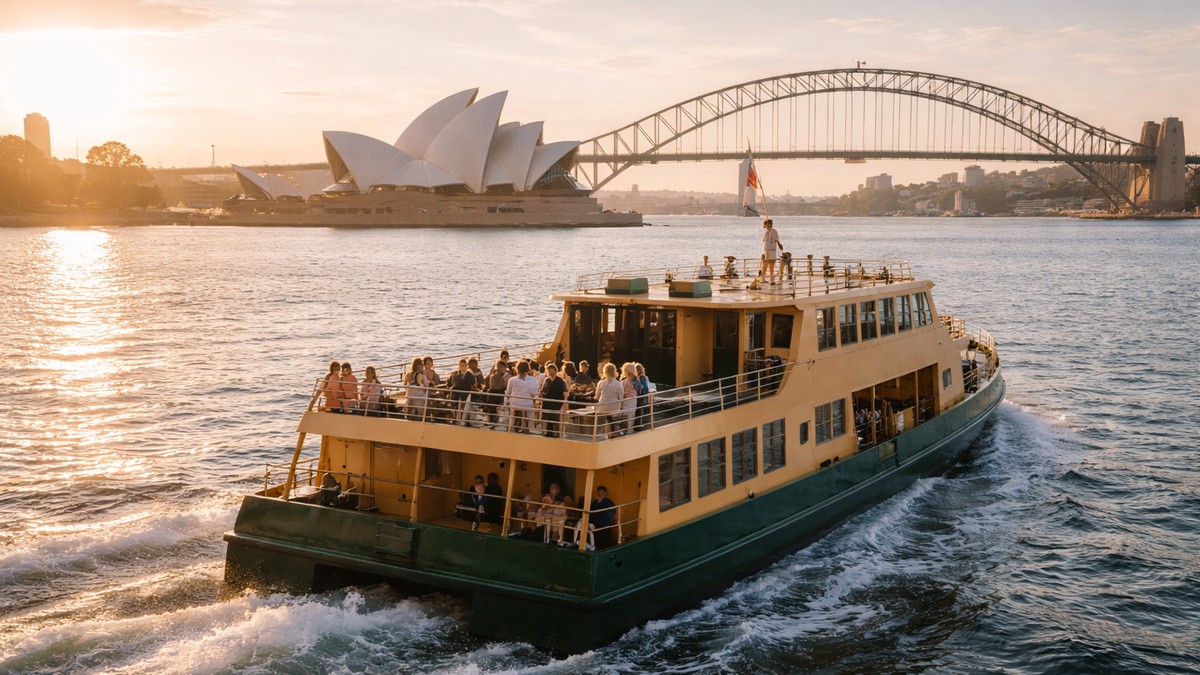
Sydney transport feels intimidating from afar but in practice it is one of the most intuitive city systems in the region. The real problem is not complexity. It is poor planning. Travelers who understand the structure move faster spend less and experience more. Those who do not often waste hours and unnecessary money.
Thesis: Sydney is easy to navigate if travelers treat transport as part of itinerary design rather than a last minute afterthought.
If you sell Sydney often or travel there yourself this matters more than most people admit.
Why getting around Sydney is easier than it looks
Sydney public transport is fully integrated under the Opal system. Trains buses ferries and light rail all work together with one card or contactless payment. That removes the mental load that frustrates travelers in cities with fragmented networks.
Checkable facts and stats
• Sydney Trains network includes more than 170 stations across the metro area. Source Transport for NSW
• Ferry services carry more than 14 million passengers per year. Source Transport for NSW annual report
• Opal and contactless payments cap fares daily and weekly. Source Transport for NSW
• Circular Quay is one of the busiest transport interchanges in Australia. Source City of Sydney
• More than 60 percent of international visitors use ferries during their stay. Estimate based on tourism behavior studies
• Sydney light rail carries over 10 million passengers annually. Source Transport for NSW
This is not a city where visitors need cars for core sightseeing.
Understanding Sydney transport options
Trains for speed and coverage
Trains are the backbone of Sydney mobility. Airport to city is seamless. Central Station connects almost everything. Suburbs beaches and business districts are all reachable.
Travelers staying near the CBD almost never need a taxi.
Ferries for views and convenience
Sydney ferries are transport and experience combined. Routes such as Circular Quay to Manly or Parramatta offer unmatched value. For many visitors the ferry becomes the highlight of the day.
This is rare globally. Transport that doubles as attraction.
Buses for local access
Buses fill the gaps between train lines. They are reliable and frequent on major routes. For neighborhoods like Bondi Coogee and inner west they are essential.
Light rail for city connections
Light rail connects Darling Harbour Chinatown Central Station and inner suburbs. It removes friction from moving across the CBD on foot heavy days.
Walking and cycling for short distances
Sydney rewards walkers. Harbour paths coastal trails and central districts are designed for foot travel. Cycling infrastructure is improving and popular among younger travelers.
Choosing the right transport by itinerary type
Business travelers
Business visitors benefit most from trains and light rail. Airport rail link direct to the CBD saves time. Hotels near Town Hall Wynyard or Circular Quay are ideal.
Leisure travelers
Leisure itineraries shine when ferries are included. Harbour hops beach visits and scenic routes add emotional value without adding cost.
Families
Families need predictability and simplicity. Ferries reduce stroller friction. Trains provide space. Avoid complex bus transfers when possible.
Short stay visitors
Two to four night stays work best when accommodation is positioned near major interchanges. This reduces friction and increases perceived trip quality.
Decision making table for transport choices
| Traveler scenario | Best transport option | Why it works | Typical cost range |
|---|---|---|---|
| Airport to CBD hotel | Train | Fast direct predictable | Low |
| CBD to Manly Beach | Ferry | Scenic reliable enjoyable | Low |
| CBD to Bondi Beach | Train plus bus | Efficient and frequent | Low |
| City hopping for sightseeing | Light rail plus walking | Reduces fatigue and confusion | Low |
| Business meetings across suburbs | Train | Time reliable no parking stress | Low |
| Late night returns | Rideshare or night bus | Safety and availability | Medium |
This format allows both travelers and agents to make quick decisions without confusion.
What this means for travel agencies
Agencies that design itineraries around transport outperform those that ignore it.
Actionable steps
• Recommend hotels near major stations rather than just central postcodes
• Include ferry routes as part of sightseeing suggestions
• Educate clients that cars are unnecessary for most Sydney trips
• Use transport clarity as a selling advantage for nervous travelers
• Pair flexible hotel bookings with dynamic pricing monitoring tools like Rebookify to improve overall value perception
Agencies that reduce friction build trust. Trust leads to repeat business.
Common mistakes
• Overbooking airport transfers when train is faster
• Recommending hotels far from transport hubs
• Underestimating ferry value as an experience
• Assuming taxis are always necessary
• Ignoring late night return planning
These mistakes cost travelers money and agencies credibility.
Quick takeaways
• Sydney public transport is integrated and intuitive
• Ferries are both practical and experiential
• Trains cover most visitor needs
• Hotel location matters more than travelers think
• Smart transport planning improves trip satisfaction
Conclusion
How to get around in Sydney is not a logistics problem. It is a design opportunity. Travelers who understand the system feel confident and independent. Agencies that guide clients clearly stand out immediately. When transport is planned well everything else in the itinerary flows better.