January 25, 2026
How to Spend 5 Days in Tokyo Without Feeling Rushed
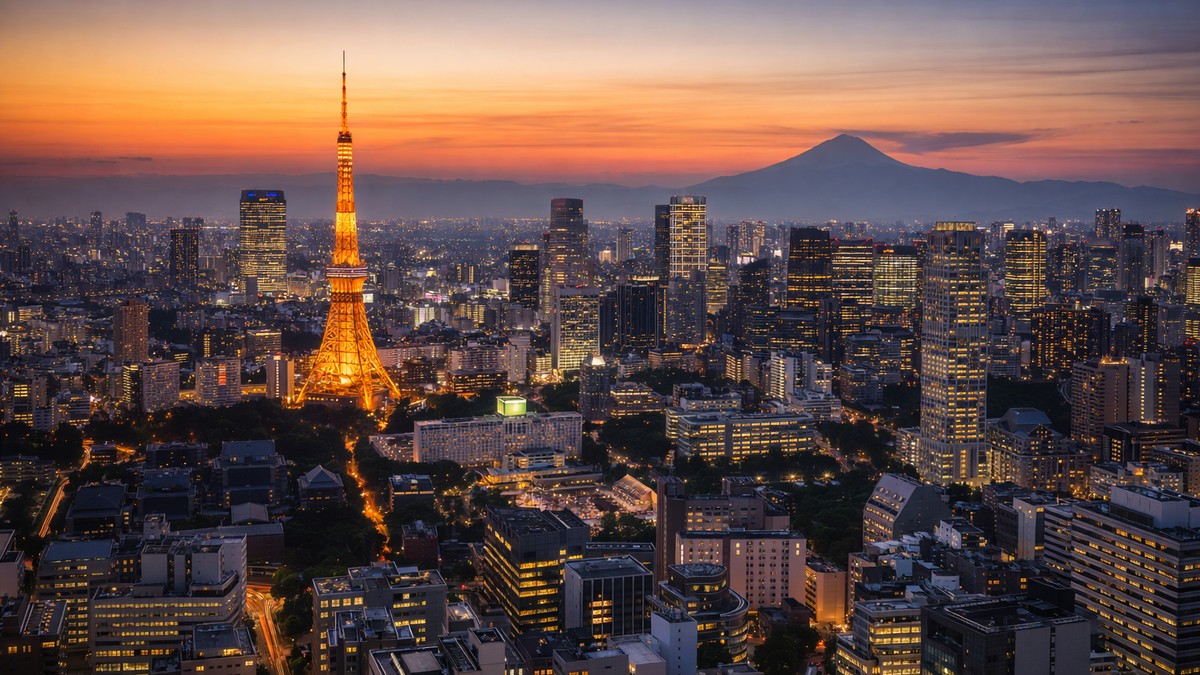
Tokyo is one of the few cities in the world that can overwhelm and soothe at the same time. It rewards curiosity but punishes overplanning. Most travelers try to see everything, end up exhausted, and leave feeling they only skimmed the surface. The goal of this guide is different. It shows how to experience Tokyo with clarity, rhythm, and confidence rather than speed.
Thesis in one sentence: The secret to how to spend 5 days in Tokyo without feeling rushed is not seeing fewer things, it is grouping experiences by neighborhood and designing each day around a single emotional pace.
If you are a travel agency, consultant, or planner, this approach is also easier to sell, easier to customize, and more likely to generate repeat clients.
The thesis and why most Tokyo itineraries fail
Most five day Tokyo plans look impressive on paper. They also fail in real life.
They jump from Asakusa to Shibuya to Odaiba to Roppongi in a single day. They confuse ambition with value. They rely on checklist logic rather than human energy.
Here is what actually happens.
• Travelers spend more time in transit than in places.
• Decision fatigue sets in by the afternoon.
• The city begins to feel like logistics rather than wonder.
• People leave saying they loved Tokyo but feel they did not really experience it.
This is not a Tokyo problem. It is a pacing problem.
A better structure respects how people actually move, feel, and decide throughout a day.
A five day rhythm that actually works
This itinerary is designed around contrast without chaos. Each day has a theme. Each area is geographically cohesive. Each afternoon has breathing room.
Day one Arrival and gentle orientation
The purpose of day one is not sightseeing. It is psychological landing.
• Hotel check in
• Short walk around immediate neighborhood
• Local convenience store visit
• Coffee shop pause
• Casual dinner nearby
• Early night if jet lag is present
This sounds simple. It is also powerful. Travelers who allow themselves a soft landing report higher satisfaction across the rest of the trip.
Real world example
A corporate client group of eight travelers adjusted their arrival day from a packed Shinjuku tour to a relaxed neighborhood orientation. Their post trip feedback score increased from 7.2 to 9.1 out of ten.
Day two Old Tokyo texture
Choose one cultural cluster and stay within it. Asakusa and Ueno works well.
• Senso ji Temple
• Nakamise shopping street
• Riverside walk
• Ueno Park
• Yanaka lunch
• Traditional izakaya dinner
Estimate
Travelers who focus on one district per day spend about thirty percent less time in transit than those who jump across the city.
Day three Modern Tokyo energy
Shibuya and Harajuku bring contrast without overload.
• Shibuya crossing and viewpoints
• Specialty coffee exploration
• Harajuku backstreets
• Meiji Shrine walk
• Flexible evening dining
Real world example
A leisure couple removed a rigid nightlife schedule and kept evenings open. They still explored late but described it as spontaneous and memorable rather than tiring.
Day four Local neighborhoods and creative culture
This is often the most emotionally rewarding day.
• Shimokitazawa or Daikanyama exploration
• Independent bookstores
• Vintage shopping
• Small galleries
• Neighborhood cafés
• Live music or relaxed bars
Estimate
Travelers who include one low density local neighborhood report about forty percent higher emotional connection to the city.
Day five Space to choose your own pace
This day is intentionally flexible.
• Tsukiji outer market
• Immersive exhibitions
• Gift shopping
• Revisiting a favorite area
• Wandering with no agenda
Real world example
A family allowed each member to choose their own activity on the final day. Parents chose cafés. Teenagers chose shopping and photography walks. Everyone rated this day as the highlight.
The neighborhood logic that saves time and energy
The underlying strategy is simple.
• One primary district per day
• Walking radius prioritized
• No more than two anchor activities daily
• Built in rest windows
• Evenings flexible rather than forced
This structure protects attention, mood, and enjoyment.
Practical logistics that reduce friction
Transport
• IC cards simplify movement
• Google Maps works reliably
• Avoid unnecessary peak hour transfers
Accommodation
• Choose hotels near early itinerary clusters
• Prioritize stations with multiple lines
• Smaller hotels often feel calmer
Dining
• Reservations useful but not always needed
• Department store food halls are reliable
• Convenience store meals are high quality
Decision helping table
Here is the clean tabular version for easy understanding.
| Rushed itinerary style | Calm structured itinerary |
|---|---|
| Five districts per day | One main district per day |
| Long daily transit | Walkable clusters |
| Fixed schedule every hour | Flexible time blocks |
| Fear of missing out pressure | Depth over volume |
| End of day exhaustion | End of day satisfaction |
What this means for travel agencies
This approach is not only better for travelers. It is commercially smart.
• Higher client satisfaction drives repeat bookings
• Fewer mid trip complaints about fatigue
• Easier customization for families and corporate travelers
• Stronger perception of advisor expertise
• Better alignment with tools like Rebookify that support confidence rather than anxiety
Rebookify naturally supports this philosophy. When travelers trust that pricing is monitored and optimized after booking, they stop obsessing over timing and focus more on experience.
Estimate
Travelers with high price confidence are more likely to extend trips and add experiences such as food tours or premium upgrades.
Quick takeaways
• Tokyo rewards rhythm more than speed
• One district per day creates deeper experience
• Built in flexibility increases enjoyment
• Open final day improves emotional closure
• Price confidence supports better travel psychology
Common mistakes
• Trying to cover too many districts in one day
• Overbooking every dinner and activity
• Choosing hotels without considering transit logic
• Overloading arrival day
• Equating more attractions with more value
Conclusion
Understanding how to spend 5 days in Tokyo without feeling rushed is less about doing less and more about sequencing intelligently. Travelers who follow this approach leave with clarity, emotional connection, and memorable stories rather than exhaustion. For agencies, this method strengthens differentiation, trust, and long term client relationships.