March 12, 2026
India’s Most Beautiful Plantation Stays Explained
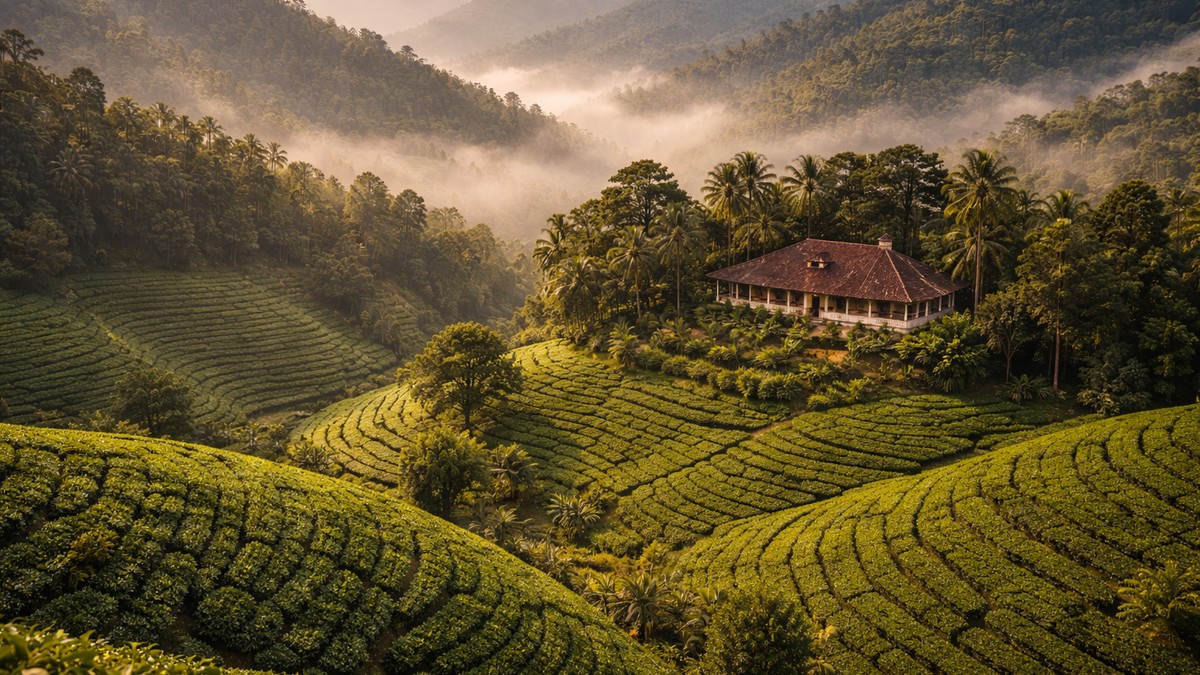
Travel trends come and go, but one category is quietly gaining momentum among experience driven travelers. Plantation stays.
Thesis: Plantation estates succeed because they combine heritage architecture, immersive local culture, and spectacular landscapes in a way traditional resorts rarely achieve.
Across India, former tea, coffee, and spice estates have been transformed into boutique accommodations where travelers wake to misty hills, walk through working plantations, and dine on hyper local cuisine. The result feels less like a hotel and more like stepping into a living landscape.
For travel advisors and tour operators, plantation stays represent a powerful product category that blends nature tourism, heritage travel, and slow travel into a single experience.
Why Plantation Stays Are Rising in Popularity
Heritage Meets Nature
Plantation estates in India often date back to the nineteenth century colonial period. Many bungalows were originally built for estate managers and now serve as intimate heritage properties.
Unlike modern hotels, these properties typically feature:
• Colonial architecture
• Wide verandas overlooking plantations
• Antique interiors
• Landscaped gardens and forest surroundings
The setting creates a distinctive sense of place.
India produces roughly 20 percent of the world’s tea supply according to the International Tea Committee. Many of these plantations now host guest experiences.
The Shift Toward Slow Travel
Travelers increasingly prefer fewer destinations with deeper experiences.
A 2023 Skift report found that slow travel related searches increased by about 35 percent year over year estimate.
Plantation stays fit perfectly into this trend. Guests spend several nights exploring one landscape rather than rushing between cities.
Activities might include:
• Guided estate walks
• Tea tasting sessions
• Cooking classes
• Bird watching
• Local village visits
For travelers, the pace feels restorative. For travel advisors, it creates higher value itineraries.
India’s Most Beautiful Plantation Regions
Not all plantation regions are the same. Geography shapes the experience dramatically.
Tea Estates in Darjeeling
Darjeeling’s steep Himalayan slopes produce some of the most sought after tea in the world.
Often called the Champagne of teas, Darjeeling varieties are prized for their floral aromas.
Visitors staying on estates can explore rolling terraces that climb thousands of feet above sea level.
Example experience
A European couple booked a four night estate stay outside Darjeeling at approximately 320 USD per night including meals.
During their stay they participated in:
• Daily tea tastings
• Sunrise Himalayan viewpoints
• Estate factory tours
Their feedback was simple. It felt like living inside the landscape rather than observing it.
Coffee Plantations in Coorg
Coorg in Karnataka offers a completely different environment.
Instead of steep terraces, coffee plantations stretch across lush jungle landscapes filled with shade trees.
India produces about 350000 tonnes of coffee annually estimate according to the Coffee Board of India.
Plantation bungalows here often feel like hidden countryside retreats.
Example itinerary
A US based travel agency designed a six night Karnataka itinerary featuring two plantation stays.
The total land program cost approximately 1900 USD per traveler including guided experiences.
Client satisfaction scores increased significantly compared to a standard city itinerary.
Spice Gardens in Kerala
Kerala’s Western Ghats region produces pepper, cardamom, and cloves.
These plantations are often surrounded by rainforest and wildlife corridors.
Spice estates typically emphasize wellness and culinary experiences.
Example stay
A boutique spice estate in Thekkady offers immersive farm to table dining.
Guests join morning harvesting walks and evening cooking demonstrations using fresh spices.
Typical nightly rates range from 180 to 450 USD depending on season estimate.
What Makes Plantation Stays Special
Architecture and History
Plantation bungalows were designed for climate and comfort.
Common architectural elements include:
• High ceilings for ventilation
• Wide verandas for shade
• Thick stone or wooden walls
• Large gardens surrounding the house
Many properties maintain antique furniture and original estate details.
This sense of history adds character that large hotels rarely replicate.
Immersive Activities
The real value of plantation stays lies in participation.
Guests can engage with the landscape through:
• Harvesting tea leaves
• Coffee roasting demonstrations
• Guided spice walks
• Estate cycling routes
• Local cooking lessons
According to Booking.com research, 73 percent of travelers want authentic local experiences estimate.
Plantation stays deliver exactly that.
Choosing the Right Plantation Stay
Travel advisors must match the right property with the right traveler.
Some estates focus on luxury heritage hospitality. Others emphasize eco tourism or agricultural immersion.
Quick Decision Table
| Traveler Type | Ideal Region | Experience Focus |
|---|---|---|
| Luxury travelers | Darjeeling estates | Heritage and views |
| Nature lovers | Coorg coffee plantations | Forest landscapes |
| Culinary travelers | Kerala spice estates | Food and spices |
| Wellness seekers | Western Ghats plantations | Yoga and nature |
Quick takeaways
• Plantation stays combine heritage architecture with working agricultural landscapes
• They align perfectly with the growing slow travel trend
• India offers tea, coffee, and spice plantation experiences across multiple regions
• These stays provide immersive activities unavailable in typical hotels
• They create high value itinerary opportunities for travel advisors
Common mistakes
• Treating plantation stays as simple hotel alternatives rather than experiences
• Scheduling stays too briefly for meaningful immersion
• Ignoring seasonal harvest periods that enhance the visit
• Selecting properties that lack authentic plantation operations
• Overpacking itineraries with too many destinations
What this means for travel agencies
Plantation stays are not just accommodation. They are experience anchors.
Smart agencies are using them to build deeper itineraries.
Actionable steps for agencies
• Pair plantation stays with cultural city stops such as Kochi or Bangalore
• Promote slow travel packages built around two or three estate nights
• Highlight immersive activities rather than just accommodation
• Focus on premium storytelling around heritage and agriculture
• Monitor hotel pricing shifts to maximize margins
Tools like Rebookify help agencies capture additional value by tracking hotel rate drops after booking and enabling lower rebooking prices when possible.
In long itineraries with boutique properties, even small price changes can significantly improve profitability.
Conclusion
Plantation estates represent one of India’s most compelling travel experiences.
They combine history, agriculture, nature, and hospitality into a single setting that feels authentic and immersive. In an era when travelers increasingly seek meaningful connections with places, plantation stays deliver exactly that.
For travel advisors and tour operators, the opportunity is clear. Design itineraries where travelers do not simply visit landscapes but live within them.
And when the right property, timing, and pricing align, these quiet estates can become the most memorable stop in an entire journey.