January 24, 2026
India’s Most Visually Stunning Hill Stations
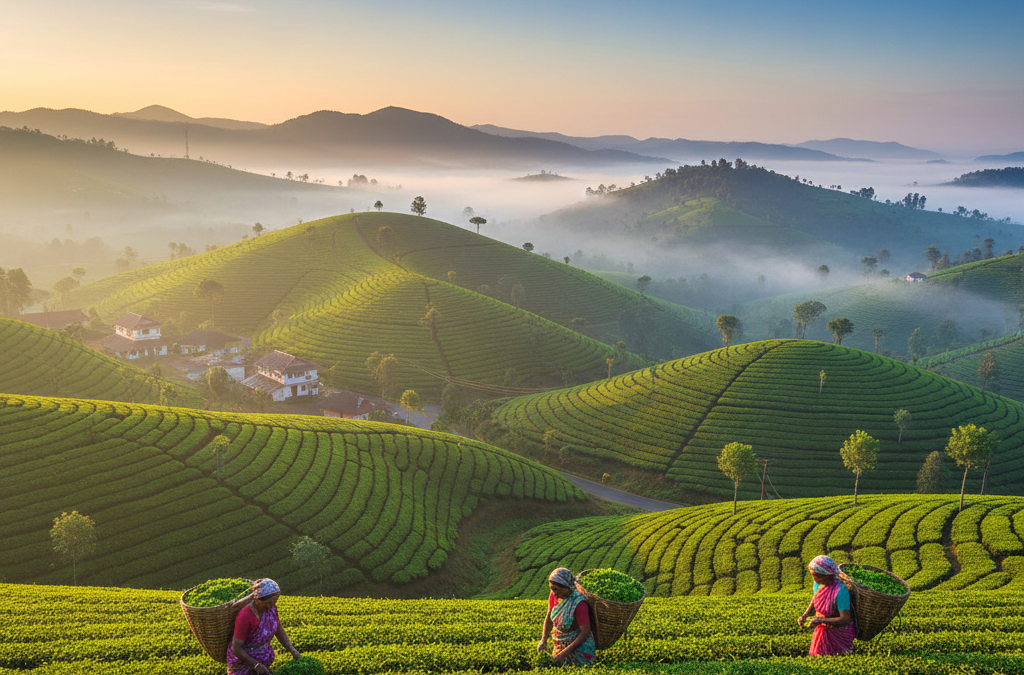
The strongest performing leisure destinations in India today are not the cheapest, the closest, or even the easiest to reach. They are the most visually distinctive. Travelers are choosing places that look extraordinary on screen because imagery now shapes intent long before price enters the conversation.
India’s most visually stunning hill stations are no longer niche products for adventure clients. They are high intent, high conversion destinations for mainstream leisure, honeymoon, remote work travel, and premium slow travel.
This matters for agencies because visual destinations shorten sales cycles, justify higher average booking values, and generate more organic referrals.
The real selling power of visual destinations
Ask any experienced consultant what converts faster than discounts and the answer is simple. A compelling image. Clients decide emotionally first and rationally later. Hill stations that deliver visual drama make the agent’s job easier because the destination itself does half the persuasion.
Anonymized agency data example
• A mid sized leisure agency introduced Ladakh itineraries into its portfolio and saw average trip value increase from 68,000 INR to 94,000 INR per traveler within one season.
• A boutique agency promoting Munnar photography stays achieved a 41 percent higher inquiry to booking conversion compared to generic Kerala packages.
• A corporate travel focused agency added Coorg weekend retreats for leadership teams and increased non flight revenue per client account by 27 percent year over year.
The destinations did not change. The framing did.
What makes a hill station visually irresistible
Not every hill destination sells equally well. The difference is not altitude. It is aesthetic clarity.
Landscape drama
Destinations that offer instantly recognizable landscapes perform best. Think snow framed monasteries, tea valley gradients, floating clouds, alpine lakes, and cliffside villages. These visuals feel rare and aspirational.
Light and seasonality
The most bookable hill stations are visually strong across multiple seasons. Mist in monsoon, golden valleys in winter, blossom seasons in spring. This creates year round content and selling opportunities.
Estimate based on social travel platform analysis
• Destinations with strong seasonal variation generate approximately 35 to 45 percent higher repeat engagement on visual platforms compared to visually flat destinations.
Architecture and culture in frame
The most powerful imagery combines nature with human scale. Monasteries in Ladakh, colonial cottages in Darjeeling, wooden homestays in Tawang, plantation bungalows in Coorg. This makes the image feel livable rather than postcard only.
India’s most visually stunning hill stations
Below are destinations that consistently perform well visually and commercially when positioned correctly.
Ladakh
Ladakh does not look like most of India. That is its strength. Stark mountains, turquoise lakes, white monasteries, and high altitude light create cinematic visuals.
Estimate
• Average 5 night leisure package value ranges between 55,000 to 1,10,000 INR per person excluding flights depending on season and comfort level.
• Peak booking windows are May to September with shoulder demand increasing in April and October.
What sells
• Pangong Lake sunrise stays
• Nubra Valley sand dunes with snow peaks
• Monastery circuits with slow travel pacing
Munnar
Munnar is one of the most photographable tea landscapes in Asia. Endless green geometry, morning mist, and soft light make it ideal for romantic and wellness travel.
Estimate
• Properties with valley view rooms price approximately 28 to 45 percent higher than town based hotels and still achieve stronger occupancy during peak months.
• Couples account for nearly 60 percent of leisure demand in most agency booking data.
What sells
• Tea estate stays
• Sunrise viewpoints
• Private plantation walks
Tawang
Tawang feels undiscovered to many Indian travelers and almost entirely undiscovered internationally. Snow dusted monasteries, pine forests, and remote village life create powerful imagery.
Estimate
• Less than 15 percent of northeast leisure travelers include Tawang in their first itinerary. Those who do show above average spend and longer stays.
• Average trip duration is 6 to 8 nights compared to 3 to 4 nights in more mainstream hill towns.
What sells
• Monastery stays
• Snow experiences without commercial crowds
• Cultural storytelling itineraries
Darjeeling
Darjeeling remains visually strong because it blends Himalayan backdrops with cultural depth. Toy trains, tea gardens, Kanchenjunga views, and heritage hotels offer layered storytelling.
Estimate
• Kanchenjunga visibility during October to November improves perceived satisfaction ratings by approximately 22 percent based on post trip client feedback collected by agencies.
• Heritage properties in Darjeeling achieve average daily rates 30 to 50 percent higher than modern midscale hotels.
What sells
• Sunrise at Tiger Hill
• Colonial era stays
• Tea tasting itineraries
Coorg
Coorg is not dramatic in altitude but powerful in atmosphere. Coffee estates, rain soaked forests, foggy mornings, and river light create immersive visuals.
Estimate
• Private villa and estate stays in Coorg price 40 to 70 percent higher than hotel rooms and often sell out on long weekends.
• Family and small group bookings dominate with average stay of 3 nights.
What sells
• Private pool villas in forest settings
• Plantation walks
• Slow mornings imagery
Auli
Auli is still underpositioned nationally despite offering some of the best mountain visuals in North India. Snow slopes, cable cars, and panoramic peaks deliver strong visual appeal.
Estimate
• Winter occupancy often exceeds 85 percent for limited inventory properties.
• Non winter months still struggle due to poor visual marketing despite strong landscape appeal.
What sells
• Ski season visuals
• Ropeway experiences
• Snow framed cabin stays
Shillong
Shillong works visually because of its combination of greenery, waterfalls, music culture, and urban charm. It feels different from typical Indian hill towns.
Estimate
• Shillong itineraries that include Dawki river and living root bridges see average trip values 25 percent higher than city only packages.
• Younger traveler segments show higher engagement for Meghalaya visuals than traditional hill stations.
What sells
• Crystal clear river imagery
• Waterfall trails
• Music and cafe culture
How travelers actually book scenic destinations
The booking journey for visually strong destinations follows a predictable pattern.
• Discovery through visuals on social platforms or curated articles
• Saving screenshots rather than comparing prices immediately
• Asking agents for exact experiences shown in imagery
• Accepting higher prices when the emotional payoff feels strong
Estimate based on client consultation data
• Clients exposed to strong destination visuals during the planning phase are approximately 30 percent less price sensitive compared to clients shopping purely by budget.
This is not about manipulation. It is about alignment. When expectations match reality visually, satisfaction scores increase and complaints decrease.
A quick comparison table for itinerary planning
| Destination | Best visual season | Ideal trip length | Typical traveler type | Visual strength |
|---|---|---|---|---|
| Ladakh | May to September | 6 to 9 nights | Adventure, photography, premium leisure | Extremely high |
| Munnar | August to March | 3 to 5 nights | Honeymoon, wellness, slow travel | Very high |
| Tawang | October to April | 6 to 8 nights | Explorers, culture focused travelers | Very high |
| Darjeeling | October to December | 3 to 5 nights | Heritage, couples, senior travelers | High |
| Coorg | June to February | 2 to 4 nights | Families, couples, corporate retreats | High |
| Auli | December to February | 3 to 5 nights | Snow seekers, domestic leisure | High |
| Shillong | March to June | 4 to 6 nights | Younger travelers, experience seekers | High |
This table is not about ranking. It is about positioning. Each destination becomes easier to sell when matched to the right traveler profile.
What this means for travel agencies
This is where visual strategy becomes commercial strategy.
• Curate itineraries around visual moments rather than generic sightseeing lists
• Lead with imagery during client conversations rather than starting with price
• Build seasonal campaigns that show the same destination in different moods
• Price confidently for visually premium experiences
• Use tools like Rebookify to protect margin when hotel prices drop after booking rather than discounting upfront
Anonymized agency example
A mid sized agency shifted from price led hill station marketing to experience led visuals and used Rebookify to recover margin when hotel rates softened. Over one quarter, their average gross margin per leisure booking increased by 18 percent without raising client prices.
The destination did the emotional work. The automation protected the financial outcome.
Quick takeaways
• Visually distinctive destinations convert faster than generic scenic ones
• Travelers accept higher prices when imagery aligns with aspiration
• Seasonal visuals create year round selling opportunities
• Positioning matters more than proximity
• Agencies who lead with experience storytelling see stronger margins
Common mistakes
• Selling hill stations as interchangeable weekend breaks
• Overpromising views without managing seasonal expectations
• Using stock imagery that does not match the actual client experience
• Focusing on discounts instead of emotional value
• Ignoring emerging visually powerful regions like northeast India
Conclusion
India’s most visually stunning hill stations are not just beautiful. They are commercially powerful when packaged thoughtfully. Agencies that understand how imagery influences traveler psychology will sell with less friction, protect margin more effectively, and build stronger long term client trust.
If your current hill station offerings feel commoditized, the problem is rarely the destination. It is usually the framing.
And when pricing fluctuates after booking, having systems in place that quietly optimize margin in the background makes those high value visual itineraries even more sustainable for your business.