January 3, 2026
Japan’s Setouchi Islands: Art, Cycling, Sea Views
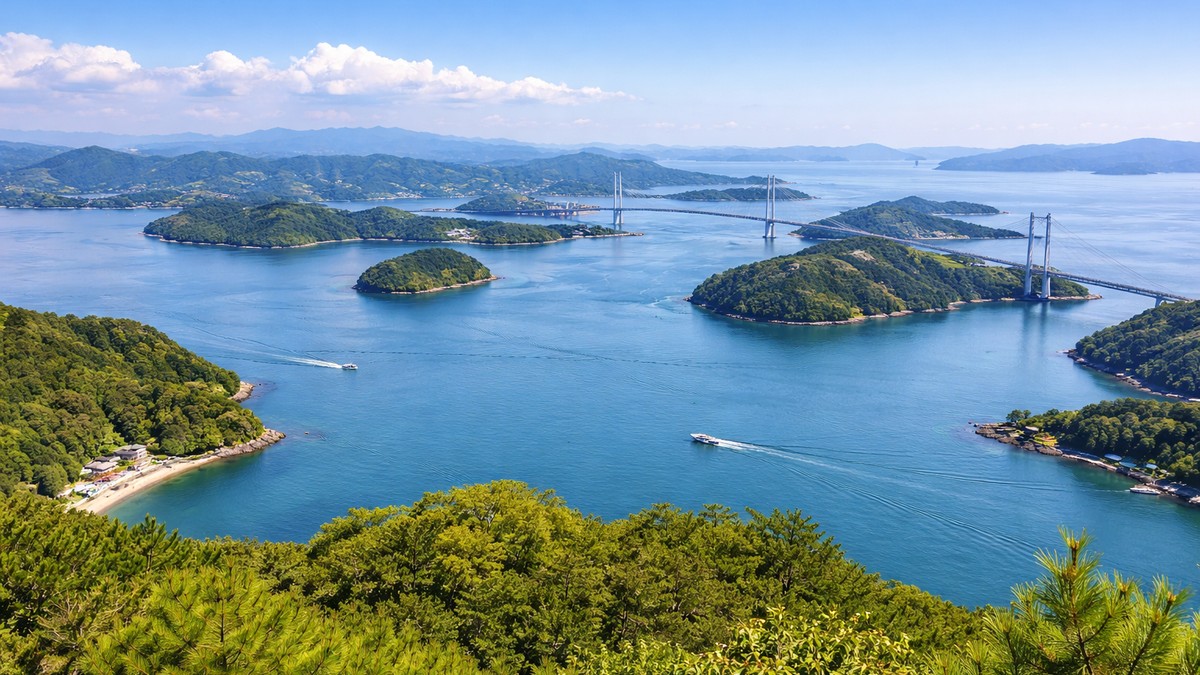
Thesis: Setouchi works because it treats art, movement, and landscape not as attractions—but as a system that rewards travelers who slow down.
Japan excels at efficiency. Setouchi does the opposite, intentionally. Spread across the Inland Sea between Honshu, Shikoku, and Kyushu, the Setouchi Islands offer something increasingly rare: a destination where time expands instead of compresses.
This is not Japan’s next hot city. It’s a carefully engineered cultural corridor where cycling paths replace transfers, museums replace signage, and the sea sets the pace.
The Non-Obvious Appeal of Setouchi
Setouchi’s success isn’t accidental. Many of its islands were facing depopulation and economic decline in the 1990s. Instead of chasing mass tourism, local governments and private partners invested in cultural anchors—architecture, contemporary art, and low-impact infrastructure.
The result is a destination that doesn’t feel curated for tourists, yet functions remarkably well for them.
Estimate: Visitor numbers across key islands increase by 30–40% during art festival years, without overwhelming local capacity.
How Art Became Infrastructure
Naoshima and the Museum-as-Map
Naoshima is often described as an “art island,” but that undersells it. Art here isn’t confined to galleries; it replaces traditional wayfinding.
Museums, outdoor installations, and architecture guide movement across the island. Travelers don’t rush from point to point—they drift.
Real-world example:
A couple spending two nights on Naoshima visited five major sites without taxis or private transport, logging under 10 km per day on foot and local buses—no planning fatigue, no schedule pressure.
Seasonal Festivals That Reshape Demand
The Setouchi Triennale, held every three years, spreads exhibitions across a dozen islands. Importantly, it staggers visitation.
Instead of one overwhelmed hub, demand disperses. Hotels sell out slowly, ferries scale incrementally, and travelers adjust routes naturally.
Cycling as the Connective Tissue
The Shimanami Kaido Route
The Shimanami Kaido is a 70 km cycling route connecting Honshu to Shikoku via a chain of islands. It’s one of the few long-distance cycling routes globally designed for casual riders.
Dedicated bike lanes. Gentle gradients. Frequent rest stops.
Estimate: Over 80% of riders complete only portions of the route, mixing ferries, short rides, and overnight stops.
Accessibility for Non-Serious Cyclists
This isn’t a Lycra-and-carbon-fiber destination. Electric bikes are common. Luggage transfer services reduce friction. Riders in their 50s and 60s outnumber hardcore cyclists.
Real-world example:
A group of four travelers aged 45–62 completed a three-island segment over two days, averaging 25 km/day, spending more time in cafés and guesthouses than on bikes.
The Economics of Slowness
Setouchi quietly solves a problem many destinations struggle with: how to increase per-visitor spend without increasing volume.
Longer stays. Fewer attractions per day. Higher engagement.
Estimate: Average nightly rates on Naoshima and nearby islands rise 15–20% during festival seasons, while occupancy remains stable rather than spiking chaotically.
Travelers don’t feel rushed—and they don’t feel nickel-and-dimed.
Who Setouchi Is (and Isn’t) For
This matters for advisors.
Setouchi is ideal for:
-
Culturally curious travelers
-
Cyclists who value scenery over speed
-
Repeat Japan visitors
-
Travelers burned out on megacities
Setouchi is not ideal for:
-
One-night stopovers
-
Travelers who expect constant nightlife
-
Those uncomfortable with ferries and transfers
Positioning it correctly prevents disappointment.
What This Means for Travel Agencies
Setouchi rewards thoughtful planning—and punishes shortcuts.
Actionable steps:
-
Sell Setouchi as a circuit, not a destination
-
Emphasize pacing, not highlights
-
Bundle ferries, bike rentals, and accommodations early
-
Monitor hotel prices post-booking—rates fluctuate meaningfully around festival dates
-
Use tools like Rebookify to capture savings when inventory softens after initial sell-outs
This is a destination where margins improve with precision.
Planning Setouchi Well
| Planning Element | Best Practice |
|---|---|
| Length of stay | 3–6 nights |
| Base islands | Naoshima + 1–2 others |
| Transport | Ferry + cycling |
| Luggage | Forward shipping |
| Season | Spring or fall |
Common Mistakes
-
Treating Setouchi as a day trip
-
Overpacking daily itineraries
-
Ignoring ferry schedules
-
Underestimating cycling time (or overestimating fitness)
-
Booking art festivals without lodging strategy
Quick Takeaways
-
Setouchi works because it slows travelers down
-
Art functions as navigation, not spectacle
-
Cycling connects experiences, not just islands
-
Longer stays drive better economics
-
Smart planning beats fast planning
Conclusion
Japan’s Setouchi Islands aren’t trying to impress everyone. That’s exactly why they work.
For travelers, they offer a rare balance of culture, movement, and calm. For travel agencies, they represent a destination where thoughtful planning, realistic pacing, and price monitoring translate directly into better outcomes.
And when hotel rates quietly shift—as they often do in Setouchi—having the right tools in place ensures nobody leaves value on the table.