March 23, 2026
Kuala Lumpur Between Tradition and Skyscrapers
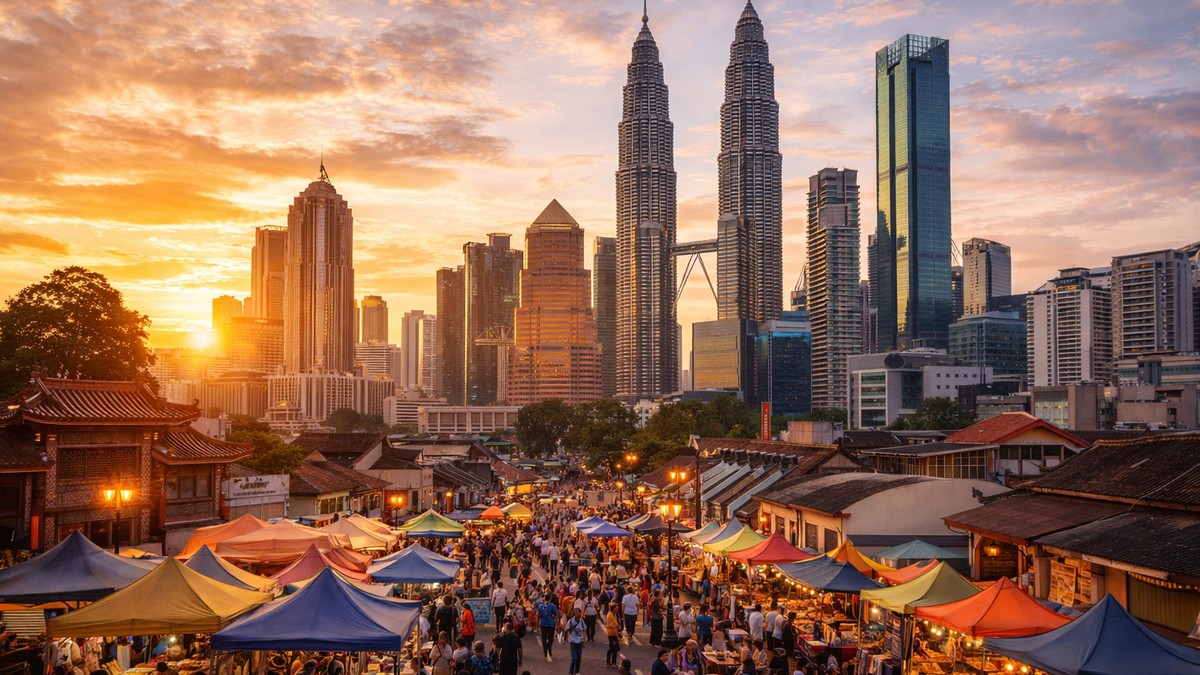
Kuala Lumpur works not because it chooses between old and new, but because it compresses both into a single highly efficient travel experience.
That is the real advantage behind Kuala Lumpur Between Tradition and Skyscrapers. Few cities deliver this level of contrast within such short distances. Travelers can move from colonial streets and traditional markets to glass towers and rooftop bars in under twenty minutes. For agencies, that density creates a rare combination of high perceived value and manageable cost.
Kuala Lumpur is not just a destination. It is a multiplier.
Why Kuala Lumpur works now
The city has quietly become one of the most efficient urban destinations in Asia.
Key drivers
- Strong air connectivity across Asia and the Middle East
- Competitive hotel pricing across all categories
- High quality infrastructure
Estimate
- Kuala Lumpur International Airport handles over 50 million passengers annually
- Average hotel rates are 20 to 30 percent lower than Singapore for comparable quality
This positions the city as both a primary destination and a strategic add on.
The dual identity that drives value
The appeal of Kuala Lumpur lies in its contrasts.
Cultural density
The city’s cultural mix is visible and accessible.
Experiences include
- Historic districts with colonial architecture
- Traditional markets and temples
- Diverse religious and cultural landmarks
Within a short radius, travelers can experience Malay, Chinese, and Indian influences.
Modern infrastructure
Kuala Lumpur is also a modern capital.
Strengths
- Efficient public transport
- High quality shopping and dining
- Iconic skyline anchored by landmark towers
Fact
- The Petronas Towers remain among the tallest twin towers in the world
The contrast enhances the experience rather than fragmenting it.
Price advantage
Cost efficiency is one of Kuala Lumpur’s strongest selling points.
Estimate
- Dining costs are often 30 to 50 percent lower than comparable global cities
- Premium hotels are available at mid range pricing levels
This allows travelers to upgrade experiences without increasing total spend.
Where travelers actually spend time
Understanding movement patterns is key to selling the city effectively.
Neighborhood contrasts
Different districts offer distinct experiences.
Examples
- Heritage areas with street markets and traditional shops
- Central business district with modern retail and dining
- Residential neighborhoods with local character
Travelers rarely stay in one zone. Movement is part of the appeal.
Food as experience
Food is central to Kuala Lumpur’s identity.
Highlights
- Street food markets
- Local restaurants with diverse cuisine
- High end dining options
Estimate
- Food related activities account for a significant portion of daily spend
This creates both value and engagement.
Short distance mobility
Distance is not a barrier in Kuala Lumpur.
Advantages
- Efficient ride hailing services
- Affordable transport costs
- Short travel times between key areas
Example
An agency tracked a three day itinerary
- Average travel time between activities was under 25 minutes
- Clients visited 7 to 9 locations without fatigue
The economics of Kuala Lumpur travel
Kuala Lumpur offers a strong cost to experience ratio.
Cost versus experience ratio
Travelers get more for the same budget.
Example
A four night Kuala Lumpur itinerary
- Total cost $950 including accommodation and activities
- Comparable Singapore itinerary cost $1,400
Result
- Higher perceived value
- More discretionary spending on experiences
Stopover and multi trip potential
Kuala Lumpur works well as a stopover.
Benefits
- Flexible routing through major airlines
- Short stay suitability
- High experience density
Example
An agency added a two night Kuala Lumpur stopover to long haul itineraries
- Increased booking value by $220
- Improved client satisfaction
Hotel pricing dynamics
The hotel market is competitive and dynamic.
Opportunities
- Frequent rate fluctuations
- Wide range of options
- Strong availability
Estimate
- Price changes of 8 to 15 percent are common within booking windows
Monitoring these changes creates opportunities for savings.
What this means for travel agencies
The value of Kuala Lumpur Between Tradition and Skyscrapers lies in how it is positioned.
Positioning Kuala Lumpur
Avoid generic city marketing.
Focus on contrast and efficiency.
Messaging examples
- Experience three cultures in one city
- Move from street markets to skyline views in minutes
Packaging strategies
Design itineraries that highlight contrast.
Best practices
- Combine cultural and modern experiences daily
- Include food focused activities
- Limit travel time between locations
| Package type | Duration | Key focus | Ideal client | Margin potential |
|---|---|---|---|---|
| City explorer | 3 nights | Cultural highlights | First time visitors | Medium |
| Urban mix | 4 nights | Culture and lifestyle | Couples | High |
| Premium stay | 4 to 5 nights | Luxury and experiences | High value clients | Very high |
Optimizing margins
Operational efficiency matters.
Approach
- Monitor hotel price changes
- Rebook when rates drop
- Use savings to enhance experience or margin
Even small adjustments can significantly impact profitability.
Quick takeaways
- Kuala Lumpur offers high experience density
- Cultural and modern contrasts drive appeal
- Cost advantage allows experience upgrades
- Ideal for short stays and stopovers
- Price optimization enhances margins
Common mistakes
- Treating Kuala Lumpur as a secondary destination
- Overloading itineraries without considering flow
- Ignoring food as a core experience
- Underestimating the value of central locations
- Missing hotel price fluctuations
- Failing to highlight the city’s contrast
Conclusion
The strength of Kuala Lumpur Between Tradition and Skyscrapers is not just in what the city offers, but in how efficiently it delivers it.
For travel agencies, this creates a clear opportunity
- Position the city as a high value experience
- Design itineraries that emphasize contrast
- Optimize pricing behind the scenes
Kuala Lumpur is not trying to compete with larger or more expensive cities. It wins by delivering more in less time and at lower cost.
That is exactly what modern travelers are looking for.