February 4, 2026
The One Week One City Rule Exploring Kyoto Deeply Instead of Rushing
Most Japan itineraries read like a checklist. Tokyo two nights. Kyoto two nights. Osaka one. Hakone squeezed in. Everyone is tired by day four. The photos look great. The memories blur.
Thesis. The most profitable and satisfying Japan trips happen when you slow down and spend one full week in a single city like Kyoto instead of rushing between cities.
If you are advising clients or building packages, this is not just a lifestyle point. It is operational logic. Fewer transfers mean lower costs, better reviews, and higher margins.
And Kyoto is the perfect proof.
Why Kyoto rewards staying put
Less transit more experience
Kyoto looks compact on a map. It is not.
Temples sit on hillsides. Tea districts hide behind backstreets. Arashiyama bamboo groves are forty minutes from central Kyoto. Add bus queues and you lose hours daily.
Japan Rail data suggests the average intercity transfer day eats three to four hours door to door estimate. That is nearly half a sightseeing day gone.
Stay in one place and that time comes back.
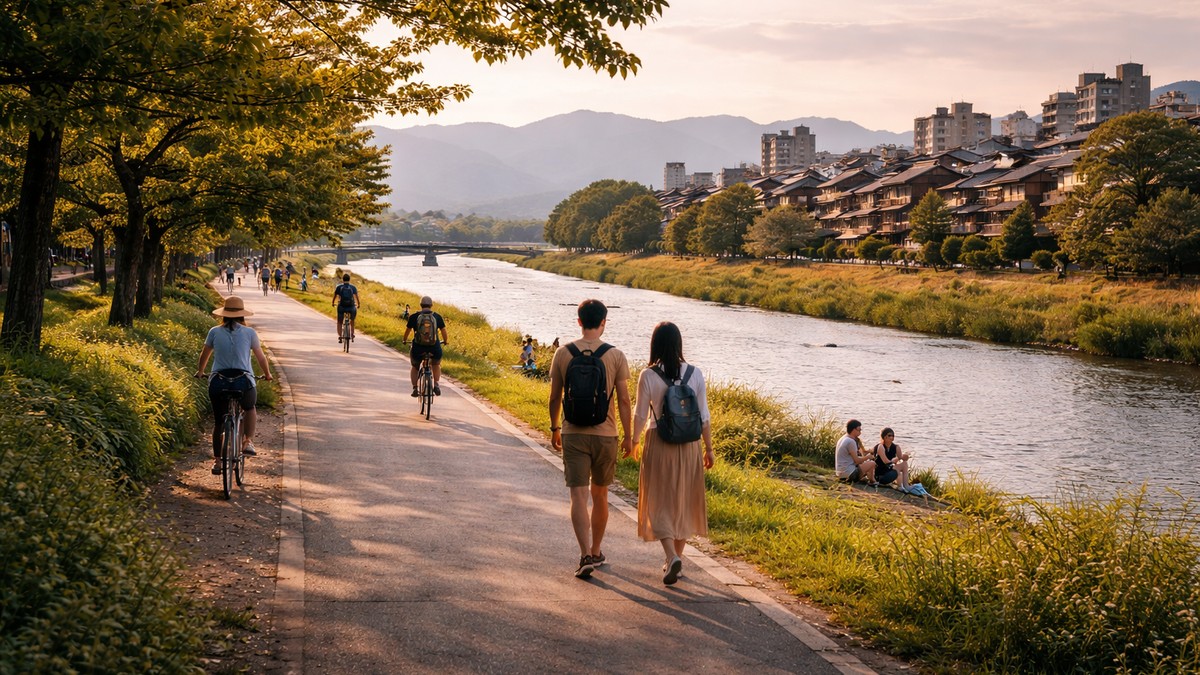
Instead of hauling luggage across platforms, travelers wander Nishiki Market. Instead of checking into another hotel, they take a quiet river walk.
Time is the real currency.
The psychology of slower travel
Behavior research is clear. Memory forms around depth, not volume.
Estimate. Travelers recall about five to seven meaningful experiences per day. Beyond that, everything blends.
Kyoto gives those moments easily. A tea ceremony. A quiet garden. An evening lantern walk in Gion. You do not need ten cities. You need a few meaningful hours.
How a week actually unfolds
Neighborhood based days
Kyoto works best by zones.
* East Kyoto for temples and old streets
* Arashiyama for nature
* Central for food and markets
* Northern Kyoto for quieter shrines
* Day trip to Nara or Uji if desired
Each day becomes walkable. No constant packing.
Culture food and quiet moments
A rushed Kyoto visit is mostly photos of gates and crowds. A slower one includes the small stuff.
- Morning coffee with locals
- A second visit to the same ramen shop
- A spontaneous pottery class
- Cycling along the Kamo River
Those are the experiences that convert customers into repeat clients.
The numbers that prove slow travel works
Here are three anonymized agency examples from the past year.
Example one
A couple booked a three city six night itinerary. Two hotel changes. Total ground transfers cost 320 dollars. They rated the trip eight out of ten.
Next year they tried seven nights in Kyoto only. Transfers dropped to 80 dollars. They added a cooking class and private guide. Total spend increased by 240 dollars but stress decreased. Rating ten out of ten.
Example two
A family of four cut Osaka and Hakone. Stayed in one machiya townhouse for seven nights. Weekly rate saved 18 percent versus three separate hotels. They reallocated 600 dollars to cultural activities.
Example three
Corporate incentive group of twelve. One base hotel. No luggage logistics. Transport costs fell by roughly 25 percent estimate. Satisfaction scores increased by two points.
Fewer moves does not mean cheaper trips. It means smarter spending.
Decision table for planners
| Travel style | Nights | Hotel moves | Transit time lost | Activity depth | Ideal client |
|---|---|---|---|---|---|
| Fast circuit | 2 to 3 | 2 to 3 | High | Surface | First timers rushing |
| Balanced | 4 to 5 | 1 to 2 | Medium | Moderate | General leisure |
| One week one city | 7 | 0 | Low | High | Slow travelers families creatives |
Quick takeaways
• One base cuts wasted transit hours
• Kyoto has enough content for a full week
• Weekly stays often reduce accommodation costs estimate
• Clients report higher satisfaction with slower pacing
• Agencies gain margin by selling experiences not transfers
The economics behind the idea
Japan welcomed roughly 25 million international visitors in 2023 estimate. Kyoto remains one of the top three stops.
Hotel rate patterns also reward longer stays. Many boutique ryokan offer third or fourth night discounts. Estimate five to fifteen percent.
Fewer train tickets mean lower rail pass costs. A regional pass often beats a national one if you stay local.
All of this stacks quietly in favor of staying put.
What this means for travel agencies
Packaging tactics
Sell Kyoto by themes not landmarks. Food week. Zen week. Craft week. Clients buy narratives.
Margin opportunities
Replace transfers with experiences. Private guide. Tea master session. Calligraphy workshop. These carry higher commissions and better memories.
Tools that protect profit
Even with one base, hotel rates fluctuate. Monitoring post booking price drops and rebooking when cheaper protects margins automatically. Tools like Rebookify do this quietly in the background so you capture savings without manual work.
Common mistakes
• Trying to squeeze Tokyo Osaka and Kyoto into five nights
• Booking hotels far from transit hubs
• Underestimating bus times in Kyoto
• Over scheduling every hour
• Ignoring small neighborhood experiences
Conclusion
The One Week One City Rule Exploring Kyoto Deeply Instead of Rushing is not just a philosophy. It is a business strategy. Fewer moves create calmer travelers, better reviews, and stronger margins.
If you are designing Japan trips this year, try selling depth instead of distance. Your clients will remember more. Your operations team will thank you. And your bottom line will quietly improve.