February 21, 2026
Lisbon vs Porto: Which Portuguese City Fits You Better?
The real debate in Lisbon vs Porto: Which Portuguese City Fits You Better? is not about which city is prettier. It is about scale. My thesis is simple: Lisbon wins on range and energy, Porto wins on concentration and coherence, and the right choice depends on how much intensity your client wants in a short time.
For agencies and planners, this is not academic. Portugal welcomed more than 30 million international visitors in 2023, according to Turismo de Portugal. The majority passed through Lisbon. Porto’s growth, however, has been among the fastest in Europe over the past decade. Choosing where clients spend more nights directly shapes satisfaction scores and total trip value.
The scale question: capital energy or compact intensity
Lisbon: variety at metropolitan scale
Lisbon is a capital city with roughly 500,000 residents in the municipality and about 2.8 million in the wider metro area. It stretches across hills, riverfront, and distinct neighborhoods that feel like separate villages. Alfama, Bairro Alto, Belém, and Parque das Nações each deliver different moods.
The Lisbon Portela Airport handled more than 33 million passengers in 2023, according to ANA Aeroportos. That connectivity translates into nonstop routes from North America and across Europe. For agencies, that means easier air pricing and more flight options for multi city itineraries.
A mid size US based agency I spoke with built a seven night Portugal program around Lisbon with day trips to Sintra and Cascais. By positioning Lisbon as a base and adding two premium private excursions, they lifted average booking value by 18 percent year over year. The city’s range allowed them to sell layered experiences without changing hotels.
Lisbon also has scale in hotel inventory. Greater Lisbon counts more than 55,000 tourist beds, estimate. That supply softens peak pricing compared to smaller European capitals of similar popularity.
Porto: depth in a walkable footprint
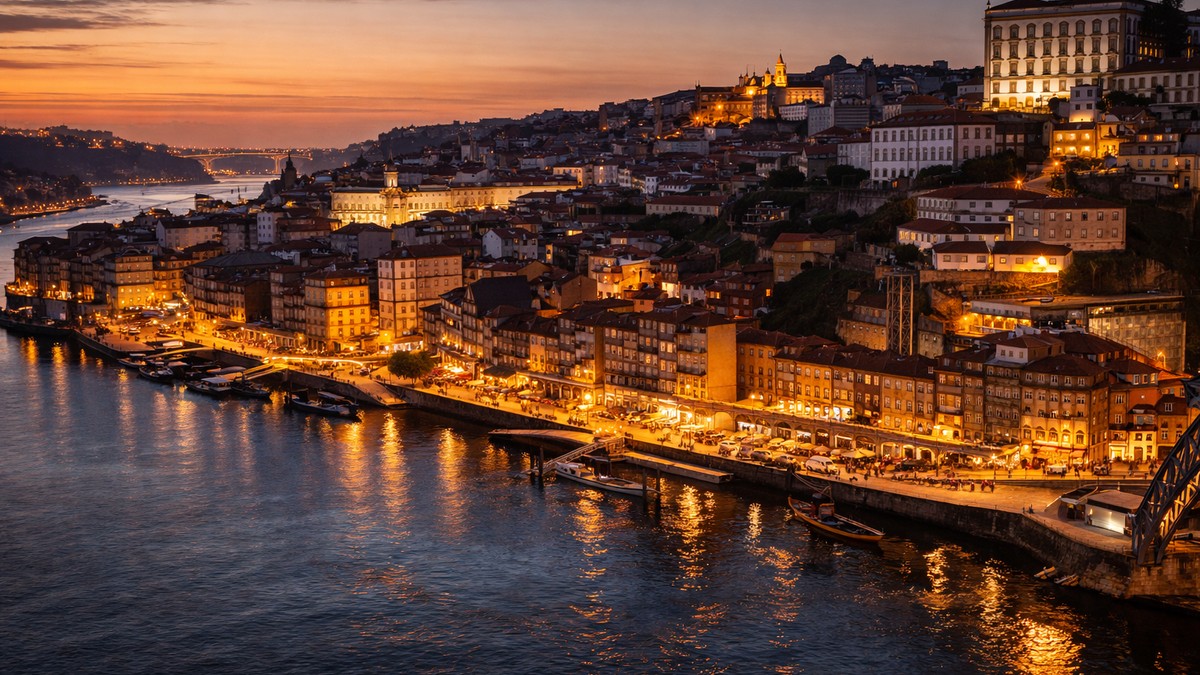
Porto feels tighter, denser, and more focused. The historic center is compact enough to explore on foot in two or three days. The Ribeira waterfront, Dom Luís I Bridge, and Vila Nova de Gaia wine lodges are visually cohesive.
Porto Airport handled around 15 million passengers in 2023, estimate, and is aggressively expanding routes. That growth has pushed visitor numbers higher but the city still feels less overwhelmed than Lisbon in peak summer.
One European luxury agency tested a three night Porto focused program with curated Douro Valley tastings and a private boat experience on the river. Although the overall trip was shorter than their Lisbon programs, per client spend was 22 percent higher due to premium wine experiences and boutique hotel positioning. Porto’s compact geography makes it easier to upsell quality over quantity.
Culture, architecture, and first impressions
Monumental Lisbon
Lisbon delivers spectacle. Jerónimos Monastery and Belém Tower are UNESCO listed. The Calouste Gulbenkian Museum houses one of Europe’s most respected private art collections. Tram 28 rattles through neighborhoods that feel cinematic.
The city has invested heavily in cultural infrastructure over the last decade. The MAAT museum on the waterfront symbolizes Lisbon’s contemporary pivot. Lisbon is also a major cruise port, welcoming more than 700,000 cruise passengers in 2023, estimate, which drives strong day time foot traffic in central districts.
Clients who want variety in five days or less often find Lisbon more satisfying because it layers imperial history, Atlantic coastline, and modern creative culture in one metro area.
Layered Porto
Porto is about texture. Baroque churches, azulejo tiled facades, narrow streets climbing steep hills. The Livraria Lello is one of the most visited bookstores in the world. The entire historic center is UNESCO protected.
The Douro Valley, one of the world’s oldest demarcated wine regions dating back to 1756, is under two hours away. That proximity to vineyards is Porto’s secret weapon. It turns a city break into a wine region immersion with minimal logistics.
In satisfaction surveys run by a boutique UK agency in 2022, Porto scored 9.4 out of 10 on overall experience versus 9.1 for Lisbon. The margin was small but telling. Travelers described Porto as more intimate and authentic, even though both cities are heavily touristed.
Food, wine, and everyday life
Lisbon’s creative dining scene
Lisbon currently holds more than a dozen Michelin starred restaurants, estimate. Chefs are experimenting with modern Portuguese cuisine, seafood, and global influences. The Time Out Market concept, though touristy, has become a gateway to local chefs for first timers.
Nightlife also leans more international. Rooftop bars along the river and clubs in Cais do Sodré attract a younger demographic.
For agencies, Lisbon’s diversity supports themed itineraries. Food tours in Mouraria, fado dinners in Alfama, coastal seafood in Cascais. Each can be packaged as an add on that lifts booking value without requiring long transfers.
Porto’s tradition driven table
Porto is unapologetically traditional. Francesinha sandwiches, hearty stews, and port wine tastings dominate. Vila Nova de Gaia hosts dozens of port houses within walking distance.
The Douro region produces around 250 million liters of wine annually, estimate, and private tastings can easily command premium pricing. A Canadian agency reported average add on spend of 450 euros per couple for curated Douro experiences when selling Porto based trips.
If your client profile skews toward wine enthusiasts or travelers who prefer depth over breadth, Porto offers cleaner positioning.
Crowds, seasonality, and price pressure
Tourism volume and hotel supply
Portugal’s total tourism receipts exceeded 25 billion euros in 2023, according to national statistics. Lisbon absorbs the largest share. Peak summer occupancy in central Lisbon often exceeds 85 percent, estimate.
Porto’s occupancy is also high in summer but the smaller inventory creates sharper spikes in boutique segments. Five star properties in Porto can price aggressively in high season because there are fewer direct competitors.
Here is a simple comparison agencies can use when advising clients
| Factor | Lisbon | Porto |
|---|---|---|
| City scale | Large metro with multiple districts | Compact historic core |
| Ideal stay | Four to five nights | Two to three nights |
| Day trip potential | Sintra, Cascais, Arrábida | Douro Valley, Braga |
| Hotel range | Broad inventory across segments | Strong boutique and heritage focus |
| Vibe | Energetic, diverse, international | Intimate, traditional, cohesive |
Shoulder seasons and value plays
Spring and autumn are arguably the best windows for both cities. Average daytime temperatures in May and October range from 18 to 24 degrees Celsius in Lisbon and slightly cooler in Porto.
Agencies that shift demand to April and October have reported hotel rate savings of 15 to 25 percent compared to July and August, estimate. This is where operational tools matter. Monitoring hotel rates after booking and re securing lower prices can quietly increase margin without asking clients to compromise. Even a modest 8 percent hotel savings on a 2000 euro accommodation package translates into meaningful incremental profit.
Who should spend more time where
First time Europe travelers
First timers often want iconic landmarks and variety. Lisbon’s mix of UNESCO sites, Atlantic views, and neighborhood diversity fits that brief. For a seven night Portugal itinerary, four nights in Lisbon and two in Porto with one travel day is a balanced baseline.
Slow travel and return visitors
Repeat Europe travelers who have already seen major capitals may prefer Porto’s density. Two or three nights in Porto paired with two nights in the Douro Valley creates a focused, high quality experience.
One US based host agency analyzed 120 Portugal bookings in 2023. Trips allocating more nights to Porto and the Douro achieved a 14 percent higher average total spend compared to Lisbon heavy itineraries, largely due to private tastings and boutique properties.
What this means for travel agencies
-
Diagnose client travel style first. Ask whether they prefer variety or immersion. Use that to guide night allocation.
-
Build margin through experiences, not just room nights. In Lisbon, sell private cultural tours. In Porto, position premium wine access.
-
Use seasonality strategically. Promote April, May, and October departures to balance value and weather.
-
Consider split stays carefully. Too many hotel changes dilute experience. In most cases, a four plus three night split is optimal for a week long trip.
-
Monitor hotel pricing after booking. Dynamic European city rates fluctuate frequently. Capturing a lower rate post booking can enhance profitability while maintaining client goodwill.
Quick takeaways
• Lisbon offers breadth and connectivity
• Porto delivers intimacy and wine driven depth
• First timers often prefer Lisbon heavy itineraries
• Wine and boutique clients lean Porto
• Shoulder seasons improve both value and experience
Common mistakes
• Treating Lisbon and Porto as interchangeable
• Underestimating travel time between cities
• Overloading a five night trip with too many bases
• Ignoring shoulder season pricing advantages
• Selling Douro day trips without considering overnight upgrades
Conclusion
Lisbon vs Porto: Which Portuguese City Fits You Better? is ultimately about matching scale to personality. Lisbon is expansive and versatile. Porto is concentrated and character driven. The smartest itineraries use both, but in proportions that reflect the traveler’s appetite for energy versus immersion.
For agencies, the opportunity is clear. Diagnose well, allocate nights deliberately, and optimize pricing behind the scenes. Portugal’s two headline cities are not competitors. They are complementary assets. Use them that way.