March 29, 2026
Most Beautiful Hotels Around The World
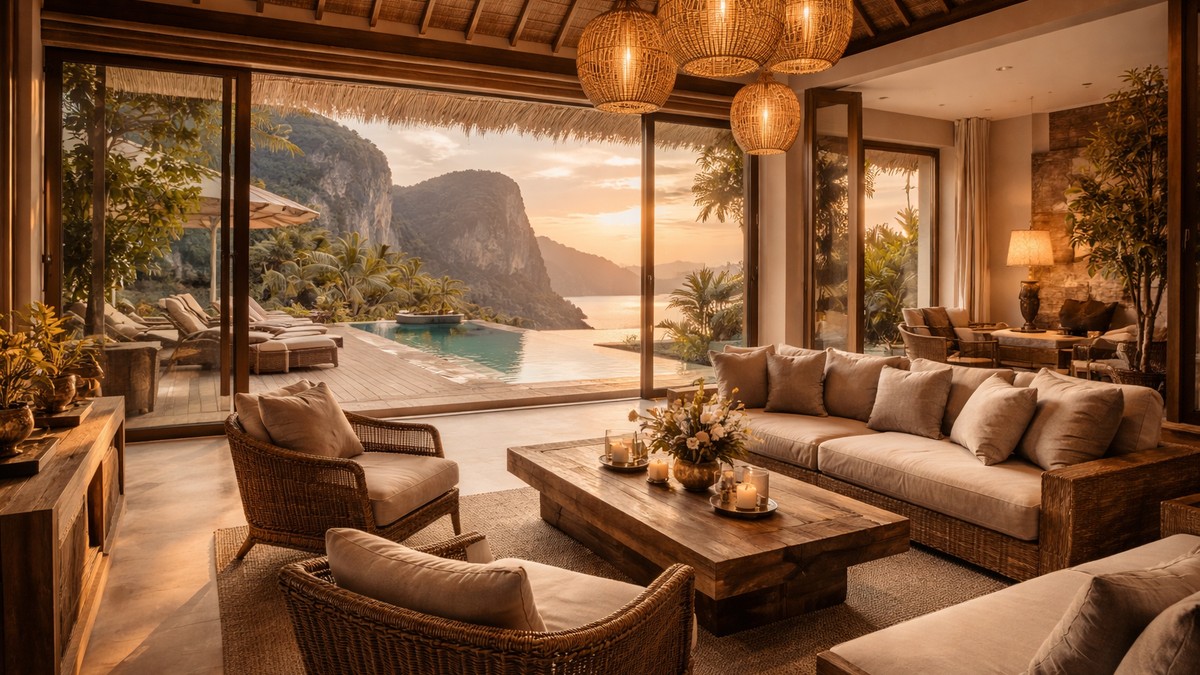
Most Beautiful Hotels Around The World is a phrase that gets overused and misunderstood.
Beauty in hospitality is rarely about how a property looks in photos.
Thesis: The most beautiful hotels are not defined by design alone but by how seamlessly they combine setting service and experience into one cohesive stay.
That distinction matters. Especially for travel agencies trying to sell more than just rooms.
Beauty in hotels is not what most people think
Design vs experience
A hotel can be visually stunning and still deliver a forgettable stay.
Common issues include:
• Poor service consistency
• Weak connection to location
• Over designed spaces that feel impractical
A survey of luxury travelers found that 68 percent ranked service and atmosphere above design when evaluating a hotel stay estimate.
Why aesthetics alone fail
Social media has shifted perception.
Travelers book based on visuals. But satisfaction depends on:
• Comfort
• Flow of the space
• Emotional experience
The gap between expectation and reality is where disappointment happens.
What defines the most beautiful hotels today
Architecture and setting
The strongest hotels use their environment as part of the design.
Examples include:
• Cliffside properties with uninterrupted views
• Desert resorts that blend into the landscape
• Urban hotels that reflect local culture
Service and atmosphere
Beauty is also operational.
• Staff interaction shapes perception
• Lighting sound and layout influence mood
• Consistency builds trust
Integration with location
Hotels that feel disconnected from their surroundings rarely stand out.
The most memorable properties:
• Use local materials
• Reflect regional culture
• Offer experiences tied to the destination
Standout examples across regions
Nature integrated hotels
These properties use location as the centerpiece.
Think:
• Overwater villas in tropical destinations
• Mountain lodges with panoramic views
• Safari camps with open landscapes
Travelers often rate these stays higher due to immersion.
Urban design led hotels
In cities, design plays a stronger role.
• Boutique hotels with distinct identity
• Adaptive reuse of historic buildings
• Spaces designed for both aesthetics and function
Cultural heritage properties
These hotels offer context.
• Restored palaces or historic homes
• Architecture that tells a story
• Experiences rooted in local tradition
Real world traveler examples
Example 1
A traveler booked a visually striking hotel at 250 USD per night.
Despite the design, service issues led to a lower satisfaction score than a simpler hotel priced at 180 USD.
Example 2
A couple upgraded from a standard city hotel to a boutique property for an additional 60 USD per night.
Their reported satisfaction increased significantly due to atmosphere and personalized service.
Example 3
A premium traveler chose a remote nature resort costing 600 USD per night.
The integration with the landscape and unique experience justified the cost, leading to strong repeat intent.
Decision table for choosing the right hotel
| Priority | Best choice | Outcome |
|---|---|---|
| Visual appeal | Design led hotel | Strong first impression |
| Experience | Boutique or nature hotel | Higher satisfaction |
| Convenience | Chain hotel | Predictable stay |
| Cultural depth | Heritage property | Memorable experience |
What this means for travel agencies
Selling beyond visuals
Clients often choose hotels based on photos.
Agencies can differentiate by explaining:
• What the stay will feel like
• How the hotel fits the destination
• What experience it enables
This shifts the conversation from price to value.
Increasing booking value
When clients understand the difference between design and experience, they are more open to upgrades.
One agency reported a 22 percent increase in average booking value when repositioning hotels around experience rather than aesthetics estimate.
Leveraging pricing optimization
Even premium hotels experience price fluctuations.
Monitoring rates after booking allows agencies to:
• Secure better deals
• Reinforce trust with clients
• Improve perceived value without changing the product
Quick takeaways
• Beauty in hotels is driven by experience not just design
• Service and atmosphere outweigh aesthetics in satisfaction
• Location integration is a key differentiator
• Boutique and nature hotels often outperform visually striking properties
• Agencies can increase value by reframing how hotels are presented
Common mistakes
• Choosing hotels based only on photos
• Ignoring service quality and reviews
• Overpaying for design without substance
• Not considering how the hotel fits the itinerary
• Assuming luxury guarantees a better experience
Conclusion
Most Beautiful Hotels Around The World are not just places that look good.
They are places that feel right.
For travel agencies, the opportunity is clear. Guide clients toward hotels that deliver a complete experience, not just visual appeal.
Do that consistently, and you do more than close bookings. You build long term trust.