April 4, 2026
Mountain Towns That Are Worth the Journey for Premium Itineraries
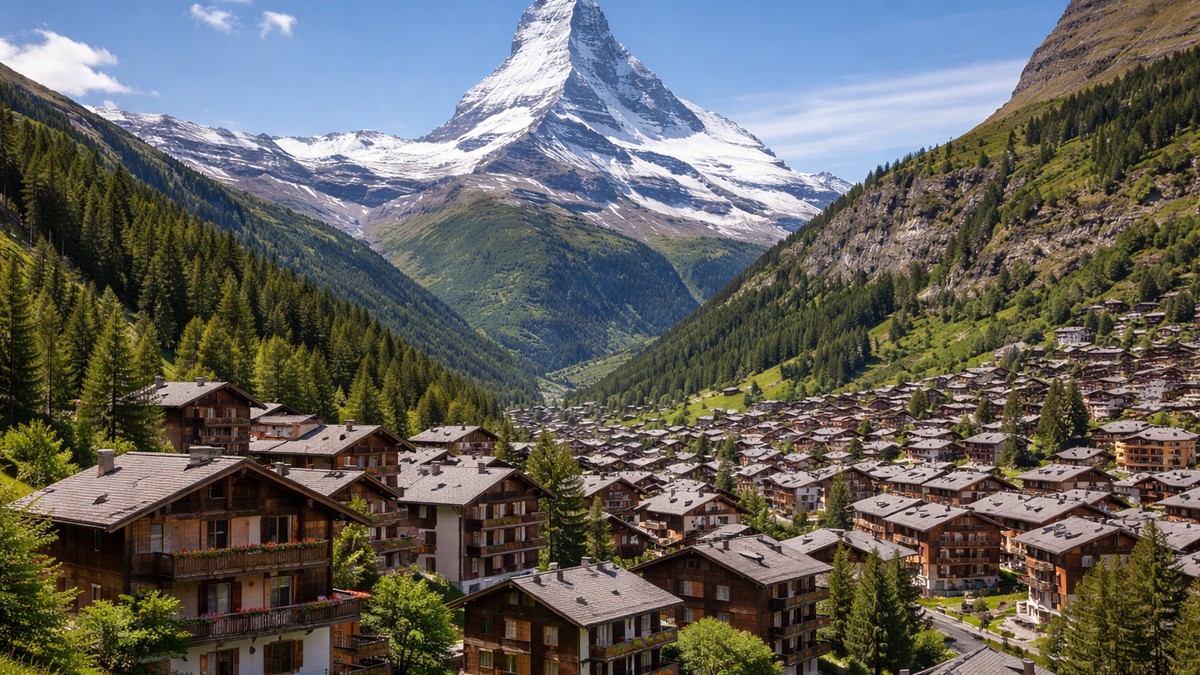
Mountain towns that are worth the journey succeed not despite their remoteness but because of it, turning travel friction into perceived exclusivity and higher margins.
Why remoteness drives value in mountain travel
Scarcity and perceived exclusivity
Remote mountain towns operate on a simple principle. The harder they are to reach, the more valuable they feel.
Clients do not just buy the destination. They buy the effort it takes to get there.
Fact:
Remote destinations typically see 15 to 25 percent higher average trip spend compared to easily accessible urban destinations, estimate.
This is not about luxury alone. It is about perceived uniqueness.
Travel friction as a pricing advantage
Long transfers, limited accommodation, and seasonal accessibility create natural constraints.
For agencies, these constraints are useful. They reduce price comparison behavior and increase acceptance of bundled pricing.
Example:
A European agency packaged a three night stay in a remote Alpine town with private transfers and guided experiences. Despite a 30 percent higher price than a city alternative, conversion remained steady because clients valued the exclusivity and convenience.
Friction, when managed correctly, becomes a selling point.
European alpine benchmarks
Zermatt and car free luxury
Zermatt is one of the clearest examples of premium mountain positioning. No cars, clean air, and direct views of the Matterhorn.
Fact:
Zermatt sits at an elevation of about 1600 meters and restricts private vehicle access, enhancing its exclusivity.
The experience begins before arrival. Clients take a train into the town, reinforcing the sense of entering a different world.
Example:
A Middle East based luxury agency reported that Zermatt itineraries generated 35 percent higher average booking value than other Swiss destinations due to premium hotels and guided alpine experiences.
Chamonix and adventure positioning
Chamonix offers a different angle. It is less about exclusivity and more about activity.
Fact:
Chamonix sits at the base of Mont Blanc, the highest peak in Western Europe at 4808 meters.
This makes it attractive to adventure focused travelers. Skiing, hiking, mountaineering.
For agencies, Chamonix is easier to scale than Zermatt because it offers a broader range of price points.
Asia’s high altitude appeal
Leh Ladakh and experiential travel
Leh is not an easy destination. High altitude, limited connectivity, and seasonal access define the experience.
Fact:
Leh sits at approximately 3500 meters above sea level, requiring acclimatization for most travelers.
This creates a strong sense of achievement for visitors.
Example:
An Indian travel operator designed a six day Ladakh itinerary with acclimatization planning and guided excursions. The package achieved a 25 percent higher margin than standard domestic tours due to limited competition and specialized logistics.
Hakone and proximity advantage
Hakone shows that remoteness does not always mean distance.
Located near Tokyo, Hakone offers a mountain experience within easy reach of a major city.
Fact:
Hakone is part of the Fuji Hakone Izu National Park and attracts millions of visitors annually, estimate.
This hybrid model allows agencies to upsell short mountain stays within broader itineraries.
The Americas and scenic scale
Aspen and premium domestic demand
Aspen is a case study in pricing confidence.
Fact:
Aspen consistently ranks among the most expensive ski destinations in North America, estimate.
The town combines skiing, luxury accommodation, and high end dining.
Example:
A US based agency bundled ski passes, luxury lodging, and private transfers in Aspen. The result was a 42 percent higher package price compared to other Colorado destinations, with strong demand among affluent clients.
Banff and national park appeal
Banff offers a more accessible but equally scenic alternative.
Fact:
Banff National Park is Canada’s oldest national park, established in 1885.
Banff works well for international travelers due to its iconic landscapes and well developed tourism infrastructure.
It balances accessibility with visual impact, making it ideal for mid to high range itineraries.
Experience design in mountain towns
Short stays vs immersive itineraries
Mountain towns work best in two formats.
- - Short stays as part of a broader trip
- Or immersive experiences focused entirely on the destination
The choice depends on client intent.
- - Short stays suit first time visitors.
- Immersive itineraries appeal to repeat travelers seeking depth.
Seasonality and yield management
Seasonality is sharper in mountain destinations than in cities.
Winter drives ski demand.
Summer attracts hikers and scenic travelers.
Fact:
Mountain destinations often see occupancy swings of up to 60 percent between peak and off peak seasons, estimate.
For agencies, this creates opportunities to shift demand and optimize pricing.
What this means for travel agencies
Actionable steps
- Embrace the journey
Do not hide long transfers. Package them as part of the experience with scenic routes and premium transport. - Bundle aggressively
Include accommodation, transfers, and activities in one price. This reduces comparison and increases perceived value. - Segment clearly
Luxury clients prefer exclusivity like Zermatt or Aspen. Mid market clients respond better to Banff or Chamonix. - Use seasonality strategically
Promote shoulder seasons where costs are lower but experiences remain strong. - Optimize margins after booking
Hotel prices in mountain towns fluctuate due to limited inventory. Tools like Rebookify help agencies capture lower rates post booking and improve profitability.
Quick takeaways
• Remoteness increases perceived value
• Travel friction can justify higher pricing
• Mountain towns work for both short and immersive trips
• Seasonality creates pricing opportunities
• Bundled experiences reduce price sensitivity
Common mistakes
• Treating remote destinations as difficult to sell
• Underpricing due to fear of higher costs
• Ignoring acclimatization needs in high altitude regions
• Overcomplicating itineraries with too many stops
• Failing to communicate the value of the journey
Decision table
| Traveler type | Best destination | Experience focus | Margin potential | Notes |
|---|---|---|---|---|
| Luxury traveler | Zermatt | Scenic exclusivity | High | Premium pricing |
| Adventure traveler | Chamonix | Outdoor activities | Medium high | Year round appeal |
| Cultural explorer | Leh | Unique landscapes | High | Niche demand |
| Scenic traveler | Banff | Natural beauty | Medium high | Broad appeal |
Conclusion
Mountain towns that are worth the journey are not just destinations. They are experiences shaped by effort, scarcity, and landscape. For agencies, they offer a clear advantage. Higher perceived value, stronger pricing power, and differentiated itineraries.
The key is simple. Do not minimize the journey. Turn it into the reason clients book.